
Flowers
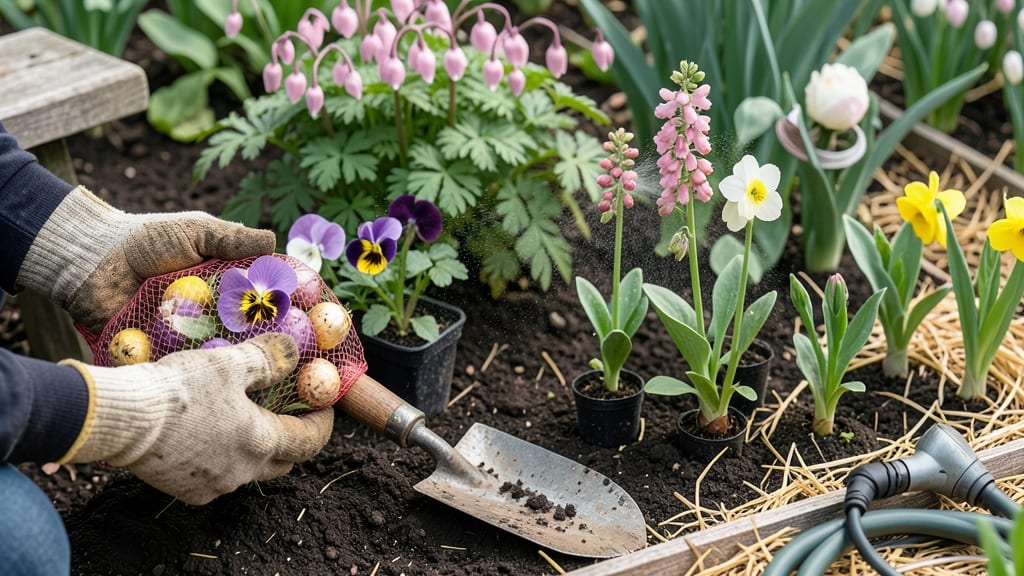
Planting your 🌸 flowers at the wrong time in New Jersey could mean watching them wither before they even bloom—especially with the state's unpredictable frost dates that shift from county to county.
Whether you're in coastal Ocean County or inland Sussex, getting the timing right is the secret to a garden that bursts with color from spring to fall.
I’ve spent years tracking NJ’s last frost dates, and what I’ve learned is that a two-week window can make or break your flower beds.
From early spring pansies to late-summer cosmos, knowing when to start seeds indoors versus transplanting outdoors is the difference between a thriving garden and a sad, frost-killed disappointment.
In this guide, I’ll break down the exact planting schedule for your county, including cold-hardy varieties that can handle NJ’s 6a-7b zones and tips for extending your growing season. No more guessing—just science-backed timing to ensure your flowers bloom when they’re supposed to.
Ready to transform your garden into a year-round showstopper? Let’s dive into the perfect planting calendar for every NJ gardener, no matter where you live in the state.
NJ county-by-county flower planting calendar based on last frost dates
New Jersey’s diverse microclimates create unique planting windows—coastal areas like Cape May often see frost-free conditions 2-3 weeks earlier than inland counties like Sussex. Understanding your last frost date (typically mid-April for most of NJ) ensures your annuals and perennials thrive without frost damage.
Below, I’ve broken down planting timelines by county, accounting for USDA zones 6a-7a and local variations.
For annual flowers, aim to plant 2-4 weeks after your county’s average last frost date. Perennials can often be planted in early spring or fall, with fall plantings offering established root growth before winter.
Always check local frost data (like Rutgers NJAES frost maps) for real-time adjustments—especially in transition zones like Morris or Burlington counties.
📅 Key Dates to Remember:
- Early Spring (March-April): Harden off tender perennials (e.g., daylilies) and start cool-season annuals (e.g., pansies).
- Late Spring (May-June): Plant heat-loving annuals (e.g., marigolds, petunias) after soil temps reach 60°F.
- Fall (September-October): Sow bulbs (e.g., tulips) and winter-hardy annuals (e.g., calendula) 6-8 weeks before first frost.
🌿 Why County Matters:
- Coastal counties (e.g., Monmouth, Ocean) have warmer winters and later frosts—ideal for extended blooms.
- Inland valleys (e.g., Warren, Sussex) experience colder nights, requiring earlier starts for frost-sensitive plants.
- Urban heat islands (e.g., Essex, Hudson) may delay frost by 1-2 weeks compared to rural areas.
| County | Avg Last Frost | Early Spring Planting (Mar-Apr) | Late Spring Planting (May-Jun) | Fall Planting (Sep-Oct) | ||||||||||||||||||
|---|---|---|---|---|---|---|---|---|---|---|---|---|---|---|---|---|---|---|---|---|---|---|
| Atlantic, Cape May | April 15 | Pansies, Snapdragons, Sweet Alyssum | Marigolds, Petunias, Zinnias | Calendula, Stock, Pansies | ||||||||||||||||||
| Bergen, Hudson, Essex | April 10 | Violas, Sweet Peas, Dianthus | Geraniums, Cosmos, Sunflowers | Asters, Chrysanthemums, Pansies | ||||||||||||||||||
| Burlington, Mercer, Ocean | April 5 | Lobelia, Primroses, Stock | Impatiens, Begonias, Vinca | Sweet William, Snapdragons, Calendula | ||||||||||||||||||
| Camden, Gloucester | April 8 | Sweet Alyssum, Dianthus, Pansies | Zinnias, Marigolds, Petunias | Stock, Calendula, Chrysanthemums | ||||||||||||||||||
| Morris, Somerset, Union | April 3 | Violas, Sweet Peas, Primroses | Geraniums, Cosmos, Sunflowers | Asters, Pansies, Snapdragons | ||||||||||||||||||
| Sussex, Warren | March 30 | Pansies, Sweet Alyssum, Stock | Marigolds, Petunias, Zinnias | Calendula, Chrysanthemums, Pansies
How to adjust planting times for NJ’s coastal vs. inland microclimatesNew Jersey’s coastal areas like Ocean County experience milder winters and warmer springs compared to inland valleys such as Warren County. These microclimate differences can shift your planting schedule by 2-3 weeks, making all the difference for heat-sensitive flowers like petunias or cold-hardy varieties like pansies. If you’ve ever planted too early and lost seedlings to frost—or waited too long and missed peak blooms—this guide is for you. Coastal regions benefit from moderating ocean breezes that delay frost, while inland areas face colder nights and hotter days. For example, Jersey City’s last frost date averages April 15th, while Sussex County’s can linger until May 1st. Understanding these patterns lets you time plantings precisely for maximum success, whether you’re sowing marigolds or black-eyed Susans. Comparison Table: Coastal vs. Inland Planting Adjustments
For coastal gardeners, start heat-loving annuals like cosmos and zinnias 4-6 weeks before your last frost date. These varieties thrive in warmer soil and can handle slightly earlier plantings without risking frost damage. I’ve found that Ocean County gardeners can even direct-sow marigolds as early as March 20th with row covers for added protection. Inland areas, however, should prioritize cold-hardy perennials like coneflowers or black-eyed Susans, which tolerate cooler soils and late frosts. If you’re in Sussex County, wait until after May 1st to plant tender annuals like petunias or geraniums. A trick I swear by? Mulching with straw 2-3 inches deep to insulate soil and extend the growing season by 2-3 weeks. Don’t let NJ’s microclimate quirks throw off your planting schedule. By adjusting for coastal warmth or inland chill, you’ll ensure your flowers bloom on time—no frost-related surprises included. Start with the right varieties, time your plantings, and watch your garden flourish from spring to fall. |