
Flowers
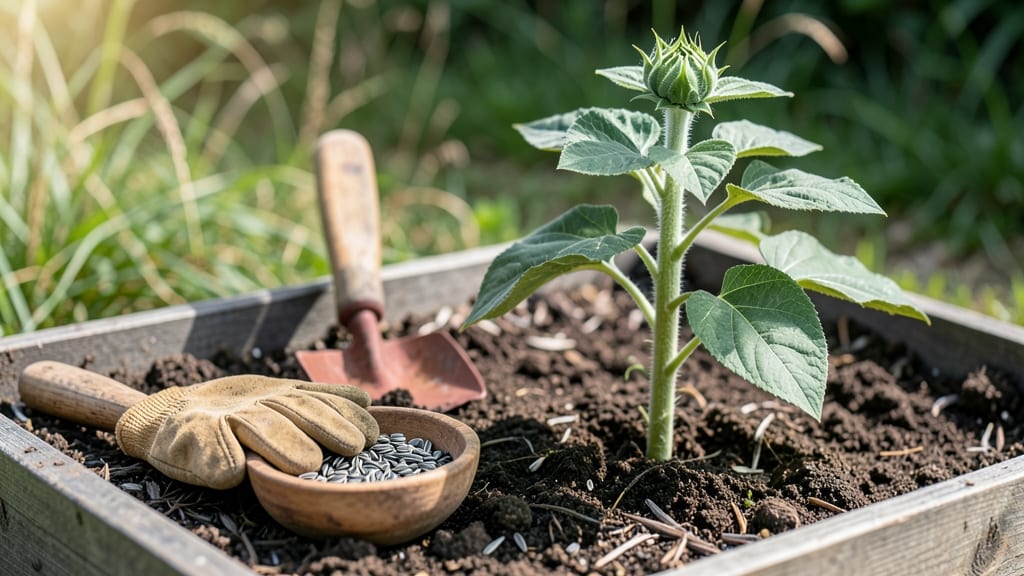
Planting sunflowers in Georgia at the wrong time can mean the difference between towering 🌻 giants and sad, stunted blooms—especially when spring frost lingers in the mountains or coastal humidity delays germination.
With USDA zones 7a-8b offering a 220-day frost-free window, timing isn’t just important—it’s your secret weapon for zero-frost success.
Most gardeners in Georgia (GA) rush to plant too early, only to watch their seedlings wilt when late-March frosts sneak in. The sweet spot? Wait until soil warms to 55°F—typically mid-April in Atlanta or early May near Savannah—when the last frost date has passed.
But here’s the catch: inland areas like Macon can afford an earlier start, while coastal zones should hold off until May to avoid soggy soil.
This guide breaks down exact planting windows by microclimate, plus how to pick heat-tolerant varieties like 'Autumn Beauty' that thrive in Georgia’s summer heat. I’ll also share my 5-step frost-proofing checklist to outsmart unpredictable spring weather—so you can go from nervous newbie to sunflower pro in no time.
Ready to grow sunflowers that reach for the sky? Let’s dive into the dates, soil prep, and variety tricks that’ll make your Georgia garden the talk of the neighborhood.
Georgia’s sunflower planting zones: exact dates by microclimate
Georgia’s diverse climate—from the humid coastal plains to the cooler Appalachian mountains—means sunflower planting times vary wildly. In USDA zones 7a-8b, timing is everything to avoid frost damage or heat stress.
I’ll break down the exact frost-free windows for Atlanta, Savannah, and the mountains, plus the best varieties for each microclimate.
Sunflowers thrive in Georgia’s heat, but they’re frost-sensitive seedlings. The last average frost date shifts from mid-March in Savannah to late April in the mountains.
Planting too early risks blackened leaves, while waiting too long cuts your harvest window. Let’s pinpoint the ideal planting dates for your region.
🌱
For coastal Georgia (Savannah), where the climate is milder, you can start direct sowing as early as March 20. The humidity and warmth let seeds germinate quickly, but watch for southern blight if soil stays too wet.
Varieties like 'Moulin Rouge' thrive here, producing deep red blooms that last into October.
'Autumn Beauty' is my top pick for coastal areas—it handles heat and humidity while extending your harvest window until first frost. In Atlanta’s Piedmont region, wait until April 15 for direct sowing to avoid late-spring frosts. The drier air here suits 'ProCut' varieties, perfect for long-stemmed bouquets.
Mountain gardeners in zone 7a face the latest frost risks—hold off until May 1 for direct sowing. 'Russian Giant' varieties reward patience with 12-foot stalks, but they need well-drained soil to prevent root rot in the cooler, wetter conditions.
I’ve seen blackened stems when planting too early in Dahlonega or Blue Ridge.
🌻
Don’t forget about succession planting! For a continuous harvest, sow another batch in early July. This works best in coastal zones where summer heat arrives earlier. Use heat-tolerant varieties like 'Evening Sun', which blooms in 85°F+ temperatures that would stress other types.
Pro tip: Check soil temperature with a soil thermometer—sunflower seeds need 55°F+ soil to germinate. In Atlanta’s clay soil, I’ve found that adding compost raises temperatures faster than bare ground. For container growing, use black pots to absorb heat and speed up germination.
☀️
How to adjust planting for Georgia’s unpredictable spring weather
Georgia’s spring weather is famously fickle—one day it’s 75°F and sunny, the next it’s 35°F with frost warnings. For sunflowers, this unpredictability means the difference between 12-foot giants and sad, leggy plants. The key? Adjusting your planting strategy based on soil temperature, microclimate, and frost-proofing techniques.
I’ve learned the hard way that rushing seeds into cold soil or ignoring local frost patterns can turn your dream garden into a science experiment gone wrong.
Here’s the secret: Wait for soil to warm to 55°F—this usually aligns with the last frost date in your area, but not always. In the Piedmont region (like Athens or Macon), this might be mid-April, while coastal areas like Savannah should hold off until early May.
The goal? Give your sunflowers a frost-free growing season of at least 90 days to reach maturity. Without this, you’ll end up with stunted plants or worse—frost-killed seedlings.
- 1 Test soil temperature with a soil thermometer—plant only when it hits 55°F+ for 5+ days. Cold soil delays germination and invites rot.
- 2 Use row covers if planting early in Zone 7a (mountains). A lightweight frost blanket adds 4-6°F protection and can buy you 2-3 extra weeks of growth.
- 3 Choose late-maturing varieties like 'Autumn Beauty' (120 days) for coastal areas. These handle Georgia’s humidity and heat better than early bloomers.
- 4 Plant in raised beds if your soil stays soggy (common in coastal GA). Raised beds warm up faster and drain better, reducing damping-off disease risks.
- 5 Stagger plantings every 2 weeks from April to June. This ensures a continuous bloom and extends your harvest window by up to 30 days.
Don’t overlook microclimate adjustments. A spot near your house or fence can be 5-10°F warmer than the rest of your yard due to heat absorption. Use this to your advantage by planting heat-loving varieties like 'Moulin Rouge' in these warmer pockets.
Conversely, if you’re in the Appalachian foothills, prioritize cold-hardy varieties like 'Russian Giant' and plant them closer to south-facing walls for extra warmth.
For late bloomers, extend the season with a cold frame or mini greenhouse. These can add 2-4 weeks to your growing season, letting you plant second crops in early July. Just be sure to ventilate daily to prevent overheating—Georgia summers are no joke!
My go-to trick is using clear plastic domes over individual plants; they’re cheap, reusable, and work wonders for seedling protection.
Finally, avoid these common Georgia mistakes: planting too early in Zone 7a (before April 15) or too late in coastal areas (after May 15). Both can lead to poor germination or pests taking over.
Instead, use the 5-step checklist above and monitor your local Almanac frost dates. With these adjustments, your sunflowers will reach for the sky—not just survive, but thrive in Georgia’s wild weather.