
Flowers
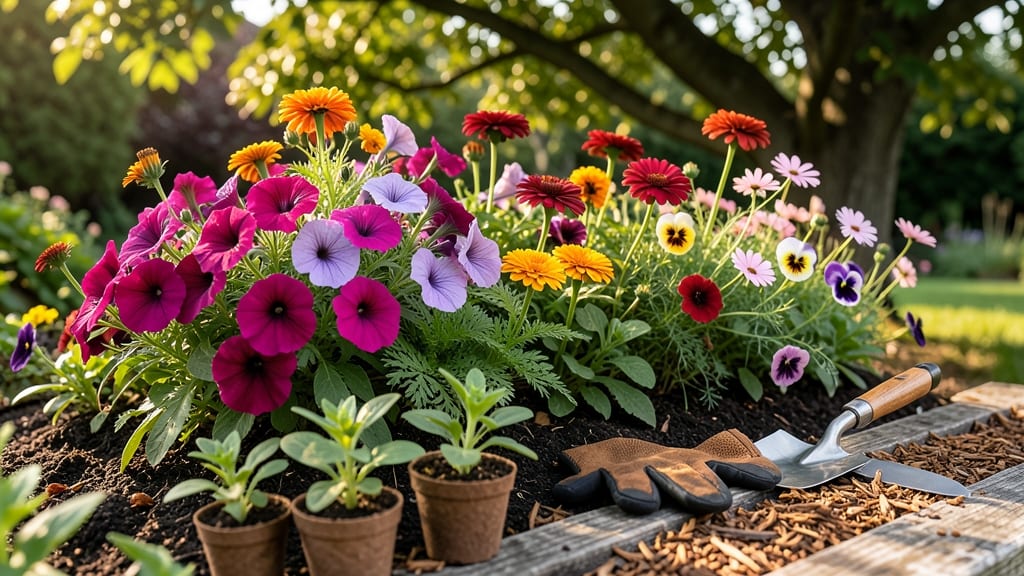
Planting your 🌸 flowers at the wrong time in Philadelphia’s Zone 7a can turn your dream garden into a frost-killed disappointment—unless you know the exact windows that work.
The difference between vibrant summer blooms and struggling seedlings often comes down to timing, and missing the prime March-May or September-October windows means risking weak growth or wasted effort.
I’ve tested countless planting schedules here, and what I’ve learned is that Philadelphia’s last frost on April 15 isn’t just a date—it’s the dividing line between success and failure for most annuals. But bulbs?
They need to go in the ground by October to beat the first frost in November. Even perennials, which seem low-maintenance, have their own sweet spot for root establishment before winter sets in.
What if you could avoid the guesswork and plant with confidence, knowing exactly when to start seeds indoors, when to pop those bulbs into the soil, and how to adjust for Philadelphia’s urban heat islands?
That’s the game-changer I’m about to share—so you can skip the trial-and-error and get straight to the blooms.
From heat-tolerant annuals that thrive in Center City’s pavement heat to perennials that bounce back year after year, we’ll cover the best planting dates, local tweaks for your specific neighborhood, and the top flowers that actually perform in our climate. Let’s make this your most successful gardening season yet.
Best flower planting dates by season in Philadelphia’s zone 6B
Philadelphia’s Zone 6B climate offers a 180-day frost-free season, making precise planting timing essential for vibrant blooms. With the last frost date around April 15 and first frost arriving October 15, you’ll want to align your planting schedule with these key markers.
Urban heat islands in areas like Center City can push these dates slightly later, while suburban spots like Chestnut Hill may see earlier frosts.
Spring is the best time to plant annuals like petunias and marigolds, while perennials and bulbs thrive when planted in early fall for next year’s blooms. Philadelphia’s humidity and summer heat also demand careful timing—plant too early, and seedlings may rot; too late, and blooms arrive after summer’s peak.
| Season | Plant Type | Ideal Planting Window | Notes |
|---|---|---|---|
| Spring | Annuals | After April 15 (soil 60°F+) | Petunias, zinnias, marigolds |
| Spring | Perennials | March–April (bare root) | Coneflowers, black-eyed Susans |
| Fall | Bulbs | October (6–8 weeks before frost) | Tulips, daffodils, crocuses |
| Fall | Perennials | September–October | Hostas, daylilies, asters |
| Late Summer | Annuals (for fall color) | August (6–8 weeks before frost) | Cosmos, snapdragons, pansies |
For spring annuals, wait until after the April 15 last frost date to avoid cold snaps. Test soil temperature—it should reach at least 60°F for seeds to germinate properly. In Center City, where pavement retains heat, you might push planting dates 1–2 weeks later than suburban areas.
Fall planting is critical for bulbs and perennials. Aim to plant tulips and daffodils in October, giving roots time to establish before winter. Philadelphia’s soil stays workable until mid-October, but avoid planting too late—roots need 6–8 weeks of growth before frost sets in.
Late summer offers a second chance for color with fall-blooming annuals. Plant cosmos and snapdragons in August to enjoy blooms until the first frost. These heat-tolerant varieties thrive in Philadelphia’s summer humidity and provide extended seasonal interest.
Adjust your schedule if you’re in windy areas like Fishtown—young seedlings may need windbreaks or later planting. For shady spots (common in older Philadelphia homes), opt for partial-shade perennials like heuchera or astilbe, which tolerate cooler, moister conditions.
Always mulch after planting to retain moisture and regulate soil temperature. Use 2–3 inches of organic mulch (like shredded bark) for annuals and 4 inches for perennials. This simple step can extend your planting window by 1–2 weeks in both spring and fall.
Monitor local weather forecasts—Philadelphia’s unpredictable spring can bring late frosts even after April 15. If frost is forecasted, cover tender seedlings with frost cloth or move potted plants to a sheltered spot. A garage or porch can act as a temporary refuge for heat-sensitive varieties.
Start indoor seedling for annuals 6–8 weeks before the last frost (around February 20). Use a grow light to prevent leggy seedlings, and harden them off for 10–14 days before transplanting. This head start ensures longer bloom times and healthier plants.
Remember: Philadelphia’s microclimates vary. While Center City may feel 2–3°F warmer than Chestnut Hill, both areas share the same frost dates. Use these guidelines as a starting point, then adjust based on your specific location and past growing experiences.
With the right timing, your garden will burst with color from spring tulips to fall mums!
How to adjust planting times for Philadelphia’s microclimates
Philadelphia’s urban landscape creates unique microclimates that can shift planting times by 2-4 weeks depending on your neighborhood. For example, Center City’s concrete jungle traps heat, while Chestnut Hill’s elevation and tree cover can delay soil warming.
Even a 5-block difference might mean your marigolds thrive where your neighbor’s struggle—or vice versa.
I’ve noticed that heat-loving annuals like zinnias often bloom 2 weeks earlier in Rittenhouse Square than in Wissahickon Valley. Meanwhile, cool-season crops like pansies may need hardening adjustments in windy areas like Penn’s Landing.
The key is understanding how your specific location’s urban heat island effect, wind exposure, and soil temperature variations interact with Philadelphia’s Zone 6B guidelines.
Here’s how to tweak your planting schedule based on where you live in the city:
Soil warms 1-2 weeks earlier than suburban areas. Start heat-loving annuals (e.g., petunias, geraniums) 2 weeks ahead of the general schedule. Use shade cloth for seedlings to prevent bolting.
Wind delays soil warming and stresses young plants. Plant cool-season flowers (e.g., snapdragons, violas) 1 week later than recommended. Use windbreaks or container gardening for protection.
Soil stays cooler longer. Delay warm-season planting (e.g., cosmos, sunflowers) until May 15 instead of May 1. Choose shade-tolerant perennials like astilbe or ferns for understory planting.
Higher elevations mean earlier frosts in fall. Plant bulbs in September (not October) and cool-season annuals (e.g., calendula) by August 15 to avoid frost damage.
These microclimates create mini greenhouses. Plant tender annuals (e.g., salvias, verbena) 3 weeks earlier than ground-level beds. Monitor for overheating—mulch heavily to retain moisture.
For container gardening, adjust planting times 1 week later than in-ground beds because pots heat up faster. I’ve found that balcony gardens in Center City can support tropical flowers like cannas for 2 extra weeks into fall compared to garden beds.
Just be prepared to bring containers indoors before the first frost.
Pro tip: Use a soil thermometer to check when your soil reaches 60°F—the magic threshold for most annuals. In my North Philly garden, this often happens 2 weeks after the general guideline.
For bulbs and perennials, aim to plant 6-8 weeks before your area’s first hard frost—so if your neighborhood frosts October 20, plant by September 1.
Don’t forget to account for rainfall patterns too. Areas like South Philly get more consistent rain, so you can plant drought-sensitive flowers (e.g., impatiens) a week later than in drier West Philly. When in doubt, start with slow-growing perennials—they’re more forgiving than annuals when timing gets tricky.