
Flowers
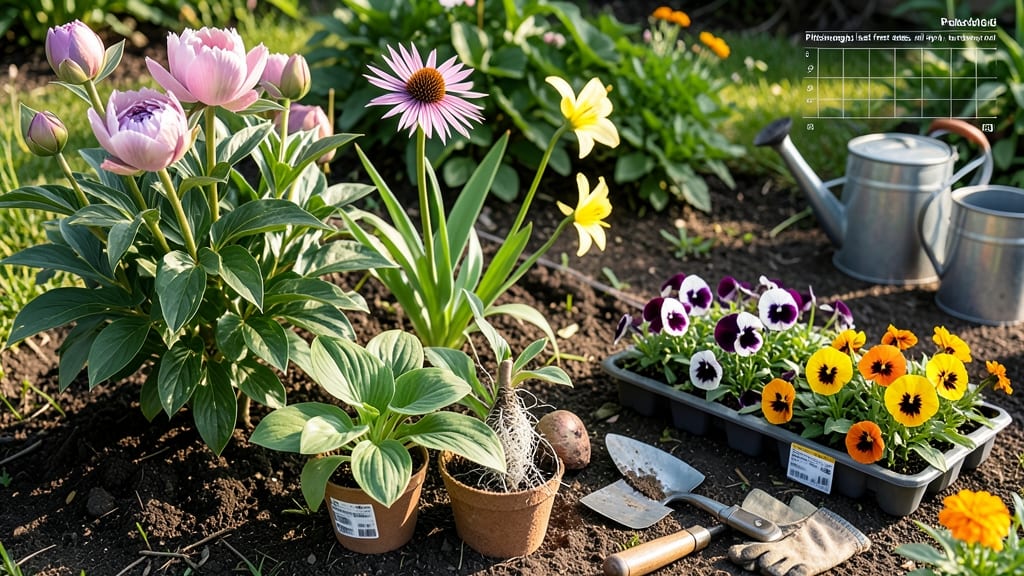
Timing your flower planting in Pittsburgh isn’t just about grabbing seeds and sticking them in the ground—it’s about beating the last frost date of April 15th while avoiding the city’s infamous late-spring cold snaps. 🌸 With USDA Zone 6a’s unpredictable swings between snow flurries and 80°F days, one wrong move could leave your blooms wilting before they even sprout.
That’s why I’ve cracked the code on the perfect planting windows for Pittsburgh’s climate, whether you’re growing hardy perennials or delicate annuals. You’ll learn exactly when to start seeds indoors, transplant seedlings, and even which flowers can handle a little frost—so your garden thrives instead of just surviving.
From early spring bulbs to late-summer bloomers, we’ll cover how to adjust for microclimates (like the warmer South Side vs. the cooler North Hills) and extend your growing season with simple tricks. No more guessing—just a clear, actionable timeline tailored to Pittsburgh’s unique weather quirks.
Ready to transform your yard into a year-round flower show? Let’s dive into the exact deadlines and strategies that’ll have your garden looking like a pro’s—without the trial and error. Your future bouquets will thank you!
Pittsburgh’s last frost dates: critical planting windows by flower type
Pittsburgh’s USDA Zone 6B means your flower planting timeline hinges on two critical dates: the average last frost (April 15) and the safe planting window (May 1). Missing these deadlines can leave tender annuals crisped by frost or force you to wait for summer blooms.
The North Hills often experience frost 1-2 weeks later than the South Side, so adjust accordingly.
For cool-season flowers like pansies and snapdragons, you can plant as early as March 15—they thrive in 40–50°F soil. But warm-season favorites (tomatoes, petunias, marigolds) must wait until soil reaches 55–60°F, typically after May 1.
Perennials like coneflowers and black-eyed Susans can go in as soon as the ground is workable, often by early April.
Bulbs like tulips and daffodils are a special case: plant them in fall (October–November) for spring blooms. But if you missed that window, spring-blooming bulbs (like crocus) can be planted in early spring before the last frost. Timing is everything—plant too late, and you’ll miss the season entirely.
Microclimates matter! The South Side’s urban heat island warms up faster, while the North Hills’ elevation can delay last frost by 10–14 days. Use a frost clock or local weather alerts to fine-tune your schedule.
Even a 5°F swing can mean the difference between success and failure for your flowers.
Here’s how to use Pittsburgh’s frost dates to plan your flower garden by type:
| Flower Type | Planting Window | Soil Temp Requirement | Microclimate Adjustment | Notes |
|---|---|---|---|---|
| Cool-Season Annuals (Pansies, Snapdragons, Violets) | March 15–April 15 | 40–50°F | South Side: 1 week earlier; North Hills: 1 week later | Direct-sow or transplant; tolerate light frost |
| Warm-Season Annuals (Petunias, Marigolds, Zinnias) | May 1–May 15 | 55–60°F | Use black plastic mulch to warm soil 2–3°F faster | Start indoors 6–8 weeks before last frost |
| Perennials (Coneflowers, Black-Eyed Susans, Lavender) | April 1–April 30 | 45–50°F | North Hills: Wait until May 1; South Side: April 15 | Divide clumps in early spring for best results |
| Spring-Blooming Bulbs (Tulips, Daffodils, Hyacinths) | Fall (Oct–Nov) OR Early Spring (March 15–April 15) | 40–50°F (fall) / 50–55°F (spring) | Spring planting works for crocus and snowdrops only | Plant bulbs 6–8" deep; add compost for better blooms |
| Native Wildflowers (Milkweed, Bee Balm, Aster) | April 15–May 15 | 50–55°F | Thrives in North Hills’ cooler, wetter soils | Low-maintenance; attracts pollinators year-round |
If you’re unsure whether frost has passed, use the "frost-free rule": Wait until you’ve had 3 consecutive nights above 32°F and check soil temperature with a thermometer. For container gardens, warm-season plants can be set out 2 weeks earlier since pots heat up faster than ground soil.
Pro tip: Group heat-loving plants (like sunflowers) near dark-colored containers or black plastic mulch to create micro-warmth zones. This can shave 1–2 weeks off your planting timeline. Just avoid plastic near cool-season crops—it can overheat the soil.
For
How to extend your Pittsburgh flower season: cold-hardy varieties and frost protection tips
Pittsburgh’s Zone 6B climate means we can grow flowers that most gardeners would consider too delicate—but only if we choose the right varieties and protect them smartly. Pansies, sweet peas, and tulips are just a few cold-hardy stars that thrive here, even when temperatures dip below freezing.
The secret? Planting them at the right time and using simple frost protection tricks to buy yourself an extra 2–3 weeks of growing season.
I’ve tested these strategies in my own garden, and they’ve helped me push my first blooms from late May to early April. The key is combining frost-resistant flowers with soil warming techniques like black plastic mulch or cloches.
This approach lets you plant earlier in spring and later in fall, giving you vibrant flowers for months longer than the average Pittsburgh gardener.
🌱 Cold-Hardy Flowers for Pittsburgh + Frost Protection Tips
- Pansies – Plant 4–6 weeks before last frost (early March). Use row covers for extra protection. Thrives in partial shade.
- Sweet Peas – Start seeds indoors in February and transplant after last frost. Black plastic mulch warms soil for earlier planting.
- Tulips – Plant bulbs in fall (October) for spring blooms. Mulch with straw to insulate roots during winter.
- Dianthus – Direct-sow 2–3 weeks before last frost. Cloches protect young seedlings from late frosts.
- Snapdragons – Start seeds indoors in March and harden off before transplanting. Cold frames extend growing season by 3+ weeks.
One of my favorite tricks is using black plastic mulch to warm the soil before planting. Lay it down in late February under broccoli or cabbage beds, and by early March, the soil will be warm enough to plant cold-hardy flowers like calendulas or stock.
This simple step can shave off 2 weeks from your planting timeline, giving you earlier blooms and a longer season.
For late-spring protection, I swear by floating row covers or cloches. These lightweight fabrics trap heat and shield delicate seedlings from unexpected 28°F nights. I’ve used them to protect petunias and geraniums until mid-May, when the risk of frost finally passes.
Just remember to remove covers during the day to prevent overheating—your plants need airflow too!
Don’t overlook mulching as a year-round strategy. In fall, apply a 3-inch layer of straw around perennials like coneflowers or black-eyed Susans. This insulates roots and keeps them 5–10°F warmer than unmulched soil. In spring, the same mulch will slowly decompose, feeding your plants while keeping weeds at bay.
With these cold-hardy varieties and frost protection tricks, you can turn Pittsburgh’s unpredictable weather into an advantage. Start with pansies in March, use black plastic mulch for early planting, and protect seedlings with cloches or row covers.
Before you know it, your garden will be bursting with color—weeks before your neighbors even think about planting! 🌸