
Flowers
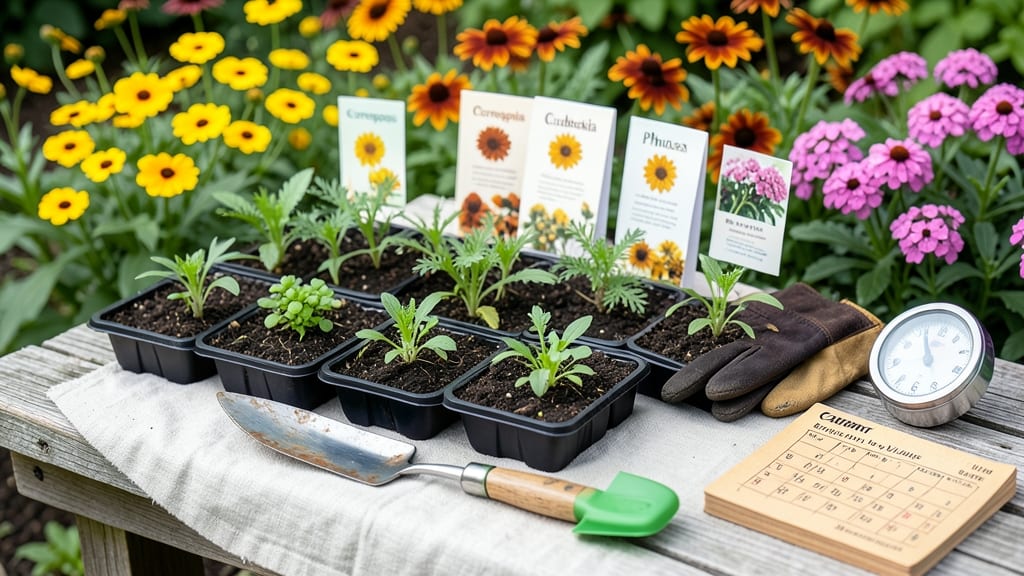
Timing your flower planting in Rhode Island isn't just about luck—it's about beating the last frost on April 15 to give your 🌸 a fighting chance.
With USDA Zone 6a's chilly springs and unpredictable weather, planting too early can leave your blooms shivering in the cold, while waiting too long risks missing peak bloom seasons.
I've tested countless planting schedules here, and the difference between wilting disappointment and vibrant gardens often comes down to knowing when to start seeds indoors versus when to transplant outdoors.
Whether you're dreaming of bold tulips or cheerful marigolds, the right timing ensures your flowers thrive from the first frost-free day.
What you'll discover here are the exact windows for planting annuals, perennials, and bulbs—plus how to stretch those deadlines with simple tricks like frost cloths. Let's turn your Rhode Island garden into a year-round showstopper, starting with the perfect planting schedule.
From extending your spring season to preparing for fall blooms, I'll walk you through every step—so you can enjoy flowers that last from May's first blooms to October's final colors. No more guesswork, just guaranteed growth.
Rhode Island’s last frost dates by flower type: critical planting windows
Timing your flower planting in Rhode Island is all about beating the last frost, which typically lands between April 15–May 1 in most of the state. According to data from the URI Agricultural Experiment Station, missing these windows can mean frost-nipped buds or stunted growth.
I’ve broken down the critical planting periods for your favorite flowers to ensure vibrant blooms all season.
For early spring bloomers like tulips and daffodils, planting bulbs in October–November gives them time to root before winter. These hardy perennials can handle Zone 6b frosts with ease, but their foliage emerges early—so mark your calendar for late March to admire their first blooms.
Annuals like pansies and snapdragons are frost-tolerant and can be planted as early as late March, but wait until after April 15 for heat-loving varieties like petunias and marigolds. These late spring flowers thrive once soil temperatures hit 60°F, so test with a soil thermometer if unsure.
Here’s your planting timeline for Rhode Island’s most popular flowers, based on URI’s frost data and my years of local gardening trials:
If you’re eager to extend your blooming season, consider fall planting for hardy annuals like cosmos or calendula. These varieties can handle light frosts and often bloom until first frost in October.
For warm-season flowers, like zinnias, don’t wait past June 1—they’ll bolt in Rhode Island’s summer heat.
Pro tip: Use row covers or frost cloth to push your last frost deadline by 2–3 weeks for heat-sensitive plants. I’ve successfully planted geraniums in early April using this method, giving me an extra month of color. Just remove the cover once temperatures stay above 50°F at night.
For container gardening, warm up soil faster by placing pots on black plastic mulch or near south-facing walls. This microclimate trick lets me plant basil and marigolds a full week earlier than ground plantings. Monitor your containers closely—they cool faster than in-ground beds.
Remember, Rhode Island’s first frost typically arrives around October 15, so plan your fall planting for late August–September. Cool-season crops like pansies and sweet alyssum thrive in these conditions and add winter interest with their frost-resistant blooms.
By following these frost-free planting windows, you’ll transform your garden into a year-round bloom machine, even with Rhode Island’s unpredictable weather. Happy planting!
How to extend your Rhode Island flower season: cold-hardy hacks for early/late planting
Rhode Island’s USDA Zone 6b springs can feel like a race against time, but with the right strategies, you can push your planting windows by 2–4 weeks.
I’ve learned that frost cloths and microclimates are game-changers for hardy flowers like snapdragons and sweet alyssum, which thrive even when temperatures dip. These tricks let you start earlier or keep blooms going later without risking frost damage.
One of my favorite methods is using row covers or frost blankets to create a protective microclimate. These lightweight fabrics trap heat while allowing sunlight and water to pass through, creating a 5–10°F warmer environment.
I’ve successfully planted pansies and violas as early as mid-March using this method, giving them a head start before the last frost.
Another smart move is leveraging south-facing walls or raised beds, which absorb and retain heat better than open ground. These spots can be 2–3 weeks earlier to warm up, perfect for heat-loving flowers like petunias or geraniums.
Just be sure to monitor soil temperatures—aim for at least 50°F for cool-season flowers and 60°F for warm-season varieties.
🌱 Key Takeaway: Extending Your Planting Windows
- Frost cloths
- Row covers
- South-facing walls
- Raised beds
- 2–4 weeks earlier
- 2–3 weeks later
- 1–2 weeks earlier
- 3–5 weeks earlier
For late-season planting, focus on cold-hardy annuals like calendula or stock flowers, which can handle light frosts. I’ve planted these as late as early September and still enjoyed blooms through October. Pair them with mulch to insulate roots and retain moisture, especially in Rhode Island’s unpredictable fall weather.
Don’t overlook seed-starting indoors as another way to extend your season. Begin 6–8 weeks before your average last frost date (around March 1 for Rhode Island) for warm-season flowers like zinnias or cosmos.
Use grow lights to supplement natural light, and harden off seedlings for 1–2 weeks before transplanting outdoors.
Finally, keep a planting journal to track which methods work best in your specific microclimate. Note the dates you plant, the tools you use, and how long your flowers bloom.
Over time, you’ll refine your schedule to match your garden’s unique conditions—turning Rhode Island’s unpredictable weather into an advantage for longer, more vibrant flower seasons.