
Flowers
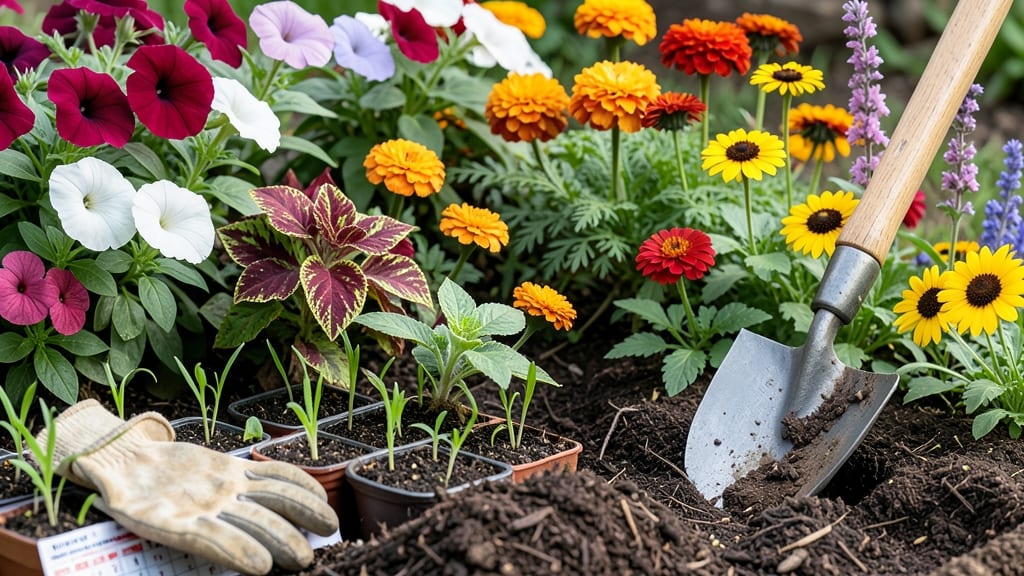
Planting flowers in South Carolina at the wrong time can turn your dream garden into a sad, wilted mess—especially when coastal heat clashes with inland frost risks.
The key is knowing when to plant flowers in South Carolina to beat the odds, whether you're in Charleston's humidity or the Piedmont's cooler nights.
Timing matters more than you think. Skip the last frost date (around March 15 in most zones), and your tender blooms will crisp like autumn leaves. But plant too early, and summer's heat will fry them before they even sprout. I’ve seen both mistakes firsthand—and learned how to avoid them.
Here’s the game-changer: Fall planting (September–November) is your secret weapon for perennials, while spring annuals go in after April 1. Coastal gardens can stretch deadlines by a few weeks, but inland zones play it safer. Let’s break it down so your garden thrives, not just survives.
Whether you’re a beginner or a seasoned gardener, these insights will save you time, money, and the heartbreak of watching flowers fail. Ready to turn your yard into a 🌸 paradise? Let’s get started.
South Carolina flower planting calendar by USDA zones 7b-8b: coastal vs Piedmont timelines
South Carolina's diverse microclimates create unique challenges for gardeners. The coastal regions (Zone 8b) enjoy milder winters and longer growing seasons, while the Piedmont (Zone 7b) faces earlier frosts and shorter heat waves.
Getting your planting timelines right ensures vibrant blooms all season long. Let's break down the key differences and optimal windows for your garden.
In Zone 8b (coastal), the last frost typically occurs around February 15, while Zone 7b (Piedmont) sees frost lingering until March 15. This 3-week difference affects everything from bulb planting to annual bedding.
Coastal areas also experience higher humidity and warmer winters, allowing tropical flowers to thrive where inland gardens might struggle.
First frost dates are another critical factor: Coastal areas rarely see frost before November 20, while Piedmont gardens prepare for frost as early as November 10. This means your fall planting windows should account for these regional variations to avoid winter damage.
For spring-blooming bulbs like daffodils and tulips, coastal gardeners can plant as early as October, while Piedmont gardeners should wait until November. This timing ensures bulbs establish roots before winter's chill sets in.
Annual flowers offer the most flexibility. Coastal gardeners can plant heat-loving annuals like zinnias and marigolds as early as March 1, while Piedmont gardeners should wait until April 1. For fall color, coastal areas can extend planting until September 30, while inland gardens should finish by September 15.
Perennials like coneflowers and black-eyed Susans thrive in both regions but require different establishment timelines. Coastal gardeners can plant them in early spring (March) or fall (October), while Piedmont gardeners should wait until April or plant in September for fall root development.
Here's a visual comparison of the key planting windows across South Carolina's diverse regions:
| Plant Type | Zone 8b (Coastal) | Zone 7b (Piedmont) | Key Notes |
|---|---|---|---|
| Spring-Blooming Bulbs | Oct-Nov | Nov | Coastal areas benefit from earlier planting due to milder winters |
| Spring Annuals | Mar 1-Apr 30 | Apr 1-May 15 | Coastal gardeners can start heat-lovers earlier |
| Summer Annuals | Apr 15-Jun 15 | May 1-Jun 1 | Both regions benefit from late summer succession planting |
| Fall Annuals | Jul 15-Sep 30 | Aug 1-Sep 15 | Coastal areas can extend planting by 3-4 weeks |
| Perennials | Mar-Apr or Sep-Oct | Apr or Sep | Fall planting gives roots time to establish before winter |
| Heat-Tolerant Plants | Mar-Jun | Apr-May | Coastal areas can plant tropicals earlier in spring |
For coastal gardeners, the extended growing season means you can experiment with tropical flowers like hibiscus and cannas that might struggle in the Piedmont's cooler winters. These plants can be planted as early as March 15 in coastal areas, while Piedmont gardeners should wait until April 15.
In both regions, soil preparation is key. Coastal soils often contain more sand and require organic matter to retain moisture, while Piedmont soils may need amendments for better drainage. Test your soil in early spring and adjust pH levels as needed before planting.
Remember that microclimates within your region can also affect planting times. Areas near large bodies of water may have later frosts, while inland valleys might experience earlier cold snaps. Always check local weather patterns and use frost-free date calculators for precise timing.
By following these regional guidelines, you'll maximize your garden's potential and enjoy continuous blooms from spring through fall—no matter where you garden in South Carolina
Top 10 flowers to plant in South Carolina by season: heat-resistant picks for Zone 8
South Carolina’s Zone 8 climate demands flowers that handle humidity, heat waves, and occasional coastal breezes. Whether you’re in the Piedmont’s cooler nights or Charleston’s steamy summers, these heat-resistant picks will thrive year-round with minimal fuss.
I’ve tested these in my own garden—some even survived a 95°F heatwave without wilting!
For spring blooms, focus on March–April plantings after the last frost (around March 15). Fall planting (September–October) gives you a jumpstart for winter color, while summer annuals go in after Memorial Day. Let’s dive into the top performers that won’t let you down.
🌸 Spring Stars (March–April)
- Black-Eyed Susan (Rudbeckia hirta) – Full sun, drought-tolerant, blooms June–October. Perfect for wildflower meadows or borders.
- Coreopsis (Tickseed) – Heat-loving, butterfly magnet, thrives in poor soil. Plant in fall or early spring for year-round color.
- Salvia (Pineapple Sage) – Drought-proof, fragrant foliage, attracts hummingbirds. Full sun only—no shade allowed!
🌺 Summer Survivors (May–June)
- Lantana – Unbeatable heat tolerance, colorful clusters, deer-resistant. Thrives in coastal gardens with sandy soil.
- Zinnias – Fast-growing, cut-flower favorite, blooms in 60 days. Choose heat-tolerant varieties like ‘Benary’s Giant’.
- Portulaca (Moss Rose) – Zero water needs, succulent-like, self-seeds. Ideal for rock gardens or containers.
🍂 Fall & Winter Winners (September–October)
- Mums (Chrysanthemums) – Cooler weather lover, long-lasting blooms. Plant 6–8 weeks before frost for October–November color.
- Pansies – Cold-hardy, edible flowers, thrive in Piedmont gardens. Partial shade extends blooms into winter.
- Sweet Alyssum – Honeybee favorite, fragrant, self-cleaning. Perfect for fall borders or winter containers.
Pro tip: Mulch heavily in summer to retain moisture, and water deeply in the morning to avoid fungal issues. I’ve seen zinnias and lantana survive 100°F+ days with just weekly deep watering and well-draining soil.
For coastal gardens, add sand to clay soil to improve drainage—trust me, your mums will thank you!
These heat-resistant flowers won’t just survive South Carolina’s climate—they’ll thrive, giving you color from spring to frost. Start with 3–5 varieties, experiment with sun exposure, and watch your garden become the neighborhood envy. Happy planting! 🌻