
Flowers
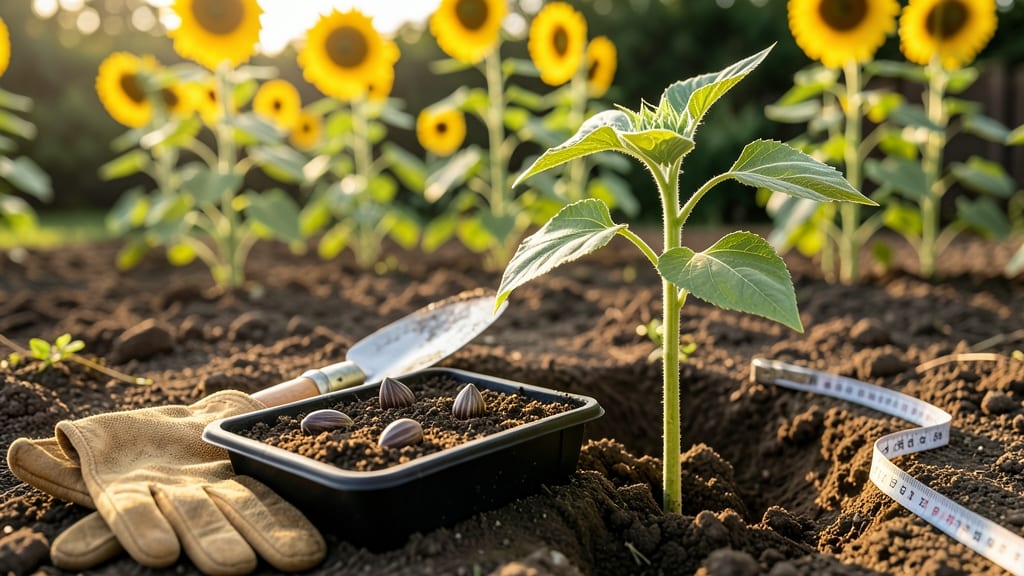
Planting sunflowers in South Carolina at the wrong time can mean watching your 🌻 dreams wilt before they even bloom. The key to success? Timing it perfectly after the last frost—typically between mid-April and early June—when soil temperatures hit that sweet spot for germination.
With USDA zones 7b-8a offering a long growing season, you’ve got flexibility, but coastal areas and inland Piedmont regions behave differently. A late spring frost can stall growth, while planting too early means seeds rot in cold soil.
Let’s break down the exact windows and microclimate tweaks to ensure your sunflowers reach their towering potential.
You’ll discover which varieties thrive best in your zone, how to adjust for heatwaves or unexpected chills, and the simple spacing tricks that keep stems sturdy against summer storms. No more guessing—just a foolproof plan for sunflowers that stand tall from August through October.
Ready to grow sunflowers that turn heads? We’ll cover everything from seed depth to post-planting care, so your garden becomes the talk of the neighborhood. Let’s get started!
South Carolina’s sunflower planting zones: heat-Zone timeline by region
South Carolina's diverse climate—from the humid coastal plains to the inland Piedmont—means sunflower planting windows vary dramatically by USDA zone. In Zone 7a, late frosts linger until mid-April, while Zone 8b gardeners can start as early as mid-March.
Getting the timing right ensures your sunflowers bloom before summer heat stunts their growth.
Soil temperature is just as critical as air temperature. Sunflower seeds need soil temps above 55°F to germinate reliably.
In Upstate SC (Zone 7a), wait until early May for safe planting, while coastal areas (Zone 8a) can start in late March. Heat-tolerant varieties like 'Autumn Beauty' or 'Moulin Rouge' thrive in these conditions.
Here’s your heat-zone planting guide with last frost dates, ideal soil temps, and top varieties for each region:
For Upstate gardeners (Zone 7a), I recommend planting 'Russian Giant' in early May to avoid late frosts. These giants need 120+ frost-free days to mature, so don’t rush—wait until soil temps are steady above 60°F. A soil thermometer is your best friend here!
In Zone 8a coastal areas, you can push the envelope with February plantings if you use row covers for frost protection. Varieties like 'Moulin Rouge' handle humidity better than others, making them ideal for Charleston’s coastal climate. Just watch for powdery mildew in sticky summer air.
Pro tip: Stagger your plantings every 2 weeks to extend your blooming season. Start with dwarf varieties in early spring for quick color, then follow with tall varieties for summer height. This creates a continuous floral display from June through October.
Always plant seeds 1 inch deep and 6 inches apart for optimal spacing. In sandy coastal soils, add compost to retain moisture, while clay-heavy Piedmont soils benefit from gypsum to improve drainage. Both extremes can stress sunflowers if not amended properly.
Remember: Sunflowers love heat, but they’ll bolt (go to seed) faster in 100°F+ temps. If your summer gets too intense, choose heat-tolerant varieties like 'Autumn Beauty' or provide afternoon shade with a light shade cloth.
🌻
How to adjust planting for South Carolina’s microclimates: coastal vs. Piedmont vs. Upstate
South Carolina’s three distinct microclimates—coastal, Piedmont, and Upstate—create unique challenges for sunflower growers. Coastal areas battle salt spray and humidity, while the Upstate faces earlier frosts and thinner soil. The Piedmont sits in the middle, offering a balance but requiring precise timing to avoid heat stress.
Each region demands different adjustments to your planting schedule, soil prep, and even sunflower variety selection.
For coastal gardens (USDA zones 8a-8b), start seeds indoors by late March and transplant after April 15 when soil warms to 60°F+. The high humidity increases fungal risks, so prioritize dwarf varieties like 'Teddy Bear' (3-4 ft tall) that dry faster.
Inland Piedmont areas (zones 7b-8a) can plant directly in mid-April once nighttime temps stay above 50°F, using tall varieties like 'Mammoth' for maximum height before fall frosts.
The Upstate (zones 7a-7b) has shorter growing seasons and cooler nights, so opt for early-maturing varieties like 'Autumn Beauty' (60-75 days to harvest). Plant outdoors no earlier than May 1 to avoid frost damage, and use black plastic mulch to warm soil faster.
Urban gardens in Charleston or Columbia face heat islands, so water deeply in the early morning to prevent wilting during afternoon humidity peaks.
| Region | USDA Zone | Best Planting Window | Soil Temp Threshold | Top Variety |
|---|---|---|---|---|
| Coastal | 8a-8b | Late March (indoors) / April 15 (outdoors) | 60°F+ | Teddy Bear (dwarf) |
| Piedmont | 7b-8a | Mid-April (direct sow) | 55°F+ | Mammoth (tall) |
| Upstate | 7a-7b | May 1 (outdoors) | 65°F+ | Autumn Beauty (early) |
Rural farms in the Upstate Piedmont benefit from looser, well-draining soil, allowing for direct sowing of giant varieties like 'Russian Giant' (12-14 ft). However, these need staking or trellising to handle summer storms.
Coastal gardeners should rinse soil with fresh water after storms to remove salt buildup, while Upstate growers should amend clay soil with compost to improve drainage. The Piedmont’s moderate humidity makes it ideal for staggered planting—sow seeds every 2 weeks from April to June for continuous blooms.
Urban gardeners in Columbia or Greenville face heat island effects, so choose heat-tolerant varieties like 'ProCut' (great for bouquets) and plant in raised beds filled with 50% compost to retain moisture.
If you’re near the coast, avoid planting near road salt runoff areas, as salt stress causes yellowing leaves and stunted growth. For Upstate gardens, extend the season by planting late-season varieties like 'Sunspot' in early June for fall harvests before the first frost.
Remember: Soil temperature matters more than air temperature for sunflower germination. Use a soil thermometer to confirm 60°F+ before planting—cooler soil delays sprouting. In coastal areas, morning fog can keep soil cold longer, so wait until April 20 minimum.
Piedmont gardeners can start 10 days earlier than coastal counterparts, while Upstate growers should wait until May 1 to ensure frost-free growth. With these microclimate tweaks, your sunflowers will thrive regardless of where you live in South Carolina.