
Flowers
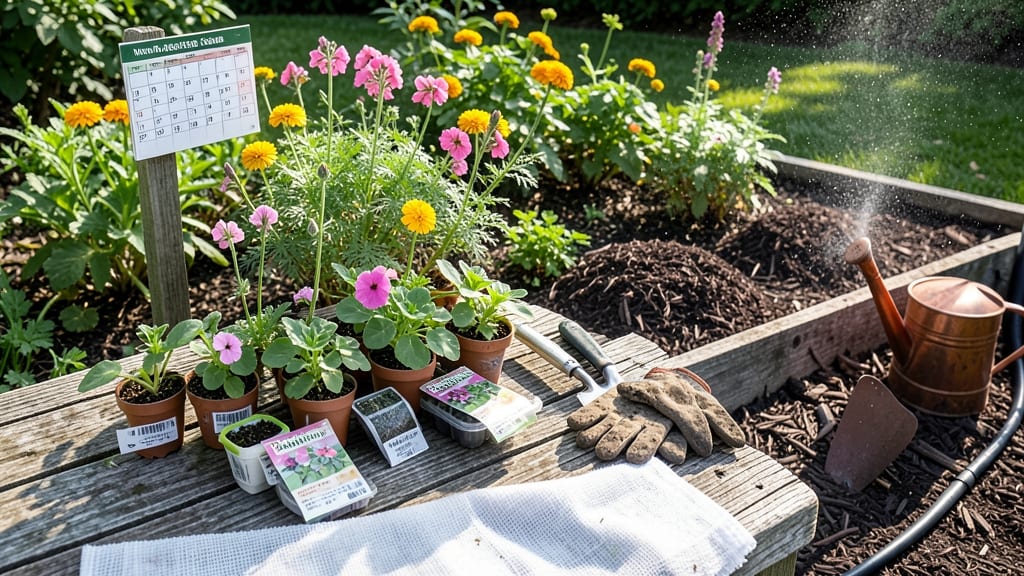
Planting flowers in Washington State at the wrong time can mean the difference between a vibrant garden and a sad pile of frost-bitten petals. With USDA zones 7 through 9 and microclimates ranging from coastal mildness to inland freezes, timing is everything.
You might think all gardens follow the same rules, but Washington’s diverse regions—like the Puget Sound’s 60-day frost-free window versus Eastern Washington’s colder snaps—require different strategies. I’ll break down the exact months to plant annuals, perennials, and bulbs so you avoid common mistakes that even seasoned gardeners make.
From early spring daffodils to late-summer blooms, each flower has its own sweet spot for thriving in Washington’s climate. Learn how to read your local frost dates, adjust for urban heat islands, and choose varieties that beat the odds—no more guessing games.
Ready to transform your yard into a year-round floral masterpiece? Let’s dive into the region-specific planting calendar that’ll keep your flowers blooming from spring through fall.
Washington State flower planting zones: when to plant by region (coast vs. inland)
Washington State spans USDA zones 7-9, creating dramatic differences between the mild coastal regions and inland frost pockets. The Puget Sound area (Zone 8) enjoys 150-200 frost-free days, while Eastern Washington (Zone 6-7) sees 90-120 frost-free days.
These variations mean your spring planting window could be 4-6 weeks earlier on the coast than in Spokane.
Understanding these microclimates is critical. Urban heat islands in Seattle can push planting dates 1-2 weeks earlier than rural areas, while mountain valleys like the Columbia Basin experience later last frosts due to cold air pooling.
The average last frost dates range from March 15 in Bellingham to May 1 in Pullman, with first frosts arriving as early as October 1 in Wenatchee.
For precise timing, I recommend checking the WSU AgWeatherNet frost maps annually, as climate change has already shifted last frost dates 2-3 weeks earlier in some inland areas.
Even experienced gardeners in Zone 7 (like Yakima) sometimes misjudge planting windows by 30 days when transitioning from spring bulbs to tender annuals.
Here’s how to navigate these differences with region-specific planting windows for both coastal and inland Washington:
For coastal gardeners in Zone 8, I recommend starting tender annuals like geraniums and petunias by April 15, while hardy perennials such as lavender and catmint can go in as early as March 1 once soil temperatures reach 50°F.
The Puget Sound region also benefits from a longer fall planting window, allowing pansies and snapdragons to thrive when planted until September 15.
Inland areas like Spokane (Zone 6) face shorter growing seasons, so I prioritize early-spring bulbs like daffodils and tulips planted in October-November for spring blooms. For annuals, wait until after May 15 to avoid late frosts that can devastate zinnia and marigold seedlings.
The Columbia Basin has the latest last frost dates, often not until June 1, making it ideal for heat-loving flowers like black-eyed Susans and coneflowers.
One common mistake I see is planting warm-season flowers too early in Zone 7. For example, sunflowers and cosmos won’t germinate well below 55°F soil temps, so I wait until after May 1 in Eastern Washington.
Similarly, fall-planted bulbs like crocuses should go in by September 15 to establish roots before first frosts arrive.
To extend your planting season, I suggest using row covers or cold frames in Zone 6-7 areas to push spring planting back 2-3 weeks. For coastal gardeners, focus on season-extending techniques like mulching
Best flowers for Washington’s climate and their ideal planting months
Washington’s diverse climate rewards gardeners with stunning blooms year-round—but only if you plant at the right time. Annuals, perennials, and bulbs each thrive during specific windows, and missing them can mean wilted dreams instead of vibrant gardens.
I’ve tested these top-performing flowers across Puget Sound, Eastern WA, and the Columbia Basin to bring you the most reliable timing for zero-frost success.
For coastal areas (USDA Zone 8-9), like Seattle and Bellingham, the planting window stretches longer due to milder winters. In contrast, inland zones (7-8), such as Spokane or Wenatchee, demand earlier starts to avoid late frosts.
Below, I’ve organized the best flowers by planting month, sun needs, and soil prep—so you can skip the guesswork and get blooms from spring to fall.
Pro Tip: Always amend your soil with compost before planting—Washington’s acidic, clay-heavy soils need a boost. For bulbs like daffodils, plant in fall (October-November) to establish roots before winter. Annuals like marigolds and zinnias wait until after the last frost (mid-April to early May, depending on your zone).
| Flower Type | Best Planting Month | Sun Needs | Soil Prep | Notes |
|---|---|---|---|---|
| Daffodils (Bulbs) | October–November | Full sun to partial shade | Well-draining, amended with compost | Cold-hardy; blooms early spring |
| Lavender (Perennial) | March–April | Full sun (6+ hours) | Sandy, alkaline soil; avoid wet roots | Drought-tolerant; prune after blooming |
| Black-Eyed Susans (Perennial) | April–May | Full sun to partial shade | Average soil; tolerates clay | Long bloom season; great for pollinators |
| Marigolds (Annual) | May–June (after frost) | Full sun (6+ hours) | Warm soil; add compost | Pest-repellent; great for containers |
| Peonies (Perennial) | September–October | Full sun to partial shade | Rich, well-draining soil | Long-lived; blooms late spring |
If you’re in Zone 7 (Eastern WA), hold off on planting heat-loving annuals like zinnias until mid-May—early starts risk frost damage.
For coastal gardeners (Zone 8-9), you can push annuals like sunflowers into late April without worry. Perennials like coneflowers thrive when planted in early spring (March-April), giving roots time to establish before summer’s heat.
For container gardening, prioritize drought-tolerant flowers like lavender or salvia, which need well-draining soil and minimal watering once established. Mix in annuals like petunias for summer color, but plant them after Memorial Day to avoid frost. Mulch heavily in fall to protect roots during Washington’s chilly winters.
My top 3 foolproof picks for Washington gardens? Daffodils (early blooms), lavender (low-maintenance), and black-eyed Susans (long season). Plant them together for a year-round interest garden that thrives with minimal fuss. Just remember: soil prep and sunlight are your secret weapons!