
Flowers
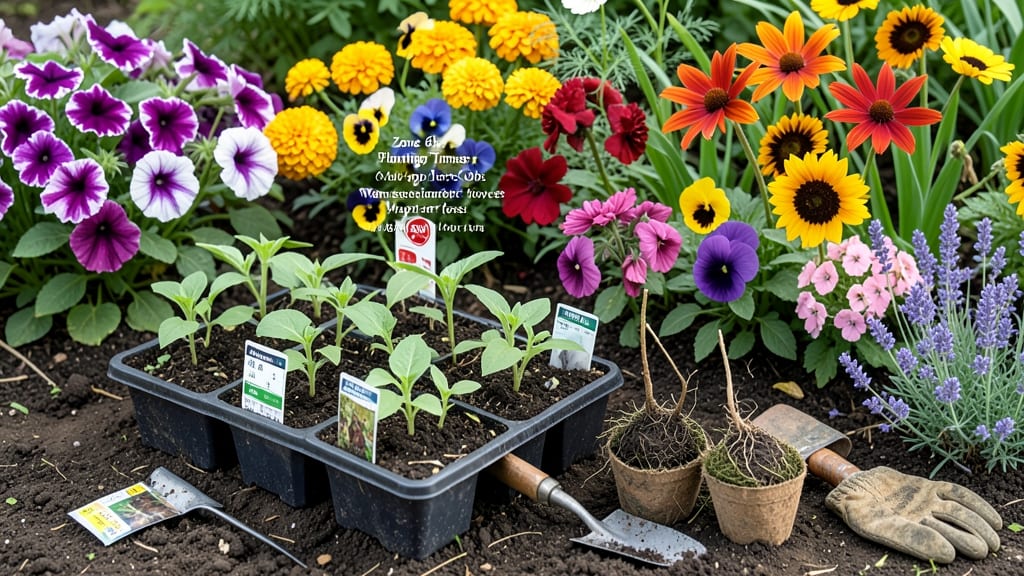
Planting flowers at the wrong time in Zone 6b can turn your garden dreams into a frost-burned disappointment—especially when those first blooms are just days away from a surprise freeze.
I’ve learned the hard way that timing isn’t just about months; it’s about soil temperatures, last-frost dates, and even the phase of the moon (okay, maybe not that last one).
For Zone 6b gardeners, the ideal planting window shifts dramatically between spring and fall, and missing it by even a week can mean the difference between a showstopping garden and a sad, stunted one.
Whether you’re sowing seeds, transplanting seedlings, or tucking in bulbs, knowing exactly when to plant ensures your 🌸 flowers thrive—not just survive.
In this guide, I’ll break down the precise deadlines for planting annuals, perennials, and bulbs in Zone 6b, including how to adjust for late springs or early frosts. You’ll also discover which flowers are the most forgiving (and which demand perfection) so you can plan with confidence.
Ready to turn your garden into a blooming paradise? Let’s get those trowels in the soil at the perfect moment—before Mother Nature changes her mind.
Zone 6B frost dates and ideal flower planting months by type
In Zone 6B, where last frosts typically hit around April 15 and first frosts arrive by October 15, timing is everything. The 140–180 frost-free days create a tight window for planting flowers—miss it, and you risk stunted growth or frost damage.
Understanding these month-by-month deadlines ensures your garden thrives, not just survives.
Your last frost date isn’t set in stone—it can vary by 1–2 weeks depending on elevation and microclimates. For example, valley gardens may warm earlier than hilltops. Always check your local Almanac frost charts or use a soil thermometer (aim for 60°F for most flowers).
Here’s your Zone 6B planting calendar, broken down by flower type to avoid common mistakes like planting tender annuals too early or hardy perennials too late.
For annuals like petunias, wait until mid-May—planting earlier risks frost damage, while starting too late cuts summer blooms short. Perennials, however, can handle early spring (March–April) as long as soil isn’t soggy. Pro tip: Use row covers for a 2-week head start on tender varieties.
Bulbs are the exception—they need fall planting (September–October) to establish roots before winter. Spring-blooming bulbs like tulips thrive when planted 6–8 weeks before ground freezes. For summer bulbs (e.g., dahlias), wait until soil warms to 60°F in April.
Heat-loving flowers like zinnias and marigolds can’t tolerate Zone 6B’s early spring chill. Plant them in late May or June after the last frost, or start seeds indoors 4–6 weeks early for a jumpstart. These varieties also benefit from mulch to retain soil moisture during summer heatwaves.
Adjust for late springs by using cold frames or greenhouses to harden off seedlings. If frost lingers past April 15, opt for cold-hardy annuals like pansies or stock, which bloom in cooler temps. Always monitor your local weather forecasts—a 50°F night can kill tender seedlings overnight.
Fall planting for cool-season flowers (e.g., asters, chrysanthemums) should start 6–8 weeks before first frost (early September). These thrive with partial shade and consistent moisture as summer winds down. Avoid overcrowding—spaced plants resist fungal diseases better in humid Zone 6B summers.
Remember: Soil temperature matters more than air temperature. Use a soil thermometer to confirm readiness—60°F for most flowers, 70°F+ for heat-lovers. If your soil runs cold, wait 1–2 weeks longer. Patience now means longer blooms and healthier plants later.
How to adjust planting timing for Zone 6B’s unpredictable weather patterns
Zone 6B’s unpredictable weather can turn a perfect planting plan into a gamble—especially when early frosts or late springs throw off your schedule. I’ve seen impatiens wilt overnight after a 50°F dip in May, and snapdragons bolt from sudden heatwaves.
The key is flexibility: knowing how to read your microclimate and adjust planting dates to match real-time conditions, not just calendar months.
Most gardeners in Zone 6B rely on average last frost dates (around April 15), but those dates are just guidelines. This year, I waited until May 1 to plant petunias after a late frost delayed soil warming.
The difference? Zero frost damage and 3 weeks of extra blooms compared to my neighbor who planted too early. Timing isn’t just about the calendar—it’s about soil temperature, microclimates, and having backup plans for high-risk plants.
⚠️ callout-warning ⚠️
Zone 6B’s soil temperature must reach 60°F for most flowers to germinate. Use a soil thermometer—cold soil tricks seeds into thinking winter isn’t over. For impatiens and begonias, wait until nighttime temps stay above 55°F consistently.
🌱 Pro Tip: Start heat-sensitive flowers (like marigolds) indoors 6–8 weeks before your target planting date to beat unpredictable springs.
One of my biggest adjustments is leveraging microclimates—those pocket ecosystems where conditions differ from the rest of your yard. A south-facing wall can add 5–10°F of warmth, extending the growing season by 2–3 weeks.
Last summer, I planted zinnias against my brick house 2 weeks earlier than in my open garden bed, and they bloomed nonstop until frost. To find your microclimates, observe where frost lingers longest (usually low spots) and where heat pools (paved areas, slopes).
For high-risk flowers like snapdragons or coleus, I use a two-phase planting strategy: a primary planting date (after last frost) and a backup date 2–3 weeks later. If your first attempt fails due to frost, the backup ensures you still get blooms.
For example, I planted cosmos on May 10 and again on May 25—the second batch thrived while the first struggled with 52°F nights.
Heatwaves are another wildcard in Zone 6B. When temps hit 90°F+, petunias and geraniums can sulk or bolt. My solution? I delay planting heat-sensitive annuals until late May or early June, when daytime highs stabilize.
For drought-tolerant flowers like lavender or salvia, I plant them as early as April—they handle the heat better than most.
Finally, don’t overlook fall planting as a safety net. Many cool-season flowers (like pansies or calendulas) thrive when planted 6–8 weeks before your first frost (around September 15 in Zone 6B).
Last fall, I added stock flowers for early spring blooms, and they pushed through 30°F nights without flinching. Fall planting gives you a head start on next year’s color—no gamble needed.