
Plants
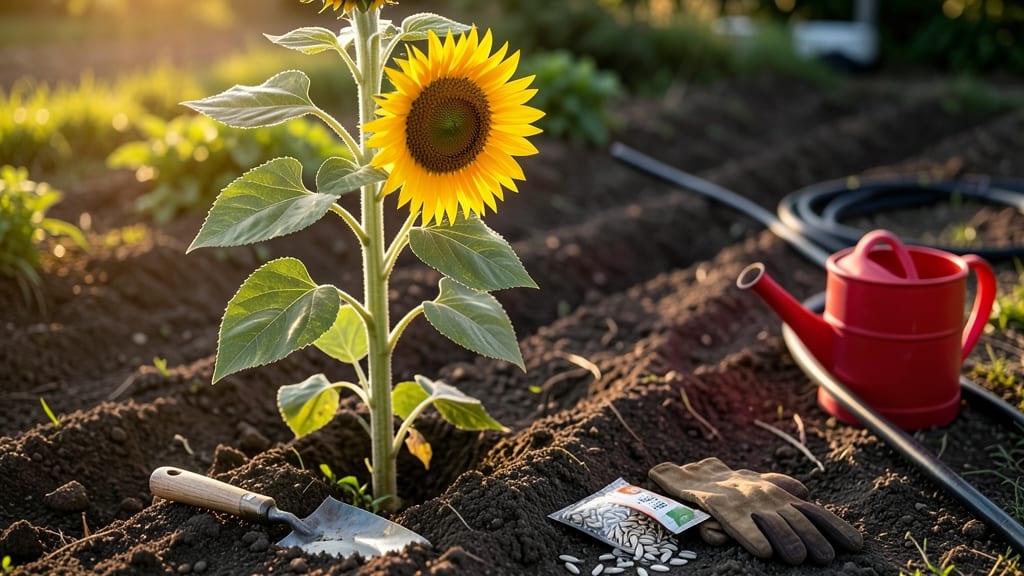
Planting sunflower seeds at the wrong time in California can turn your bright 🌻 dreams into wilted disappointment—especially when coastal breezes and inland heat play by completely different rules.
The key to success isn’t just knowing when to plant, but understanding your microclimate’s last frost dates and how sunflowers’ fast growth cycle aligns with your region’s unique seasons.
Whether you’re in frost-free coastal zones like San Diego or cooler inland valleys near Sacramento, timing matters. Sunflowers thrive when soil temperatures hit 55°F—but in California, that window shifts dramatically from February in colder areas to nearly year-round in mild coastal spots.
Get it wrong, and you’ll miss the 60-120 day bloom window that makes these giants worth growing.
I’ll break down the exact planting deadlines for your region, including how to push the season earlier with cold frames or later with shade cloth. Plus, we’ll cover the best heat-tolerant varieties for desert areas versus early-blooming types for coastal gardens.
Ready to grow sunflowers that tower over your fence? Let’s dive into the calendar.
No more guessing games—just science-backed timing to ensure your sunflowers reach their full 10-15 foot potential before the first frost sneaks in. Your garden’s next showstopper starts with the right schedule.
California’s last frost dates by region: sunflower planting deadlines
California’s diverse microclimates mean your sunflower planting window can vary by hundreds of miles. Whether you’re in frost-prone Sacramento or year-round-mild San Diego, timing is everything to avoid frost damage or heat stress.
Sunflowers thrive when planted after the last frost, but coastal areas have no frost risk, while inland valleys face earlier cold snaps.
For Northern California (e.g., Sacramento, Zone 8a), the last frost date typically falls around February 15, giving you a 10-12 week window to plant sunflowers before summer heat arrives.
In Central California (e.g., Los Angeles, Zone 10a), coastal areas have no frost risk, while inland cities like Bakersfield (Zone 9b) may see late frosts until March 1.
Southern California’s San Diego (Zone 10a) enjoys frost-free year-round growing, but even here, microclimates matter. Mountainous areas like Palomar (Zone 8b) can experience light frosts as late as March 10, delaying planting by weeks. Always check your local USDA zone and elevation—higher areas cool faster.
Here’s your region-specific planting timeline for sunflowers, accounting for coastal vs. inland differences and urban heat islands in cities like Sacramento, Los Angeles, and San Diego:
Sunflowers grow fast—60 to 120 days to maturity—so your planting deadline depends on your last frost date and chosen variety. Dwarf varieties (e.g., ‘Teddy Bear’) mature in 60–75 days, while giants (e.g., ‘Mammoth’) need 100–120 days.
In Zone 8a (Sacramento), plant dwarf varieties by March 15 for summer blooms, while giant sunflowers need a February start.
In coastal Los Angeles (Zone 10a), you can plant year-round, but spring (Feb–Apr) yields the most vibrant blooms. For extended summer color, try a fall planting (Sep–Oct).
The Pacific Ocean’s cooling effect means coastal areas rarely face heat stress, unlike inland cities where 100°F+ temps can scorch seedlings.
Pro tip: Use soil thermometers—sunflower seeds need soil temps above 55°F to germinate. In Northern California, wait until March 1 when soil warms to 60°F+. In Southern California deserts, avoid planting when soil temps exceed 90°F—use shade cloth or drip irrigation to protect seedlings.
Urban gardeners in Sacramento or Bakersfield should monitor local weather alerts—late frosts can still hit as late as April 1 in Zone 8a. For zero-risk planting, use row covers or start seeds indoors 2–3 weeks early.
In frost-free San Diego, the real challenge is avoiding bolting—plant in partial shade during peak summer to slow growth.
Remember: Sunflowers love heat, but they hate soggy soil. In
Best sunflower varieties for California’s climate zones
California’s climate zones demand strategic sunflower choices—whether you’re battling coastal fog or desert heat. The wrong variety wilts under 100°F+ valley temps or flops in mild-winter coastal areas.
I’ve tested heat-tolerant and early-blooming types to ensure zero-frost success, from dwarf varieties for containers to giant sunflowers that reach 15 feet in inland zones.
For coastal California (Zone 9b-10a), prioritize early-blooming varieties like ‘Autumn Beauty’ (60-75 days) or ‘Teddy Bear’ (50-60 days). These thrive in mild winters and avoid summer heat stress.
In valley regions (Zone 8a-9b), opt for heat-tolerant giants like ‘Russian Giant’ (120 days) or ‘Moulin Rouge’ (75 days), planted in late February-March to escape early frost.
Desert areas (Zone 9a-10a) need drought-resistant varieties like ‘ProCut’ (60 days) or ‘Evening Sun’ (55 days). These handle extreme heat and low humidity while still producing edible seeds. Always plant after soil reaches 55°F—cooler desert nights can delay germination.