
Flowers
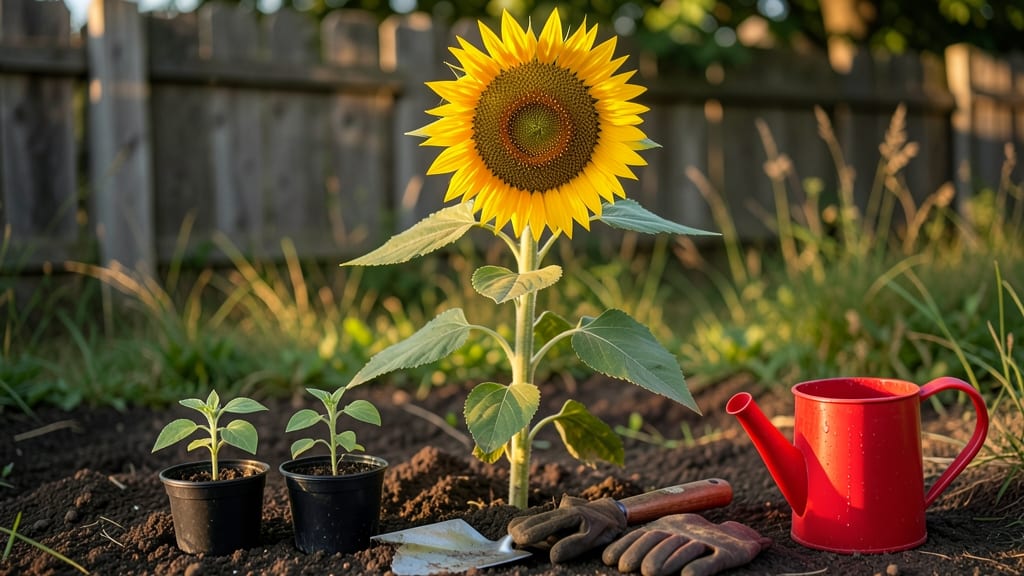
Planting sunflowers in North Texas isn’t just about dropping seeds in the dirt—it’s about timing them perfectly to beat the heat and avoid those sneaky late frosts.
With USDA Zone 8a summers that can hit 100°F by June, getting your 🌻 seeds in the ground too early means wilting before they even bloom, while waiting too long risks stunted growth.
Most gardeners here swear by planting between mid-March and early July, but the real magic happens in those first weeks after the last frost—usually around March 15.
That’s when soil warms up enough (at least 55°F) for seeds to sprout reliably, giving your sunflowers a head start before the Texas sun turns up the heat.
Here’s the game-changer: early spring varieties like dwarf sunflowers can handle cooler soil, while giant varieties need that warm-up period. And if you want continuous blooms all summer, succession planting every 2-3 weeks after the first frost is your secret weapon.
I’ll walk you through the exact dates, soil prep tricks, and heat-resistant varieties that actually thrive in our climate—so you can go from seed to sunlit 🌻 glory without the guesswork. Let’s get those sunflowers growing right!
North Texas sunflower planting calendar: exact start dates by heat Zone
Sunflowers in North Texas (USDA Zones 7b-9a) thrive when planted at the right time—too early and frost zaps tender seedlings, too late and summer heat stunts growth. The key is aligning your planting with soil warmth (minimum 55°F) and frost-free windows.
For most varieties, aim for mid-March through early July, but dwarf types can handle later starts. Let’s break down the exact deadlines by heat zone and variety type.
North Texas spans three microclimates with distinct frost risks: cooler Zone 7b (Dallas northward), transitional Zone 8a (Austin/DFW), and hotter Zone 9a (West Texas). Each requires tailored timing.
For example, Russian Giant sunflowers need a longer growing season (120 days) and must start earlier, while dwarf varieties like 'Teddy Bear' can tolerate late summer heat better. Below, I’ve mapped out your planting calendar by month and zone.
For Zone 7b gardeners, the March 15 average last frost date is your cue—but don’t rush! Test soil warmth with a soil thermometer (aim for 55°F+).
In Zone 8a, you can start as early as late February for heat-tolerant varieties like 'Moulin Rouge,' but save giant sunflowers for March. Meanwhile, Zone 9a growers enjoy a three-month head start: plant dwarf sunflowers in June for stunning fall color.
Pro tip: Use succession planting to extend blooms. Sow a new batch every 2-3 weeks from March through May. For example, plant 'Autumn Beauty' in early March for summer blooms, then repeat in late May for fall color. This ensures continuous pollinator support and cuts down on seed waste.
Transplanting sunflowers is tricky—they hate root disturbance. If you’re starting indoors, use biodegradable pots and transplant after soil warms (mid-April for most zones). For direct sowing, plant seeds 1 inch deep and 6 inches apart in rows 2 feet apart.
In Zone 9a, you can even try a fall planting (September) for winter blooms, though growth will slow with cooler temps.
Watch for early heatwaves, which can stress seedlings. If temperatures spike above 90°F before germination, provide shade cloth (30-50% coverage) until soil cools. Mulch with straw or grass clippings to retain moisture and regulate soil temperature. In
How to adjust planting for North Texas’ unpredictable weather patterns
North Texas’ weather can be a real wildcard—one day it’s freezing in April, the next it’s 100°F by June. For sunflowers, this means timing is everything.
The key is to plant when soil temps hit 55°F consistently, usually 2-3 weeks after the last frost (around March 15 for most areas). But if you’re planting late varieties, you’ll need to work around early summer heat to avoid bolting or wilting.
I’ve learned the hard way that early spring plantings (February–early March) are risky unless you use row covers or a greenhouse. Even then, a late frost can kill seedlings before they sprout.
The safest bet? Start seeds indoors in late February and transplant after April 1 when nighttime temps stay above 45°F. For direct sowing, wait until mid-April to be extra safe.
Here’s the catch: late summer plantings (June–early July) can still work for short-season varieties, but you’ll need to choose drought-tolerant types like ‘Autumn Beauty’ or ‘Moulin Rouge’. These handle the heat better than giant varieties, which bolt faster when stressed.
⚠️ callout warning ⚠️
⚠️ Late Frost Warning
North Texas’ April frosts are legendary—even after March 15. If you plant too early, a 28°F night can kill seedlings overnight. Always check the National Weather Service for frost advisories and keep emergency row covers ready. For extra protection, plant near warm microclimates like south-facing fences or black plastic mulch to raise soil temps by 5–10°F.
To beat the heat, I swear by mulching—a 3-inch layer of straw or wood chips keeps soil cooler by 10°F and retains moisture. For giant sunflowers, I also stake them early (around 3 feet tall) to prevent wind damage during summer storms.
And if you’re in West Texas, where droughts are harsher, drip irrigation is a game-changer—it delivers water directly to roots without wetting leaves, reducing fungal risks.
Companion planting is another trick I use to extend the season. Pair sunflowers with bush beans or marigolds—beans fix nitrogen in the soil, while marigolds repel pests like aphids. Avoid planting near potatoes or tomatoes, though, as they compete for nutrients and attract the same pests.
For succession planting, sow new seeds every 2–3 weeks from April through June to ensure continuous blooms all summer.
Finally, don’t forget to monitor soil moisture—sunflowers need 1–2 inches of water weekly, but deep watering every 5–7 days is better than frequent shallow watering. In peak summer, I water early in the morning to minimize evaporation and reduce fungal diseases.
With these adjustments, your sunflowers will thrive even in North Texas’ wildest weather.