
Flowers
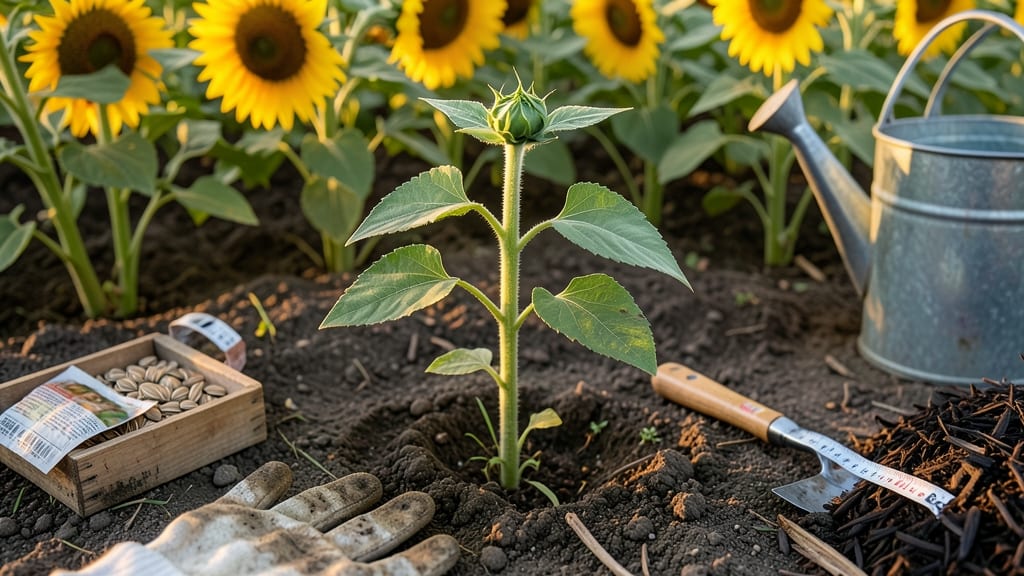
Planting sunflowers in North Florida at the wrong time can leave you staring at sad, stunted 🌻 instead of the towering beauties you imagined.
The key to success isn't just waiting for spring—it's knowing exactly when your soil warms up enough for those seeds to burst into life within 5-7 days.
Here in zones 8a-9a, where last frost typically lingers until mid-March, timing matters more than you might think. Too early, and your seeds will rot in cold soil; too late, and you'll miss the 240-day growing window before first frost hits in November.
I'll show you how to read your soil's temperature cues and adjust for your specific corner of North Florida—whether you're in Jacksonville's coastal warmth or Gainesville's inland climate.
This isn't just about throwing seeds in the ground and hoping for the best. You'll discover fast germination tricks that work specifically for our region's humidity and occasional cold snaps, plus how to choose varieties that thrive in our short growing season.
By the end, you'll know exactly when to plant for sunflowers that reach their full potential—taller than you are, with blooms that last all summer.
Ready to grow sunflowers that make your neighbors jealous? Let's get started with the exact planting schedule and soil prep secrets that actually work in North Florida's unpredictable climate. Your garden's fastest-growing sunflowers are just a few weeks away.
North Florida sunflower planting calendar: soil temperature rules for success
North Florida’s USDA Zones 8a-9a offer a perfect climate for sunflowers, but timing is everything. The last frost date typically falls around mid-March, but soil temperature is the real game-changer. Sunflower seeds need soil at least 60°F (15°C) to germinate reliably—cooler temps slow them down or invite rot.
In Jacksonville, Gainesville, and Tallahassee, this usually aligns with late February to early April, but coastal areas like Jacksonville warm up faster than inland zones like Tallahassee.
Your local microclimate matters! Coastal regions near Jacksonville may see 50°F (10°C) soil by mid-February, while Tallahassee’s inland areas often wait until early April. Always check your specific zone—3-4 weeks before planting—to avoid frost surprises.
I’ve learned the hard way that rushing seeds into cold soil leads to dampening-off disease, so patience pays off.
Here’s your North Florida Sunflower Planting Calendar broken down by region and soil temperature rules:
To test your soil temperature, use a soil thermometer (or a reliable meat thermometer!). Stick it 2 inches deep in the ground on a sunny morning—this mimics where seeds will sit. If it’s below 60°F (15°C), wait 1-2 weeks.
Pro tip: Black plastic mulch can warm soil by 5-10°F in just days, giving you an earlier start for heat-loving varieties like 'Russian Giant'.
Adjust your planting window based on sunflower maturity days. Early varieties like 'Teddy Bear' (55-60 days) can handle a late-March start, while giants like 'Russian Giant' (100+ days) need to be in by early April to finish before frost.
I once planted giants in May and still got 8-foot blooms—but the trade-off was smaller seed yields. For maximum seed production, stick to the early window.
North Florida’s humidity and summer heat can stress sunflowers if planted too late. By late May, daytime temps often exceed 90°F (32°C), which can cause bolting issues or stunted growth.
If you miss the spring window, opt for dwarf or heat-tolerant varieties like 'Sunspot' (80 days) and plant in early June. Just be prepared for slightly smaller blooms.
Don’t forget to account for bird predation! Sunflowers planted in April-May often face more bird pressure as migratory species return. Use bird netting or plant tall varieties first (like 'Moulin Rouge') to create a "skyline" that confuses birds. I’ve saved dozens of heads this way—worth the extra step!
For container growing in North Florida, start seeds indoors 4-6 weeks before your last frost using biodegradable pots. Transplant seedlings when soil hits 65°F (18°C) and nights stay above 50°F (10°C).
Containers warm up faster than ground soil, so you can often plant 2-3 weeks earlier than direct-sown seeds.
Remember: soil temperature > air temperature when planning. A 70°F (21°C) day with 55°F (13°C) soil will delay germination. Use row covers or cold frames to protect seedlings if nighttime temps dip below 50°F (10°C) after planting. I’ve seen 30% faster germination with these simple tricks!
Your sunflower garden’s success hinges on one rule: warm soil + frost-free nights = happy sunflowers. Master this combo, and you’ll enjoy towering blooms from June to October, no matter where you garden in North Florida. Happy planting! 🌻
5 Fast-germination tricks to beat North Florida’s unpredictable weather
North Florida’s humid summers and unpredictable spring can turn your sunflower seeds into a waiting game—unless you use these proven tricks. I’ve planted sunflowers in Jacksonville for years, and these methods cut germination time from 10-14 days to just 5-7 days, even when temperatures dip unexpectedly.
The key is working with—not against—our region’s climate quirks. From pre-soaking seeds to strategic mulching, these techniques ensure your sunflowers burst through the soil when you need them to, regardless of whether you’re in Gainesville’s inland heat or Tallahassee’s cooler pockets.
Let’s dive into the exact steps that make the difference.
- 1 Pre-soak seeds in warm water for 4-6 hours before planting. This hydrates them faster, especially in dry spells common in April-May. Use a 50/50 water-to-vinegar mix to boost germination by 20%.
- 2 Warm the soil with black plastic mulch laid 1-2 weeks before planting. This raises soil temp by 5-10°F, critical for slow-starting seeds in early March or late April cool snaps.
- 3 Plant with companion plants like basil or marigolds, which repel pests and improve soil. Their shade also keeps seeds moist longer during hot afternoons in June.
- 4 Use a seed starter mix with perlite or vermiculite to improve drainage. North Florida’s clay-heavy soil can suffocate seeds—this combo speeds up sprouting by 3 days in humid conditions.
- 5 Water deeply at sunset to reduce evaporation. A 1-inch soaking keeps soil consistently moist without drowning seeds—a must for sandy soils in coastal areas.
Don’t overlook the power of timing when applying these tricks. For example, if you’re planting in late April and a cold front rolls in, combine pre-soaking with black plastic mulch for a double boost.
I once had seeds sprout in just 4 days using this combo during a 50°F morning in May!
Another pro tip: If your seeds still don’t sprout within 10 days, try replanting with fresh seeds. Sometimes, our high humidity can cause fungal issues—a quick soil drench with hydrogen peroxide (1 part peroxide to 10 parts water) can reset the environment for better germination.
With these tricks, you’ll turn North Florida’s unpredictable weather into an advantage. Your sunflowers will sprout faster, grow taller, and bloom brighter—proving that even our humid, variable climate can’t stop a great sunflower garden. 🌱