
Plants
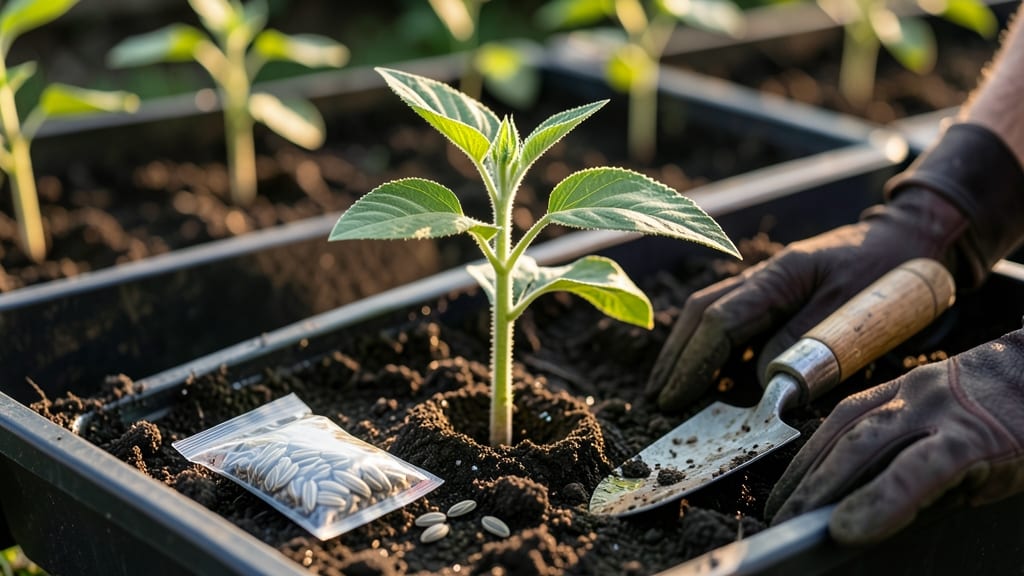
Planting sunflower seeds in Oklahoma at the wrong time can mean the difference between towering 🌻 blooms and wilted disappointment—so timing is everything.
The key isn’t just avoiding frost, but waiting for soil temperatures to hit that sweet spot of 55°F or warmer, which varies wildly across the state’s USDA Zones 6b-8a.
Whether you're in the panhandle’s dry heat or eastern Oklahoma’s humid forests, getting this right ensures your sunflowers grow strong and tall.
I’ve learned the hard way that Oklahoma’s unpredictable spring weather can throw off even the best-laid plans. One year, I planted too early in the panhandle and watched my seeds rot in cold soil, while another year, late planting in the east meant my sunflowers never reached their full height.
The secret? Checking soil—not air—temperature and adjusting for your specific microclimate.
In this guide, I’ll break down the exact frost-free windows, soil temperature thresholds, and regional adjustments you need to know. You’ll discover when to start seeds indoors (if you’re brave enough) versus direct sowing outdoors, plus how to handle those tricky early-season heat spikes that can fool even experienced gardeners.
By the end, you’ll have a clear calendar tailored to your corner of Oklahoma—so you can finally grow those sunflowers as tall as a basketball hoop without the guesswork. Let’s get those seeds in the ground at the perfect moment!
Oklahoma sunflower planting calendar: frost dates & ideal timeframes by region
Timing is everything when planting sunflower seeds in Oklahoma, where average last frost dates vary dramatically from the panhandle's USDA Zone 7b to the eastern forests' Zone 8a.
In the panhandle, you can start as early as mid-March, while eastern Oklahoma gardeners should wait until mid-April to avoid late spring frosts that can devastate young seedlings.
For consistent germination, soil temperatures must reach at least 55°F—not air temperature. In northern Oklahoma, this often means waiting until late April, while southern regions can plant as early as early April.
Always check soil temperature with a thermometer to avoid false starts from warm air but cold soil.
Direct sowing is the easiest method for Oklahoma gardeners. Start seeds 1/2 inch deep and 12 inches apart once soil warms. For transplanting, begin indoors 4-6 weeks before your last frost date, but harden off seedlings carefully to prevent transplant shock in Oklahoma's unpredictable spring weather.
Here’s your region-specific planting calendar to maximize sunflower blooms and seed production:
| Region | Avg. Last Frost | Soil Temp. Threshold | Direct Sowing Window | Transplant Window |
|---|---|---|---|---|
| Panhandle (Zone 7b) | Mid-March | 55°F (Mid-April) | Mid-April to May 15 | March 15-April 1 |
| Central OK (Zone 7a) | Late March | 55°F (Late April) | Late April to June 1 | March 20-April 15 |
| Eastern OK (Zone 8a) | Mid-April | 55°F (Early April) | Early April to June 15 | March 1-April 10 |
For microclimates like sheltered valleys or urban heat islands, adjust planting by 1-2 weeks earlier. In wooded areas, wait 1 week later due to slower soil warming. Always monitor weather forecasts for late frosts, especially in northern Oklahoma.
Sunflowers thrive with full sun exposure, so choose south-facing beds for maximum growth. In Oklahoma’s hot summers, provide afternoon shade for dwarf varieties to prevent wilting. Mulch with straw or grass clippings to retain moisture and regulate soil temperature.
If you miss the spring planting window, Oklahoma’s long growing season allows for late summer sowings (July-August) for fall blooms. Just ensure seeds germinate before first frost, typically mid-October in northern regions and November in the south.
Pro tip: Use black plastic mulch to warm soil faster in early spring. This can shave 2-3 weeks off your planting timeline, especially in cooler microclimates. Just remove it once soil reaches 70°F to avoid overheating.
For container gardening, start seeds in biodegradable pots 4-6 weeks before last frost. Place containers in full sun and water deeply when the top 1 inch of soil feels dry. Dwarf varieties like 'Teddy Bear' thrive in containers, while tall varieties need 18-inch-deep pots.
Remember: Oklahoma’s unpredictable weather means flexibility is key. Keep row covers handy for late frosts and drought-resistant varieties like 'ProCut' for water-scarce summers. With the right timing, your sunflowers will reward you with vibrant blooms and abundant seeds all season long! 🌻
How soil temperature affects sunflower germination in Oklahoma’s climate
Sunflower seeds need consistent soil temperatures of 55°F or warmer to germinate properly, but Oklahoma’s spring weather can be a real trickster. While air temperatures might feel warm, the soil often stays too cool for those seeds to sprout.
I’ve seen this firsthand—planting too early in my Oklahoma City garden led to seeds sitting dormant for weeks, only to finally pop up when summer heat arrived.
This delay isn’t just frustrating; it shortens the growing season, meaning your sunflowers might not reach their full 10-foot height potential. The key is understanding that soil warms 3-5°F slower than air, especially in Oklahoma’s clay-heavy soils.
That’s why checking soil temperature with a soil thermometer (not just the weather forecast) is non-negotiable for successful germination.
Oklahoma’s climate adds another layer of complexity. The panhandle’s dry heat can create false warm fronts where air temps spike but soil stays cool, while eastern Oklahoma’s humidity keeps soils damp and slow to warm.
Both scenarios can stall germination. The solution? Wait for consistent warmth—not just a single warm day—and monitor your soil closely.
⚠️ WARNING: Common Mistake That Kills Sunflower Starts Planting sunflower seeds too early—even if frost danger has passed—can lead to rotten seeds and mold. Cold, wet soil creates the perfect conditions for fungal diseases like damping-off, which can wipe out entire seed trays before sprouts even appear.
I’ve lost three batches of seedlings this way, and I won’t make that mistake again. The rule of thumb? Never plant sunflowers until soil hits 55°F for at least 5 consecutive days. Use a soil thermometer to check—don’t guess!
To troubleshoot cold soils, try these proven methods:
- Use black plastic mulch (lay it down 1-2 weeks before planting) to absorb heat
- Plant in raised beds—they warm up 2-3 weeks faster than in-ground soil
- Cover seeds with row covers after planting to create a microclimate
- Choose faster-maturing varieties like ‘Teddy Bear’ (60 days) if you’re pushing early starts
Row covers are my secret weapon for early planting. I’ve used them in late April in northern Oklahoma to extend the season by 2-3 weeks. The covers trap heat during the day and protect young seedlings from late frosts at night.
Just remember to remove them once true leaves appear to prevent overheating. For southern Oklahoma, where soil warms earlier, you can start as early as mid-March, but still verify soil temps first.
Once your soil hits that 55°F threshold, germination typically occurs within 7-14 days. Keep seeds consistently moist (not soggy) during this period, and avoid disturbing the soil. With the right conditions, you’ll see those first cotyledons pushing through the dirt—proof you’ve timed it just right.
And trust me, there’s nothing more rewarding than watching sunflowers grow from tiny seeds to giant garden sentinels in just a few months.