
Plants
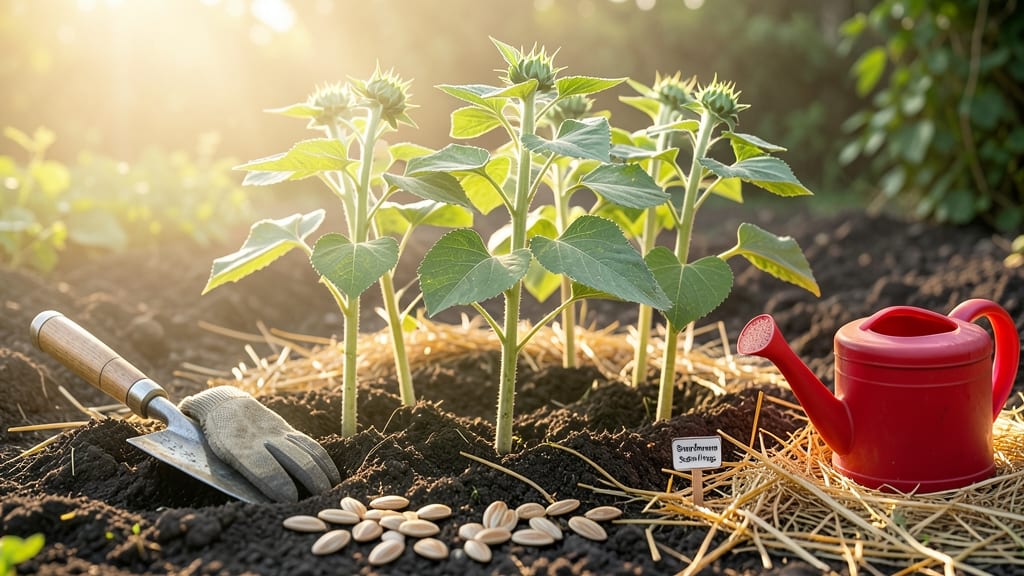
Planting sunflower seeds in Southern California might seem simple—after all, frost isn’t a concern—but timing can make or break your towering 🌻 sunflowers. The difference between coastal breezes and inland heat means your ideal window could be weeks apart, and getting it wrong risks stunted growth or missed blooms entirely.
I’ve grown sunflowers in 9b-11 zones for years, and the key isn’t just the calendar—it’s understanding your microclimate. Coastal areas like San Diego can handle early spring plantings, while inland spots near Palm Springs need to wait until late winter to avoid heat stress.
Let me break down the exact months and tricks to ensure your sunflowers reach their full potential.
Whether you’re sowing seeds directly or starting indoors, the right timing maximizes your harvest window—think summer to early fall blooms that last 60-90 days.
We’ll cover everything from soil prep to variety selection, so you can avoid common mistakes and enjoy sunflowers that rival the 10-foot giants you’ve always dreamed of.
Ready to turn your garden into a sunflower haven? Let’s dive into the precise coastal vs. inland schedule that’ll have your plants thriving—and your neighbors asking for tips.
Southern California sunflower planting calendar: coastal vs inland timing differences
Southern California’s diverse microclimates create dramatic differences in sunflower planting success. Coastal areas like Los Angeles and San Diego enjoy milder winters with occasional coastal fog delays, while inland desert-adjacent zones like Riverside and Palm Springs experience earlier heat waves and faster growth cycles.
Understanding these differences ensures your sunflowers reach their full 10-16 foot potential without heat stress or stunted growth.
Sunflowers (Helianthus annuus) are frost-free year-round in most of Southern California, but optimal planting windows vary by USDA zones 9b-11. Coastal regions benefit from late winter starts (January-February), while inland areas can push planting into early spring (March-April) to avoid premature bolting.
Let’s break down the month-by-month planting calendar tailored to your location’s unique conditions.
Key timing factors to consider include:
- Coastal fog delays germination in San Diego and Santa Barbara
- Inland heat waves can stress young plants in Palm Springs and Riverside
- Daylength sensitivity affects flowering time across all regions
- Soil moisture retention differs between sandy inland soils and loamy coastal gardens
| Month | Coastal Regions (LA, SD, SB) | Inland Regions (RS, PS, Victorville) | Notes |
|---|---|---|---|
| January | ✅ Ideal planting | ✅ Ideal planting | Cool nights, minimal heat stress; coastal fog may delay germination 3-5 days |
| February | ✅ Ideal planting | ✅ Ideal planting | Peak coastal planting; inland areas can start early varieties now |
| March | ⚠️ Last month for early blooms | ⚠️ Critical window | Coastal: Risk of heat stress by late March; inland: Best time for succession planting |
| April | ❌ Avoid (too hot) | ✅ Last chance for summer blooms | Coastal: Use shade cloth; inland: Choose heat-tolerant varieties like 'Moulin Rouge' |
| May | ❌ Avoid (peak heat) | ❌ Avoid (extreme heat) | Both regions experience 100°F+ temperatures; consider container growing with afternoon shade |
| June-August | ✅ Succession planting possible | ✅ Succession planting possible | Use dwarf varieties (1-3 ft) for containers; provide daily afternoon shade |
| September | ⚠️ Risk of bolting | ⚠️ Risk of bolting | Longer days may trigger premature flowering; choose late-maturing varieties |
For coastal gardeners, the January-February window provides the best balance of cool nights and adequate daylight for strong stem development. In San Diego County, expect 3-5 extra days for germination due to coastal fog, so start seeds indoors 2-3 weeks earlier if desired.
The last safe planting date is typically late February to avoid heat stress before the summer solstice.
Inland areas like Riverside and Palm Springs can push planting into early March for summer blooms, but be prepared for rapid growth cycles. The Desert Sun variety thrives here with its heat-tolerant genetics, reaching maturity in just 60-70 days compared to standard varieties' 75-90 days.
For late summer planting, choose dwarf varieties like 'Teddy Bear' that mature in 50-60 days and handle 110°F+ temperatures better.
Both regions should avoid planting after <
How to adjust sunflower planting for Southern California’s microclimates
Southern California’s microclimates can turn a simple sunflower planting into a game of hit-or-miss if you’re not strategic. In Santa Barbara’s coastal fog, for example, early plantings can languish, while San Bernardino’s inland heat might scorch seeds sown too soon.
The key is adapting your approach to your specific zone—whether that means using shade cloth or choosing heat-tolerant varieties.
I’ve learned the hard way that one-size-fits-all advice fails here. Urban heat islands like Los Angeles can be 10°F hotter than nearby coastal areas, and even a 100-foot elevation change can shift your ideal planting window by weeks. Let’s break down the practical adjustments to ensure your sunflowers thrive year-round.
🌱 5 Critical Adjustments for Southern California Sunflowers
- Soil Prep: Amend heavy coastal soils with compost to improve drainage, while inland areas benefit from sand or perlite to prevent compaction.
- Shade Cloth: Use 30-50% shade cloth for early plantings in heat zones (9b-11) to protect young seedlings from intense sun.
- Succession Planting: Sow seeds every 2-3 weeks from January to March to extend blooms through summer and early fall.
- Variety Selection: Plant early-maturing varieties (e.g., 'Teddy Bear') in inland areas and tall varieties (e.g., 'Russian Giant') in coastal zones with cooler nights.
- Watering Schedule: Deep-water coastal plants weekly but reduce to bi-weekly for inland gardens once established.
For transitional zones like Santa Barbara or San Bernardino, I recommend starting with dwarf varieties (3-6 feet) to avoid wind damage from coastal breezes or heat stress inland. These varieties also mature faster, giving you a harvest window even if your timing isn’t perfect.
If you’re in an urban heat island, like parts of Los Angeles, prioritize late winter plantings (February-March) and use mulch to retain moisture. I’ve seen sunflowers in these areas bolt prematurely when planted too early, so patience pays off—wait until soil temperatures exceed 60°F before sowing.
Don’t overlook succession planting as your secret weapon. By staggering plantings every 3 weeks, you’ll enjoy continuous blooms from June through October. This works especially well for coastal gardens, where cooler nights slow growth but extend the season.
Finally, monitor your sunflowers closely for heat stress signs like yellowing leaves or drooping stems. In inland areas, a light morning watering can make all the difference during summer heat waves.
With these adjustments, your sunflowers will reach their full potential—whether you’re growing 10-foot giants or cheerful dwarf varieties.