
Plants
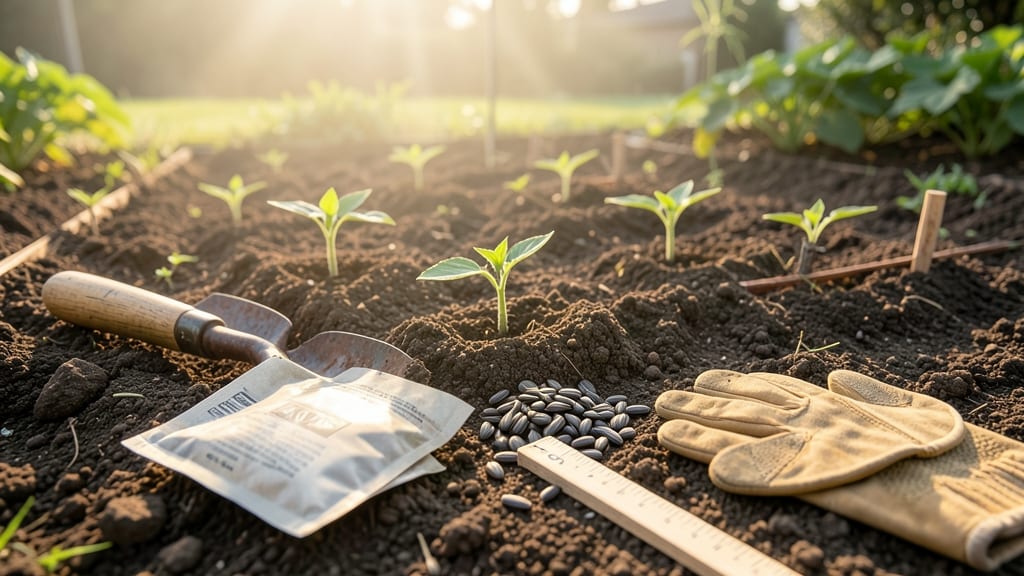
Planting sunflower seeds in Wisconsin at the wrong time can mean watching your 🌻 dreams wilt before they even bloom. The key to success isn't just following a generic calendar—it's understanding your county's frost patterns, soil warmth, and the specific needs of your sunflower variety.
With Wisconsin's 4b-5a climate, you've got just a narrow window between mid-April and late June to get those seeds in the ground after the last frost.
But here's the catch: northern counties like Door County face frost risks weeks after southern areas like Milwaukee, and soil temperature plays just as big a role as the date on your calendar.
I'll walk you through exactly when to plant in your specific corner of Wisconsin, how to tell when your soil is actually ready, and which sunflower varieties thrive best in our unpredictable growing season. No more guessing—just reliable, county-specific deadlines to ensure your sunflowers reach their full 10-foot glory.
Whether you're a first-time gardener or a seasoned pro, these insights will help you avoid common mistakes and get your sunflowers off to the fastest, most successful start. Let's make this your best growing season yet!
Wisconsin’s sunflower planting deadlines by county: avoid frost zones with exact dates
Wisconsin’s frost dates vary dramatically from southern Milwaukee to northern Door County, creating a 6-week difference in planting windows. Sunflowers (Helianthus annuus) need warm soil (at least 50°F) and frost-free conditions to thrive.
Plant too early, and frost will kill seedlings; too late, and you’ll miss summer blooms. My county-by-county guide ensures you pick the perfect window for your sunflower variety—whether early-blooming 'Teddy Bear' or towering 'Russian Giant'.
Sunflowers are fast growers (60–120 days to maturity), but Wisconsin’s last frost dates shift from mid-April in southern counties to early June in the Northwoods. Use these USDA Zone 4b–5a guidelines to align your planting with soil warmth and frost risks.
Pro tip: Check your local Wisconsin State Climatology Office for weekly frost forecasts—they’re your best early-warning system.
Southern Wisconsin (e.g., Milwaukee, Madison, Racine) offers the earliest planting windows, while northern regions (e.g., Ashland, Bayfield) require late-June starts for late varieties. Even within counties, microclimates matter: Lakeside areas (like Door County) stay cooler longer, delaying planting by 1–2 weeks compared to inland zones. Below, I’ve mapped out exact deadlines for early, mid, and late-season sunflowers based on historical frost data and gardener reports.
For southern Wisconsin, early varieties like 'Autumn Beauty' (60 days) can be sown as soon as soil reaches 50°F—often by late April. In Milwaukee, I’ve planted 'Moulin Rouge' by May 1 and still harvested by September.
Meanwhile, northern Door County gardeners should wait until June 1 for early varieties to avoid late-spring frosts that can blacken leaves overnight.
If you’re in USDA Zone 4b (e.g., Ashland or Rhinelander), prioritize late-maturing varieties like 'Russian Giant' (120 days). These giants need the full growing season to reach their 12-foot heights. I’ve seen frost damage on
3 Critical factors that determine your sunflower planting window in Wisconsin
Getting your sunflower seeds in the ground at the right time in Wisconsin means paying attention to three key factors: soil temperature, frost-free dates, and your sunflower variety's maturity timeline.
These three elements work together to create your perfect planting window—one that ensures your sunflowers grow tall and strong before the first frost arrives.
First, your soil needs to reach at least 55°F for sunflower seeds to germinate properly. Cold soil slows down growth, leaving your plants vulnerable to late frosts. Second, you must know your county's average last frost date, which can vary by weeks across Wisconsin.
Finally, different sunflower varieties mature in 60 to 120 days, meaning you'll need to adjust your planting date based on when you want to harvest.
- Soil Temperature: Wait until soil reaches 55°F (use a soil thermometer). Cold soil delays germination and weakens young plants.
- Frost-Free Date: Plant after your county's last frost (check USDA Plant Hardiness Zone Map or local reports). Northern WI waits until mid-May, while southern WI can start in early May.
- Sunflower Maturity: Early varieties (60 days) plant in late April-early May. Tall varieties (120 days) need early May planting to avoid frost.
To find your exact frost-free date, check resources like the Midwestern Regional Climate Center or your local UW-Extension office. These provide county-specific data that accounts for Wisconsin's microclimates.
For example, Milwaukee County typically sees its last frost around May 10th, while Door County may wait until May 25th.
Once you've confirmed your frost-free date, calculate backward using your sunflower variety's days to maturity. For instance, if you're growing a 90-day variety and your frost date is October 15th, you should plant by July 15th to ensure a full growing season.
Always err on the earlier side—sunflowers grow faster in warm weather, and a late start can mean smaller blooms.
Don't forget to monitor weekly weather forecasts in the weeks leading up to your target planting date. A sudden cold snap can push back your window, so have a backup plan for extending your season with row covers or choosing cold-hardy varieties like 'Autumn Beauty.'
By focusing on these three factors—soil warmth, frost dates, and maturity timelines—you'll give your sunflowers the best possible start. With the right timing, you'll be rewarded with towering stems and vibrant blooms that brighten up Wisconsin's summer landscape. 🌻