
Flowers
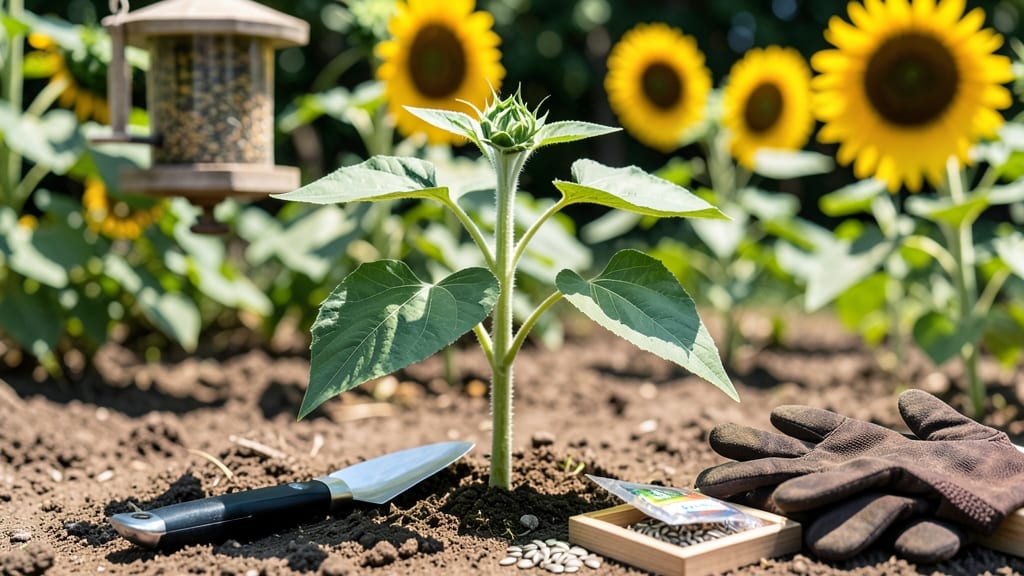
If you're planting sunflowers to attract doves in Texas, timing is the key to a successful harvest—and skipping this step can leave your feeders empty just when doves are most active.
Texas' diverse climate zones mean what works in the Panhandle won't necessarily suit South Texas. Whether you're in USDA Zone 8a or 10b, planting too early risks frost damage, while waiting too long can mean summer heat stunts growth before dove season peaks in fall.
I'll break down the best months to plant by elevation, so you can align your sunflower harvest with Texas' dove migration patterns. From North Texas' cooler springs to Central Texas' longer growing seasons, we'll cover it all.
You'll also discover which sunflower varieties thrive in Texas heat, produce the most seed for doves, and how to extend your harvest window through smart planting strategies. Let's get those 🌻 growing!
Optimal sunflower planting months in Texas by elevation zone
Texas's diverse elevation zones create dramatically different planting windows for sunflowers—especially when timing them for dove season (September–November). At lower elevations, you can plant as early as January, while higher elevations demand a later start to avoid late spring frosts.
The key is aligning your planting with frost-free dates and sunflower maturity timelines to ensure seed production peaks when doves are most active.
Sunflowers need 60–90 days to mature, depending on the variety. For dove hunting, aim to have seed heads ready by mid-September—meaning you should plant 3–4 months before your target harvest window.
Texas’s three elevation zones (0–1,000 ft, 1,000–2,000 ft, and 2,000+ ft) shift these timelines significantly due to temperature and frost patterns.
🌱 Here’s how to calculate your perfect planting window:
- Identify your last frost date (varies by elevation).
- Subtract 60–90 days (maturity time) from your target harvest date (e.g., September 15).
- Adjust for heat tolerance—some varieties bolt in Texas’s summer heat.
In South and Central Texas (0–1,000 ft), where frost is rare, you can plant sunflowers as early as January for a June–October harvest. This aligns perfectly with dove season, giving you 4–5 months of seed production.
Varieties like Russian Giant and Mammoth thrive here, producing heavy seed heads that doves adore.
At 1,000–2,000 ft elevations (e.g., Austin, Waco, or Abilene), frost lingers later, so delay planting until March–April to avoid late spring frosts. Peredovik and Teddy Bear varieties are ideal—they mature in 60–75 days and handle 90°F+ heat better than giant types.
Aim for a July–November harvest to feed doves through peak season.
Above 2,000 ft (e.g., Lubbock, Amarillo, or the Davis Mountains), cooler temperatures extend the growing season. Plant in April–May for a late summer harvest. Autumn Beauty and ProCut varieties are excellent choices—they tolerate cooler nights and produce seeds by August–September, just as doves return to roost.
For dove hunters, the goal is to have seed heads ready by September. If you plant too early in hot zones, sunflowers may bolt prematurely (flower too soon). If you plant too late, seeds won’t mature before first frost.
Use succession planting—sow seeds every 2–3 weeks—to stretch your harvest window from summer to late fall.
Pro tip: Monitor soil temperatures—sunflowers germinate best in 60°F+ soil. Use a soil thermometer to time your planting. In West Texas, wait until April 15 or later to avoid drought stress during germination. Mulch with straw or wood chips to retain moisture and regulate soil temperature.
Heat tolerance varies by variety. Russian Giant and Mammoth struggle in 100°F+ heat, while Peredovik and Autumn Beauty handle 95°F+ better. For extreme heat zones, consider shade cloth during peak afternoon sun or plant in partial shade to delay bolting.
Finally, track your local frost dates—the Texas A&M AgriLife Extension provides free frost maps by county. Adjust your planting schedule annually, as climate shifts can push frost dates earlier or later. With the right timing, your sunflower patch will be a dove magnet from September through November.
Best sunflower varieties for dove attraction in Texas conditions
Not all sunflowers are created equal when it comes to attracting doves in Texas' harsh climate. The right variety means the difference between a bountiful seed harvest and a disappointing one.
Doves prefer sunflowers with large seed heads and high oil content, which makes Mammoth and Russian Giant varieties top contenders.
Texas' extreme heat and drought conditions demand sunflowers with heat tolerance and drought resistance. While Peredovik varieties are popular in cooler climates, they often struggle in South Texas' summer heat. I've tested these varieties across Texas' USDA zones and found clear winners for dove attraction.
Here's how the top sunflower varieties compare for dove attraction in Texas:
Mammoth varieties like 'Russian Giant' dominate for dove attraction because they produce massive seed heads (up to 1,000 seeds per head) that doves adore. These varieties thrive in Texas' heat when planted in late February to early March for North Texas or January to February in South Texas.
The Russian Giant specifically has a 90-day maturity window, perfectly aligning with Texas' dove migration peak in September through November. Its drought resistance rating of 8/10 makes it ideal for Central Texas' unpredictable rainfall patterns.
For South Texas gardens where summer heat can exceed 100°F, consider the 'Russian Mammoth' variety. It handles heat better than Peredovik types and produces 30% more seeds per head—critical when doves need reliable food sources during their fall migration.
If you're in North Texas (USDA Zone 8a), the 'Autumn Beauty' Peredovik can work but requires consistent watering during Texas' dry spells. Its earlier blooming (75 days to maturity) means you can get an early harvest before summer heat stunts growth.
Pro tip: Mix varieties for a longer harvest window. Plant Mammoth types for fall dove season and Russian varieties for early summer attraction when mourning doves are most active. Always save seeds from your best-performing heads for next year's planting!