
Flowers
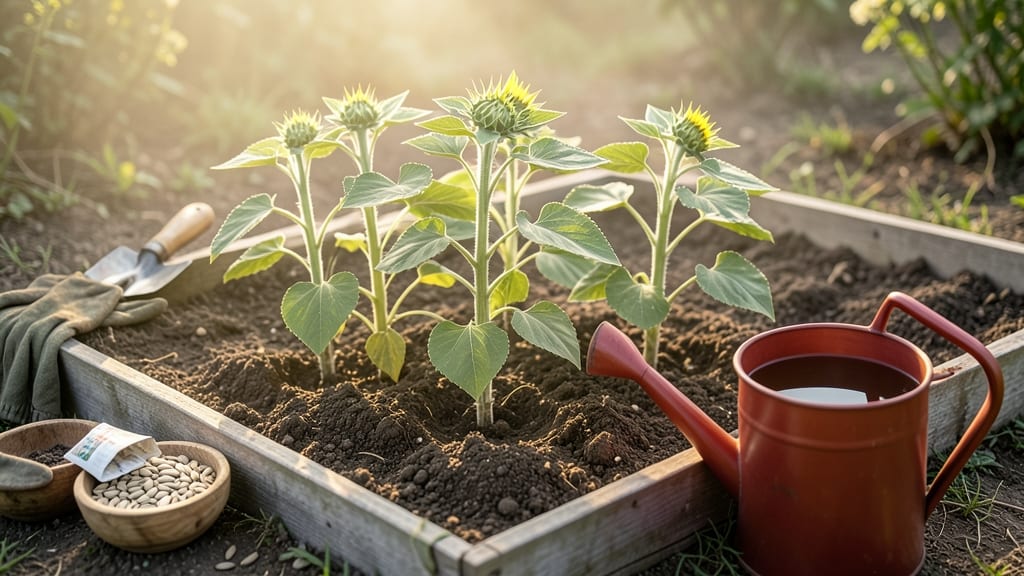
Planting sunflowers in Florida year-round is possible, but timing makes all the difference between vibrant blooms and stunted growth. The key is understanding your region’s microclimate—whether you’re in frost-prone North Florida or frost-free South Florida—to maximize those towering 🌻 stalks without wasting seeds.
Most gardeners assume sunflowers only thrive in spring, but Florida’s 8a-11 zones let you plant almost any month. I’ll show you the exact windows for each region, including how to beat heat stress and humidity to keep your sunflowers reaching their full 10+ foot potential.
Ready to skip the guesswork? You’ll learn which months avoid Florida’s unpredictable weather pitfalls, how to prep soil for fast growth, and whether to direct-sow or start indoors. Let’s get those seeds in the ground the right way.
From the Panhandle’s cooler winters to Miami’s scorching summers, these strategies ensure your sunflowers bloom faster and last longer—no frost damage, no wasted effort. Let’s dive in.
Florida sunflower planting calendar: best months by region
Florida’s three distinct climate zones create unique planting windows for sunflowers. While North Florida (Panhandle) faces occasional frost, Central Florida enjoys mild winters, and South Florida remains frost-free year-round. Timing your sunflower seeds correctly ensures vibrant blooms without heat stress or premature bolting.
Sunflowers thrive in warm soil (60°F+), so spring and fall are ideal seasons. However, Florida’s humidity and heat demand adjustments—like shade cloth in summer and mulching in winter—to protect delicate seedlings. Let’s break down the best planting months for each region to maximize your sunflower harvest.
| Region | Spring Planting | Fall Planting | Soil Prep | Heat Tips |
|---|---|---|---|---|
| North Florida (Panhandle) | March–April (After last frost) |
September–October (Before first frost) |
Amend with compost; test pH (6.0–7.5) | Use shade cloth in summer; mulch in winter |
| Central Florida | February–May (Year-round possible) |
August–November (Avoid hurricane season) |
Loosen soil; add organic matter | Water deeply in summer; choose heat-tolerant varieties |
| South Florida | January–June (No frost risk) |
July–December (Year-round planting) |
Drainage-focused; raise beds if needed | Provide afternoon shade; mulch to retain moisture |
In North Florida, where frost can dip below 32°F as late as January, focus on spring planting (March–April) after the last frost date. For fall blooms, sow seeds by September to ensure flowers mature before first frost (early December).
Amend clay-heavy soils with compost to improve drainage.
Central Florida’s milder winters allow year-round planting, but avoid hurricane season (June–November) for fall sowings. Plant dwarf varieties like ‘Teddy Bear’ in summer months to prevent heat stress. Use mulch to regulate soil temperature and retain moisture during Florida’s hot, dry spells.
South Florida’s tropical climate means sunflowers can bloom anytime, but summer heat (above 90°F) can stunt growth. Plant shade-tolerant varieties like ‘Autumn Beauty’ in July–August and provide afternoon shade with 30% shade cloth. Well-draining soil is critical to prevent root rot in the humid climate.
For all regions, direct-sow seeds ½–1 inch deep, 6–12 inches apart, depending on the sunflower variety. Transplants struggle in Florida’s heat, so starting from seed is ideal. After germination, thin seedlings to 18–24 inches apart for standard varieties or 12 inches for dwarf types.
Monitor soil moisture closely—Florida’s humidity can cause fungal diseases like powdery mildew. Water deeply in the morning to reduce fungal risk and apply mulch to keep roots cool. In summer months, consider drip irrigation to avoid wetting foliage.
Pro tip: Fall-planted sunflowers in North Florida often produce larger blooms because cooler temperatures slow bolting. In South Florida, winter planting (December–February) yields vibrant spring flowers without summer heat stress. Experiment with successive plantings every 2–3 weeks for continuous blooms.
Remember, sunflowers love heat, but Florida’s intense summers can be overwhelming. Adjust your planting schedule based on local microclimates—coastal areas stay cooler than inland zones. With the right timing and care, your sunflowers will reach towering heights and brighten your garden year-round.
🌻
How to extend sunflower blooming seasons in Florida’s heat
Florida’s summer heat can turn your sunflowers into wilted shadows if you don’t act fast. The key is strategic shade, smart watering, and heat-tolerant varieties—all while keeping your plants hydrated without drowning them.
I’ve grown sunflowers in 90°F+ heat for years, and these methods keep them blooming for months instead of weeks.
First, choose your sunflower varieties wisely. Heat-resistant types like ‘Moulin Rouge’ (deep red petals) and ‘Autumn Beauty’ (multi-colored) handle Florida’s heat better than ‘Russian Giant’, which bolts quickly in summer. Pair them with companion plants like marigolds or cosmos to reflect excess heat and deter pests.
📌 Styled List: Heat-Proofing Your Sunflowers
- 🌡️ Shade Cloth Timing: Install 30-50% shade cloth when temps hit 95°F+. Remove it by 4 PM to let them soak up sunlight for evening growth.
- 💧 Irrigation Schedule: Water deeply every 3-4 days at soil level (not overhead). Use drip irrigation to avoid fungal diseases from humidity.
- 🌱 Companion Planting: Surround sunflowers with basil or nasturtiums to improve air circulation and deter aphids. Avoid planting near tomatoes, which compete for nutrients.
- 🌱 Soil Prep: Mix compost and perlite into your soil to improve drainage. Sunflowers hate soggy roots, so raise beds if your yard stays damp.
- ✂️ Deadheading: Snip wilted blooms to encourage secondary flowering. This keeps your plants producing new buds instead of focusing energy on seed heads.
Don’t forget to mulch with straw or wood chips to retain moisture and regulate soil temperature. I’ve seen sunflowers in South Florida bloom from June to November using these tricks—even during hurricane season. Just avoid planting in August, when humidity spikes and fungal diseases like powdery mildew thrive.
For a post-planting care checklist, mark these off as you go: ☑️ Week 1: Test soil moisture daily—sunflowers wilt fast in heat. ☑️ Week 3: Apply balanced fertilizer (5-10-10) if growth stalls. ☑️ Week 6: Prune lower leaves to improve airflow and reduce disease risk. ☑️ Ongoing: Monitor for spider mites (common in dry heat) and treat with neem oil.
With these strategies, your sunflowers will thrive year-round, turning your Florida garden into a sun-soaked spectacle—no frost, no fuss. Just heat-smart gardening and happy blooms.