
Flowers
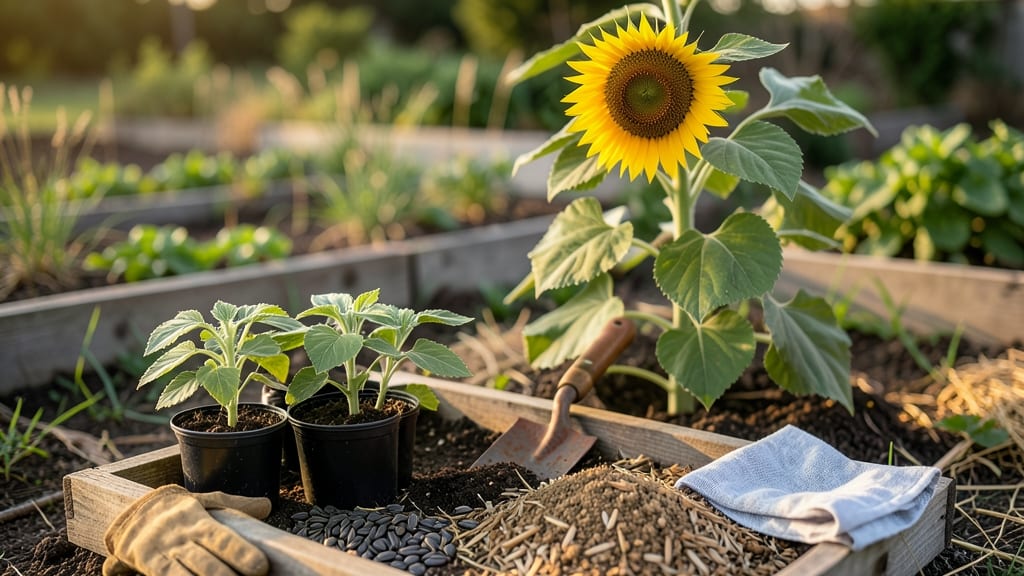
When to plant sunflowers in Maine can make the difference between towering blooms and a sad, stunted garden—especially when frost sneaks in earlier than expected. Most gardeners wait until after the last frost date, but with Maine’s 5b-6b climate, that window is narrower than you’d think.
If you’ve ever planted sunflowers only to watch them wilt before summer’s peak, you’re not alone. The key is knowing when soil warms enough to support fast growth, which in Maine typically means waiting until mid-May for most regions.
But coastal areas can plant earlier, while inland spots may need to hold off until June.
In this guide, I’ll break down the exact frost-free windows for your part of Maine, plus pro tips for extending your sunflower season—whether you’re direct-sowing seeds or transplanting starts. You’ll also discover which varieties thrive in Maine’s short summers and how to space them for maximum impact.
Ready to grow sunflowers that reach their full potential? Let’s dive into the frost-date calculator and planting strategies that actually work for Maine gardens.
Maine’s sunflower planting zones: frost dates by region
Maine’s diverse climate creates three distinct sunflower planting zones, each with unique frost patterns. From the chilly USDA Zone 4 in Aroostook County to the milder Zone 6 near Portland, understanding these variations ensures your sunflowers thrive.
The key? Planting after the last average frost date—typically May 15 in southern Maine and June 1 in the north.
Sunflowers need at least 70 days to mature, so timing is everything. In northern Maine, start seeds indoors in April or use cold-tolerant varieties like 'Autumn Beauty' that handle cooler soils.
Southern regions can direct-sow as early as late April, but always check your local frost data—Maine’s weather can shift 10-14 days earlier or later than average.
Here’s the critical breakdown of Maine’s frost-free windows by region, including spring and fall planting windows for sunflowers:
| Region | USDA Zone | Last Frost Date | First Frost Date | Spring Planting Window | Fall Planting Window |
|---|---|---|---|---|---|
| Northern Maine (Aroostook, Presque Isle) | 4a-5a | June 1 - June 15 | September 15 - October 1 | May 20 - June 10 | August 1 - August 15 |
| Central Maine (Augusta, Bangor) | 5a-5b | May 15 - May 30 | September 15 - September 30 | May 1 - May 20 | July 15 - August 1 |
| Southern Maine (Portland, Kittery) | 6a-6b | May 1 - May 15 | October 1 - October 15 | April 20 - May 10 | July 1 - July 15 |
| Coastal Maine (Bar Harbor, Camden) | 5b-6a | May 10 - May 20 | September 20 - October 5 | April 25 - May 15 | July 10 - July 25 |
Use this frost-date calculator to pinpoint your exact window: Check the National Weather Service or Maine State Climate Office for your town’s 10-year average frost dates. For example, Portland’s last frost often arrives 7-10 days earlier than Augusta’s, giving gardeners an extra 2 weeks of growing time.
For fall planting, aim to sow seeds 90-100 days before your first frost. In southern Maine, this means late July for varieties like 'Teddy Bear' (dwarf sunflowers), while northern regions should plant by mid-August.
Fall sunflowers often produce smaller blooms but are perfect for late-season pollinators like bees and butterflies.
Pro tip: Soil temperature matters more than air temperature. Use a soil thermometer to confirm your soil is at least 50°F before planting.
In cooler zones, lay down black plastic mulch 1-2 weeks before sowing to warm the soil faster—a trick that can extend your planting window by 2-3 weeks.
Maine’s microclimates also play a role. Coastal areas like Bar Harbor experience milder winters, while inland valleys (e.g., Waterville) can have earlier last frosts.
Always scout your specific area: A neighbor’s garden might not reflect your frost patterns, especially if you’re 5 miles inland or near a large body of water.
Don’t forget succession planting! In southern Maine, you can squeeze in two sunflower crops: One in early May and another in early July. Use fast-maturing
How to adjust planting for Maine’s short growing season
Maine’s 120-150 day growing season demands smart planning to grow sunflowers that reach their full potential. The key is choosing cold-tolerant varieties and using succession planting to stretch your harvest window. With the right approach, you can enjoy sunflowers from mid-July through September, even in cooler climates.
One of my favorite strategies is planting a mix of early and late varieties. Early bloomers like 'Autumn Beauty' start flowering in 70 days, while later varieties like 'Russian Giant' take 120 days but produce massive blooms. This combination ensures continuous color and pollinator support throughout the season.
Here’s how to maximize your sunflower season in Maine:
Early Planting (Mid-May)
Pros
- Longer growth season
- Taller varieties mature fully
- Better pollinator support
Cons
- Risk of late frost damage
- Requires more watering
- Slower initial growth
Late Planting (Late June)
Pros
- Lower frost risk
- Faster growth in warm soil
- Dwarf varieties thrive
Cons
- Shorter plants overall
- Limited time for giant varieties
- Fewer blooms per plant
For soil preparation, focus on improving drainage and adding compost before planting. Sunflowers thrive in well-draining soil with a pH between 6.0-7.5. I recommend working in 2-3 inches of compost before planting to give your sunflowers a nutrient boost during Maine’s cool summers.
Another trick I use is succession planting every 2-3 weeks after the last frost. This staggered approach ensures you always have sunflowers in various stages of growth.
For example, plant a batch in mid-May, another in early June, and a final batch in late June for continuous blooms through September.
Don’t forget to choose dwarf varieties if you’re in a particularly short-season area. Varieties like 'Teddy Bear' or 'Moulin Rouge' grow only 3-5 feet tall but still produce stunning blooms. These work beautifully in containers or small gardens where space is limited.
With these adjustments, you can turn Maine’s short growing season into a sunflower success story—complete with towering blooms, happy pollinators, and maybe even some seeds for next year’s garden. 🌻