
Flowers
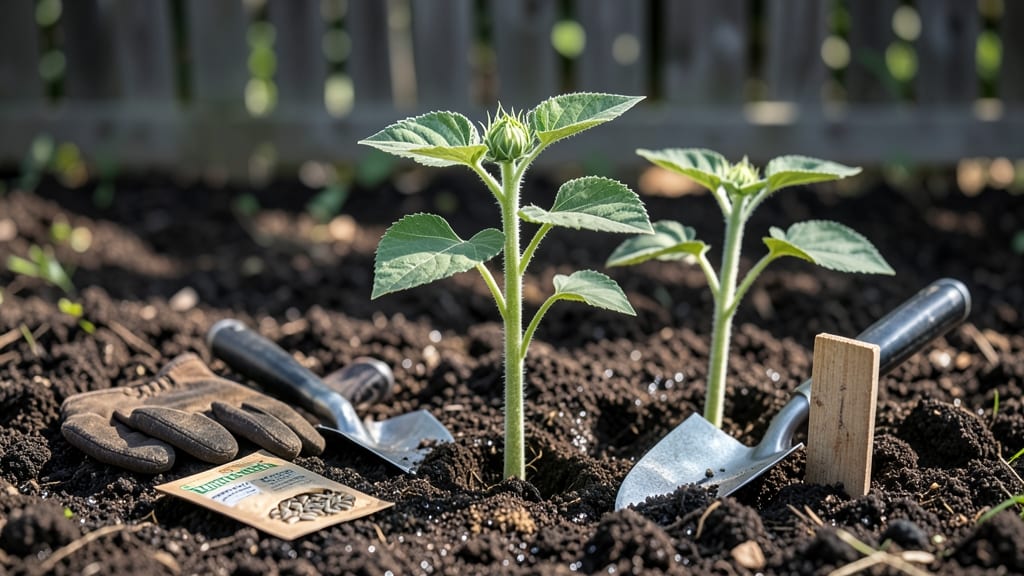
Planting sunflowers in Minnesota means racing against frost dates—but get the timing right, and you’ll reward yourself with 12-foot giants by summer. With USDA Zone 4B’s unpredictable swings from snow to 80°F heat, knowing when to sow is everything.
Most gardeners wait until after the last frost, but sunflowers actually thrive when soil warms to at least 55°F. That usually lands in late May for southern Minnesota, but northern areas may need to wait until June.
The key? Start seeds indoors 4-6 weeks before your target date to jumpstart growth.
Here’s what you’ll learn: the exact frost-date windows for your region, how to adjust for cool springs, and which sunflower varieties mature fastest in Minnesota’s short season. No more guessing—just blooms that tower over your fence.
Whether you’re growing ‘Russian Giant’ for seeds or ‘Moulin Rouge’ for cut flowers, this guide cuts through the confusion. Let’s get those sunflowers 🌻 planted the right way.
Minnesota sunflower planting timeline by USDA Zone 4B frost dates
Minnesota’s USDA Zone 4B presents unique challenges for sunflower growers, with last frost dates typically ranging from May 10-25 and first frost dates arriving as early as September 15.
These tight windows demand precision—plant too early, and frost will nip tender seedlings; too late, and your sunflowers won’t mature before winter. The key is aligning your planting schedule with soil temperatures (ideal: 55°F+) and sunflower variety maturity rates.
For direct sowing (the simplest method), aim to plant 2-3 weeks after your last frost date—usually late May to early June.
This timing ensures seedlings emerge when soil is warm enough to prevent rot, while still allowing 90-120 days of growth before frost. Giant varieties like ‘Russian Giant’ need the full season, while dwarf types like ‘Moulin Rouge’ can tolerate slightly later plantings.
If you’re starting seeds indoors, begin 4-6 weeks before your last frost date (around April 15) to give seedlings a head start. Harden them off by mid-May and transplant after soil warms—this extends your growing window by 2-3 weeks compared to direct sowing.
Just be prepared to protect young plants with frost cloth if late frosts linger.
Here’s your Minnesota sunflower planting timeline broken down by stage and variety:
| Stage | Action | Giant Varieties | Dwarf Varieties | Oilseed Varieties |
|---|---|---|---|---|
| Soil Prep | Test pH (6.0-7.0), amend with compost | April 1-15 | April 1-15 | April 1-15 |
| Indoor Start | Sow seeds 4-6 weeks before last frost | April 15-May 1 | April 15-May 1 | April 15-May 1 |
| Direct Sow | Plant after soil reaches 55°F+ | May 20-June 5 | May 25-June 10 | May 20-June 5 |
| Transplant | Move hardened seedlings after last frost | May 15-June 1 | May 20-June 5 | May 15-June 1 |
| Harvest Window | 90-120 days after planting | Late Aug-Sept | Mid-Aug-Sept | Late Aug-Sept |
| Frost Protection | Use row covers for late plantings | Essential for Sept | Less critical | Essential for Sept |
For northern Minnesota (e.g., Duluth), where frost dates are earlier, prioritize fast-maturing varieties like ‘Autumn Beauty’ (oilseed) or ‘Teddy Bear’ (dwarf). These can be planted as late as June 10 and still yield seeds before frost.
In southern Minnesota (e.g., Rochester), you have more flexibility—Russian Giant sunflowers can be direct-sown by May 1
How to adjust sunflower planting for Minnesota’s unpredictable weather
Minnesota’s unpredictable frost dates can turn a sunflower dream into a frost-killed nightmare—but with the right adjustments, you can beat the odds. The secret lies in flexible planting strategies that account for late springs and early freezes.
Even if your last frost date slips to June, sunflowers can still thrive with smart timing and protection.
First, focus on fast-maturing varieties that can go from seed to bloom in 60-75 days. Pair that with staggered planting—sow a few seeds every 2 weeks from late May through early July.
This ensures some plants mature before frost, while others provide late-season color. For northern Minnesota, prioritize dwarf varieties like ‘Moulin Rouge’ (50-60 days to maturity) over towering giants.
- 🌱 Start indoors 4-6 weeks before your last frost date (typically mid-April for Zone 4B) using biodegradable pots to avoid transplant shock.
- 🌡️ Wait for soil temps of at least 55°F (use a soil thermometer) before transplanting outdoors—cold soil stunts growth.
- ❄️ Use row covers or cold frames for early plantings to protect against late frosts (test by placing covers over plants after frost warnings).
- 🌿 Plant in blocks (not rows) for easier frost protection—cover entire clusters with frost blankets during cold snaps.
- ☀️ Choose south-facing beds to capture extra warmth, and mulch with straw to insulate roots and retain moisture.
Don’t let Minnesota’s cool nights derail your sunflowers—opt for ‘Autumn Beauty’ or ‘Teddy Bear’ varieties, which tolerate cooler temps better than standard types. These varieties also handle shorter daylight hours in late summer, extending your blooming window.
For extra insurance, plant a second batch in July—these late plantings often bloom just before frost, giving you a second harvest.
If frost threatens before maturity, harvest the seeds early by cutting heads when they’re 80% dry and hanging them upside down in a well-ventilated bag. This preserves seeds for next year’s garden. For flowers, cut stems at half-bloom to extend vase life—just don’t wait until frost blackens the petals.
Pro tip: Monitor your local microclimate—urban areas stay warmer than rural spots, and south-facing slopes get 2-3 weeks more growing time. Use a garden journal to track your frost dates yearly, adjusting planting windows as needed. With these tweaks, you’ll turn Minnesota’s unpredictable weather into your sunflowers’ superpower.
Remember, sunflowers are resilient—they’ll grow almost anywhere, but timing and protection are your best tools against frost. Start early, plant smart, and watch those golden giants reach for the sky, no matter what Mother Nature throws your way. 🌻