
Flowers
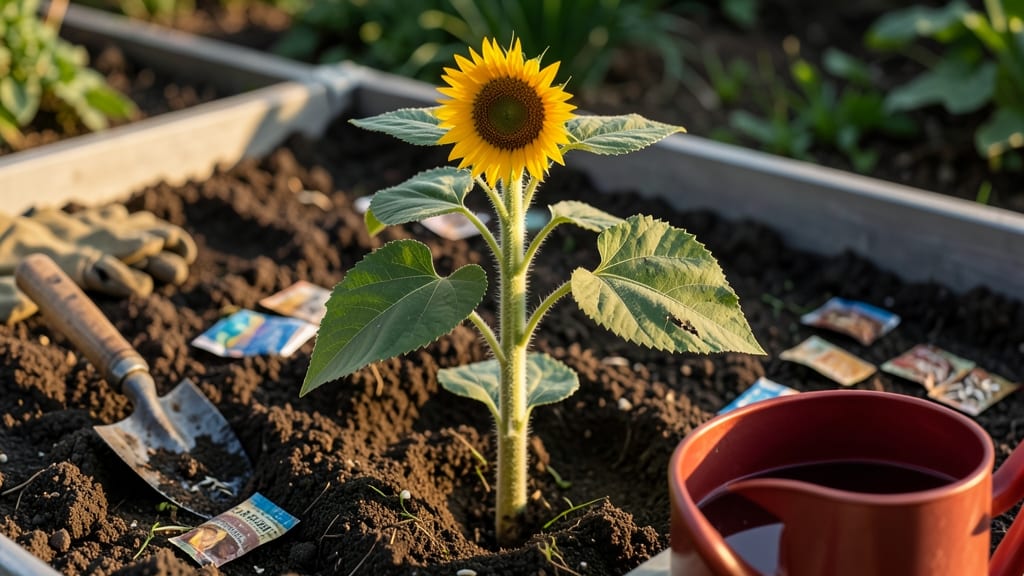
Planting sunflowers in New England at the right time means the difference between towering 🌻 giants and sad, stunted sprouts. While most gardeners wait until Memorial Day, the key to fast germination lies in soil temperature—not just calendar dates.
Here’s the truth: even if your neighbors are planting in early May, your sunflowers might still be waiting for the soil to warm to 55°F—which can mean delaying by weeks in cooler zones like 5a.
I’ll show you exactly when to start seeds indoors or direct-sow outdoors, plus how to tell if your soil is ready without guessing.
Fast-growing varieties like ‘Autumn Beauty’ can mature in just 60 days, but cooler New England springs often push that window later. We’ll cover regional tweaks—like coastal areas vs. inland valleys—and how to cheat the clock with mulch and pre-sprouting tricks.
Whether you’re growing 10-foot giants or compact ‘Teddy Bears,’ timing is everything. Let’s get your sunflowers off to a blazing start—no more waiting until it’s too late!
New England sunflower planting dates by last frost & soil temperature
Timing is everything when planting sunflowers in New England. These cheerful giants thrive when soil temperatures reach 50-60°F, but the exact window varies by region. In USDA zones 5a-6b, your last frost date—typically mid-May—marks the starting line, but soil warmth is the real finish line.
Plant too early, and your seeds may rot; too late, and you’ll miss the 150-200 frost-free days needed for mature blooms.
New England’s climate spans from the cooler inland valleys of Vermont to the milder coastal areas of Connecticut. Even a 10°F difference in average last frost dates can shift your planting window by weeks.
For example, Maine’s northern regions might not be ready until early June, while southern Connecticut could start as early as late April. Always check your local frost-free date calculator to avoid surprises.
Here’s a quick reference for optimal planting windows across New England, paired with soil temperature thresholds and regional notes:
For direct-sown sunflowers, wait until soil reaches 55°F—use a soil thermometer or the "barefoot test" (if it’s warm enough for your feet, it’s ready). In cooler microclimates, like Vermont’s Adirondacks, consider pre-sprouting seeds indoors 1-2 weeks before transplanting. This trick shaves critical days off your growing season.
Sunflowers are annuals in New England, meaning they complete their life cycle in one season.
To maximize blooms, aim for late July to October harvests by planting early-maturing varieties (e.g., 'Autumn Beauty' at 55 days) in northern regions. Tall varieties like 'Russian Giant' need 120+ days, so they’re best suited for southern Connecticut or Massachusetts.
Pro tip: If your soil is cold or wet in spring, use black plastic mulch to warm it faster. Lay it down 1-2 weeks before planting to create a microclimate that mimics summer conditions.
This hack can push your planting window 2-3 weeks earlier in marginal zones like northern New Hampshire.
Don’t forget to calculate your first frost date (typically late October to early November) when choosing varieties. A 100-day sunflower planted in early June in Maine might not reach maturity before frost, while the same variety in Connecticut could thrive.
Use a frost-free day calculator to match your variety to your region’s growing season.
For container gardening, start seeds indoors 4-6 weeks before your last frost date. Containers warm up faster than garden soil, giving you a head start. Just ensure pots have drainage holes and use a heat mat if your home stays cool at night.
Finally, mark your calendar for July’s late bloomers. If you miss the spring window, dwarf varieties like 'Moulin Rouge' can still be planted in early July for autumn color. Just expect smaller flowers—perfect for cut arrangements or pollinator gardens.
How to test soil temperature for sunflower success (with pro tips)
Sunflowers need warm soil to germinate quickly—ideally between 55°F and 60°F. In New England, this often means waiting until late May or even June in cooler zones like Maine or Vermont.
I’ve learned the hard way that planting too early in cold soil leads to weak seedlings that rot or fail to sprout at all.
Testing soil temperature is simpler than you think. You don’t need expensive tools—just a few basic steps to get accurate readings. The key is timing: checking in the morning after the soil has warmed from the sun gives you the most reliable average temperature for the day.
Here’s my go-to method: Use a soil thermometer (they’re cheap and last for years) or even a DIY thermometer made from a candy thermometer inserted into the soil. For best results, check the temperature at a depth of 1 inch—that’s where sunflower seeds sit when planted.
⚠️ callout warning ⚠️
⚠️ Common Mistake: Planting Too Early
Even if your last frost date has passed, cold soil can delay germination by weeks. In USDA Zone 5a, I’ve seen sunflower seeds take 3+ weeks to sprout when planted in 45°F soil—versus just 5-7 days in 55°F+ soil.
Pro Tip: If your soil is below 50°F, wait 7-10 days or use black plastic mulch to warm it faster.
Morning is the best time to test soil temperature because it reflects the soil’s average daily warmth. Evening readings can be misleadingly high after a sunny day.
If you’re in a hurry, like when planting fast-maturing varieties (e.g., ‘Autumn Beauty’), you can speed up soil warming by covering the bed with clear plastic for 24 hours before planting.
What if your soil temperature fluctuates? For example, you check on Monday and it’s 50°F, but by Wednesday, it’s 60°F. The rule is: plant when the soil stays consistently above 55°F for 3+ days. This consistency ensures your seeds won’t face temperature shocks that stunt growth.
For direct sowing in New England, aim for a soil temperature of 55°F+ and air temperatures above 60°F. If you’re starting seeds indoors, you can begin them 4-6 weeks before your target outdoor planting date. Just keep them in a warm spot (70°F+) until soil conditions are right.
Remember, sunflowers are fast growers—but only if the soil cooperates. With the right temperature checks, you’ll avoid the heartbreak of slow germination or rotten seeds and enjoy towering blooms by summer’s end. 🌻