
Flowers
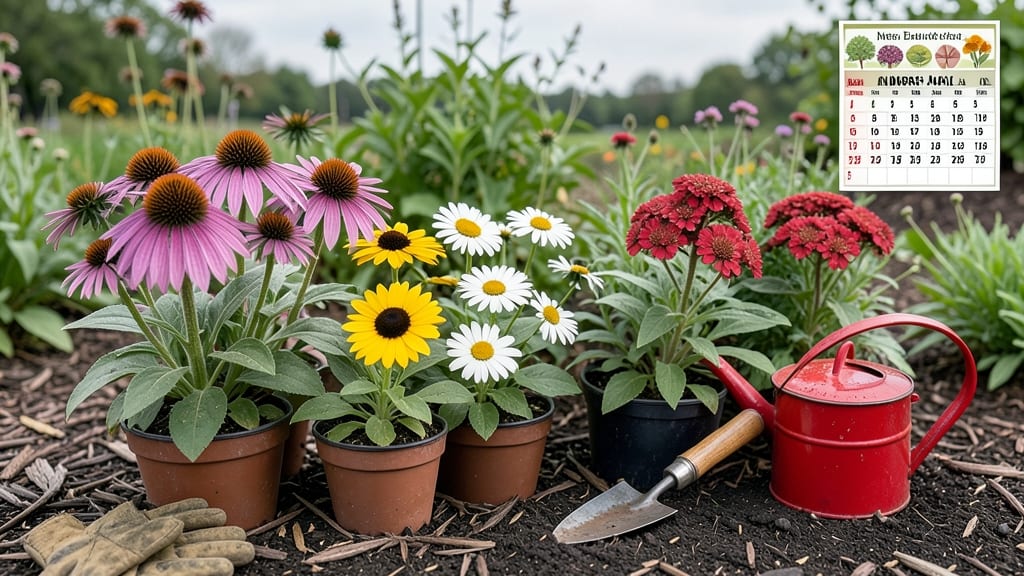
Timing your flower plantings in New England isn’t just about the calendar—it’s about outsmarting frost, heat waves, and the region’s tricky microclimates. 🌸 Whether you’re in coastal Maine or the White Mountains, planting too early or too late can mean the difference between a showstopping garden and a sad, wilted mess.
Most gardeners wait until after the last frost, but that’s not the whole story. In USDA Zones 5a-6b, soil temperature and local frost patterns matter just as much as dates on a calendar.
I’ll break down exactly when to plant annuals, perennials, and bulbs—plus how to adjust for early springs, late summers, and those pesky coastal breezes that can delay frost.
Ready to turn your garden into a blooming success? You’ll learn the ideal windows for spring and fall planting, which flowers thrive in New England’s climate, and how to protect your plants from unexpected cold snaps. Let’s get those vibrant blooms growing reliably, year after year.
From pansies that love the chill to dahlias that need warm soil, I’ve got the schedules and tips to make your garden thrive—no guesswork required. Let’s dive into the perfect timing for your New England flowers.
New England flower planting schedule by microclimate zone
New England’s diverse microclimates mean your last frost date could vary by weeks—even within the same state. Coastal areas like Portland, Maine often see frost-free soil by mid-April, while White Mountain regions in New Hampshire may wait until late May.
Understanding these three key zones—coastal, inland, and mountainous—helps you align your planting with soil warmth and frost risks for reliable blooms.
For annual flowers like petunias or marigolds, wait until soil temperatures hit 60°F (use a soil thermometer to check). Perennials, such as coneflowers or black-eyed Susans, can handle cooler soils but need well-draining beds to prevent rot. Bulbs, including tulips and daffodils, should be planted in fall (6–8 weeks before ground freezes) for spring blooms.
Below is a microclimate-specific schedule for USDA Zones 3–6, covering coastal, inland, and mountainous regions. Use this as your guide to avoid frost damage and maximize bloom time.
For coastal areas, like Rhode Island or Cape Cod, start annuals as early as late April if nights stay above 40°F. Use row covers for frost-sensitive varieties like geraniums or impatiens.
Inland regions, such as central Massachusetts, should wait until early May and prioritize drought-tolerant flowers like lavender or sedum to handle hotter summers.
In mountainous zones (e.g.,
How to adjust planting times for early/frost-prone areas
Living in New England’s frost-prone zones means your planting schedule isn’t set in stone—it’s more like a flexible strategy to outsmart Mother Nature. In areas like northern Vermont or the White Mountains, where last frost dates can linger until mid-May, traditional spring planting windows often miss the mark.
The key is adjusting your timing using protective tools and heat-loving varieties that thrive in cooler climates.
For example, cold-hardy annuals like pansies and snapdragons can handle light frosts, while tender perennials like dahlias need soil temperatures above 60°F to sprout reliably. I’ve found that succession planting—staggering plantings every 2-3 weeks—extends your harvest window and reduces frost risk.
Let’s dive into the tools and techniques that work best in these challenging climates.
One of my favorite tricks is using row covers or cold frames to create microclimates that warm soil faster. A simple floating row cover can raise soil temperatures by 5-8°F, letting you plant heat-loving flowers like marigolds or zinnias 2-3 weeks earlier than the traditional schedule.
These tools are especially useful in USDA Zone 5a, where frost can strike anytime before June 1.
⚠️ WARNING: Common Mistake in Frost-Prone Areas Planting tender annuals too early—even with row covers—can backfire if a late frost hits. For instance, petunias and geraniums planted in early May in northern New England often suffer frost damage because their roots aren’t established enough to recover.
Instead, wait until soil temperatures consistently stay above 55°F for at least 7 days before planting these heat-lovers. Use a soil thermometer to track warmth—it’s the most reliable way to avoid disappointment.
Another game-changer is succession planting, which lets you spread out your plantings over 4-6 weeks instead of all at once. This works especially well for fast-growing annuals like basil or cosmos.
Start with a small batch in late April under row covers, then add more every 2 weeks as temperatures rise. By early June, you’ll have a continuous supply of blooms, and the staggered plantings reduce the risk of losing everything to a single frost.
For perennials that return year after year, focus on fall planting for varieties like peony or iris. These plants benefit from winter chilling, which encourages stronger blooms the following spring. Plant them in September or early October, giving roots time to establish before the ground freezes.
In frost-prone areas, this means you’ll see blooms 2-3 weeks earlier than if you’d planted in spring.
Finally, don’t overlook the power of container gardening for heat-loving flowers. Pots warm up faster than in-ground soil, so you can plant tender varieties like geraniums or begonias 1-2 weeks earlier.
Just make sure to use black containers, which absorb heat, and move them to a protected spot at night if frost is forecasted. With these adjustments, even the shortest growing seasons can yield stunning results.