
Plants
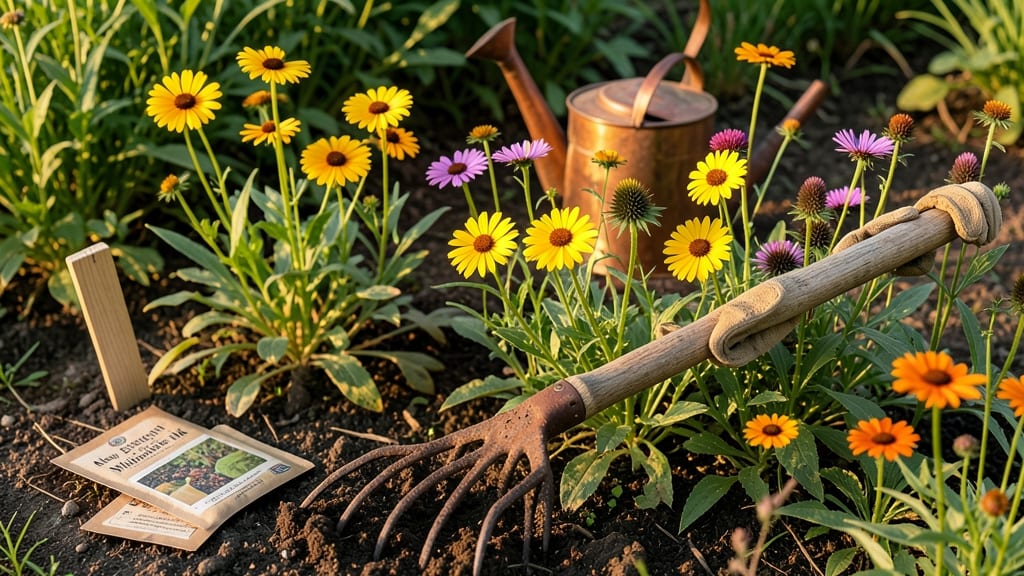
Planting wildflower seeds in New England at the wrong time can mean the difference between a vibrant meadow and a lost investment. The perfect window—late summer to early fall or early spring—aligns with the region's 4b-7a climate, where frost dates shift dramatically from Maine to Connecticut.
Why does timing matter so much? Wildflowers like black-eyed Susans and purple coneflowers need stable soil temperatures to germinate. Plant too early, and frost heave can bury seeds; too late, and summer heat may dry them out before sprouting.
I’ll break down the exact months to plant, plus how to adjust for your specific microclimate.
Most gardeners swear by fall planting, but spring has its advantages too—especially for early bloomers like coreopsis. The key is preparing your soil right and choosing native species that thrive in New England’s unpredictable weather. Let’s dive into the strategies that’ll give you zero-frost success every time.
Whether you’re seeding a sunny meadow or a shady woodland edge, these tips will help you avoid common mistakes and maximize your wildflower potential. Ready to transform your landscape into a pollinator paradise? Let’s get started.
New England planting zones: exact timing for wildflowers by month
New England’s USDA Zones 3-7 create wildly different planting conditions—from Maine’s chilly Zone 4b to Connecticut’s milder Zone 7a. Timing your wildflower seeds just right means the difference between a vibrant meadow and a frost-killed disappointment.
I’ve planted wildflowers across all these zones and learned that fall planting often outperforms spring, but your local microclimate can shift those windows by weeks.
Most gardeners focus on spring (March-April) or fall (August-September) planting, but summer options exist for heat-tolerant species like black-eyed Susans. The key? Soil temperature—seeds need 40°F+ for germination, while established plants handle 90°F+ heatwaves better than seedlings.
Let’s break it down by zone and month to give your wildflowers the best possible start.
Pro Tip: Check your last frost date (April 15 in southern New England, May 15 in northern areas) and first frost date (October 15 in south, October 1 in north) to adjust these windows. Microclimates—like south-facing slopes or urban heat islands—can push your planting zone 1-2 zones warmer.
For Zone 3 gardeners in Maine, I recommend fall planting in late August—this gives seeds time to germinate before winter dormancy. In Zone 7 (Connecticut), you can push planting into early November if your soil stays above 45°F.
The soil temperature is your best guide: use a soil thermometer to confirm it’s 40°F+ before planting.
Summer planting (June-July) is risky but works for heat-loving wildflowers like black-eyed Susans. The trick? Keep soil moist and choose shadier spots to prevent seed desiccation. I’ve had success in Zone 6 by planting in late June after the worst heatwaves pass.
Microclimates can shift your planting window by 2-4 weeks. A south-facing slope might be Zone 6 when your yard is Zone 5. Similarly, urban areas with pavement heat can push you into Zone 7 conditions. Observe your garden’s sun exposure and
Fall vs. spring planting: which works best for New England wildflowers?
Deciding between fall and spring planting for New England wildflowers can feel like choosing between two seasons of uncertainty. Both have distinct advantages, but the right choice depends on your specific wildflower species and local microclimate.
I’ve planted wildflowers in Zone 5b for years, and I’ve learned that timing isn’t just about the calendar—it’s about soil temperature, frost risk, and even weed competition.
Fall planting often gets the gold star because cooler temperatures and consistent moisture give seeds the ideal conditions to germinate without the stress of summer heat.
However, spring planting can be a game-changer for early bloomers like bloodroot or wild columbine, which thrive when sown just as the soil warms. Let’s weigh the pros and cons so you can pick the best strategy for your garden.
Fall Planting (August - October)
✅ Pros
- Cooler soil reduces drought stress
- Fewer weeds compete for space
- Seeds germinate early in spring
- Natural frost protection for young roots
❌ Cons
- Late fall planting risks frost heave
- Limited seed selection for cold-sensitive species
- Slower germination in cold winters
Spring Planting (March - April)
✅ Pros
- Wider seed variety available
- Immediate germination with warm soil
- Better control over moisture levels
❌ Cons
- Higher weed competition early in season
- Drought risk if spring is dry
- Late bloomers may struggle to establish
For fall planting, I recommend focusing on native perennials like purple coneflower (Echinacea) and black-eyed Susan (Rudbeckia), which handle New England’s winters like champions. These species drop seeds naturally in late summer, making them perfect candidates for late August to early September sowing.
The key is to plant 6-8 weeks before your first expected frost—typically mid-October in southern New England and early October in northern regions.
If you prefer spring planting, prioritize annuals and early bloomers such as coreopsis and lupine. These thrive when sown in March or early April, just as the soil reaches 40-50°F.
To maximize success, I always stratify seeds (mimic winter conditions) for 4-6 weeks in the fridge before planting. This trick boosts germination rates by 30-40% for species like wild bergamot (Monarda).
One of my favorite ranked lists for New England wildflowers by planting season includes:
- Top Fall Choices: Echinacea, Rudbeckia, Asclepias tuberosa (butterfly weed)
- Top Spring Choices: Coreopsis, Lupinus, Aquilegia canadensis (wild columbine)
- Year-Round Options: Trifolium pratense (red clover), Daucus carota (queen anne’s lace)
Pro tip: If you’re still unsure, try a split-test approach—plant half your seeds in fall and half in spring. This way, you’ll see firsthand which method works best for your specific location and soil conditions. Just remember, consistent moisture is non-negotiable for both seasons! ☀️🌱