
Flowers
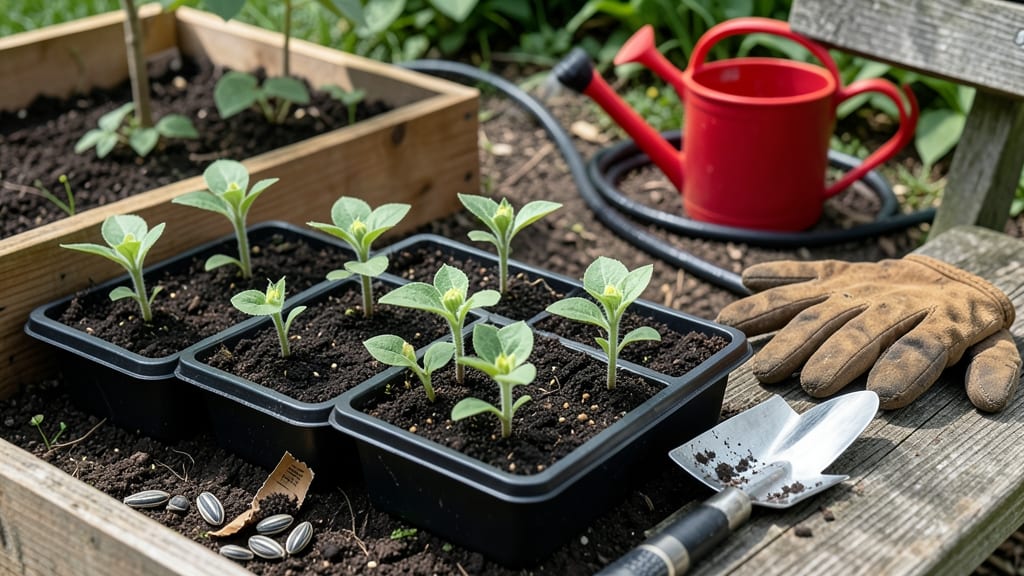
Planting sunflowers in New Jersey at the wrong time can leave you staring at sad, stunted stems instead of towering 🌻 giants reaching for the sky.
The key to vibrant blooms lies in understanding your region's last frost dates and microclimates - because what works in South Jersey might fail in North Jersey's cooler springs.
Most gardeners in USDA zones 6a-7b should aim for mid-April to late June planting, but timing varies dramatically across NJ's diverse landscapes.
Whether you're in the Pine Barrens or near the Delaware Water Gap, knowing when to put those seeds in the ground makes all the difference between a 15-foot sunflower wall and a disappointing flop.
I've tested different planting windows and varieties across NJ's climate zones, and what I'm about to share will help you avoid common mistakes.
From cold-hardy varieties that tolerate late frosts to heat-resistant types for summer planting, you'll discover exactly when and how to plant for maximum impact in your specific corner of the Garden State.
Let's dive into the planting calendar that actually works for NJ gardeners - because your sunflowers deserve better than a guess-and-pray approach.
You'll learn regional adjustments, soil prep secrets, and even how to handle those tricky microclimates that can make all the difference between a mediocre harvest and a showstopping display.
NJ sunflower planting calendar: last frost dates by region
New Jersey’s diverse geography means your sunflower planting window can vary by 10 days or more depending on whether you're in North Jersey, Central NJ, or South Jersey.
Understanding these regional differences helps you avoid late frost damage while maximizing bloom time. Most sunflowers thrive when planted after soil reaches 60°F (15°C), but timing is critical.
Urban gardeners should also account for heat island effects—concrete and buildings can create microclimates that warm up faster than rural areas. Rural gardeners, meanwhile, may experience colder pockets in low-lying areas. Always check your local USDA zone (6a-7b) and monitor soil temperature with a thermometer for precision.
Here’s your NJ sunflower planting calendar, broken down by region with last frost dates, ideal planting windows, and soil temperature benchmarks:
For North Jersey gardeners, patience is key—delay planting until after May 1 to avoid late spring frosts, which can kill young seedlings.
In Central NJ, you have a 2-week window to plant, but soil temperature is your best guide. South Jersey offers the earliest planting, but coastal areas may experience delayed warming due to ocean breezes.
If you’re in an urban garden, consider using row covers or black plastic mulch to warm the soil faster. Rural gardeners should test soil temperature daily with a soil thermometer—sunflowers won’t sprout until the ground reaches 55°F (13°C).
Pro tip: Plant fast-maturing varieties like ‘Early Bird’ if you’re near the last frost date.
Don’t forget about fall planting! While less common, sunflowers can be sown in late July for a second bloom in late summer. Choose short-season varieties like ‘Teddy Bear’ (36–48 inches tall) to ensure they mature before first frost.
Just be prepared for shorter daylight hours, which may reduce flower size.
To extend your sunflower season, try staggered planting: sow a batch every 2 weeks from April to June. This ensures continuous blooms from July through October. Pair taller varieties with dwarf sunflowers (like ‘Moulin Rouge’) to create a layered display and avoid shading issues.
Always monitor your local weather forecasts and adjust planting dates if unseasonable cold is predicted. Sunflowers are resilient, but seedlings are vulnerable to frost damage. With the right timing, you’ll enjoy vibrant blooms that attract pollinators and brighten up your garden all season long. 🌻
How to adjust sunflower planting for NJ’s unpredictable weather
New Jersey’s weather can throw curveballs—one day it’s 60°F sunshine, the next a 30°F late frost. Sunflowers are resilient, but they need smart adjustments to thrive. I’ve learned that staggered planting and protective strategies can turn NJ’s unpredictability into your sunflower garden’s advantage.
Start by choosing cold-hardy varieties like 'Autumn Beauty' or 'Moulin Rouge' for early spring. These tolerate light frosts and give you a head start. For summer planting, opt for heat-resistant types like 'ProCut' or 'Russian Giant' to beat the July heatwaves that can stress tender seedlings.
- Use row covers for late frost protection. Lightweight fabric shields seedlings until temps stabilize—just remove when flowers bloom.
- Plant in stages: Sow 1/3 seeds every 2 weeks from April to June. This ensures continuous blooms and spreads out frost risk.
- Test soil warmth before planting. Press seeds into soil that’s 55°F+. A soil thermometer is your best friend—NJ’s soil heats unevenly!
- Raise beds in cool areas. Black plastic mulch warms soil 5-10°F faster than bare ground, speeding germination in chilly zones.
- Water deeply at night during heatwaves. 1-2 gallons per plant keeps roots cool and prevents bolting (premature flowering).
Don’t overlook microclimates. Urban areas like Newark stay cooler than rural spots in Hunterdon County. If your garden sits in a frost pocket, wait until May 1st or use cloche covers for extra protection.
I once lost a batch of sunflowers in a low-lying area—now I avoid planting there before Memorial Day.
For late summer planting, try dwarf varieties like 'Teddy Bear' (2-3 ft tall). They mature faster and handle shorter daylight hours better than giants. Plant these in early July for fall color—just give them 6+ hours of sun daily.
Watch for heat stress signs: yellowing leaves or wilting by noon. Increase watering to deep soaks every 2-3 days and mulch with straw to retain moisture. I’ve seen sunflowers bounce back from heatwaves with these adjustments—don’t give up if they look stressed!
Remember: Patience pays off. Sunflowers planted too early may bolt; too late, and they’ll be stunted. By combining variety selection, protective tactics, and staggered sowing, you’ll turn NJ’s weather quirks into a sunflower success story. 🌻