
Flowers
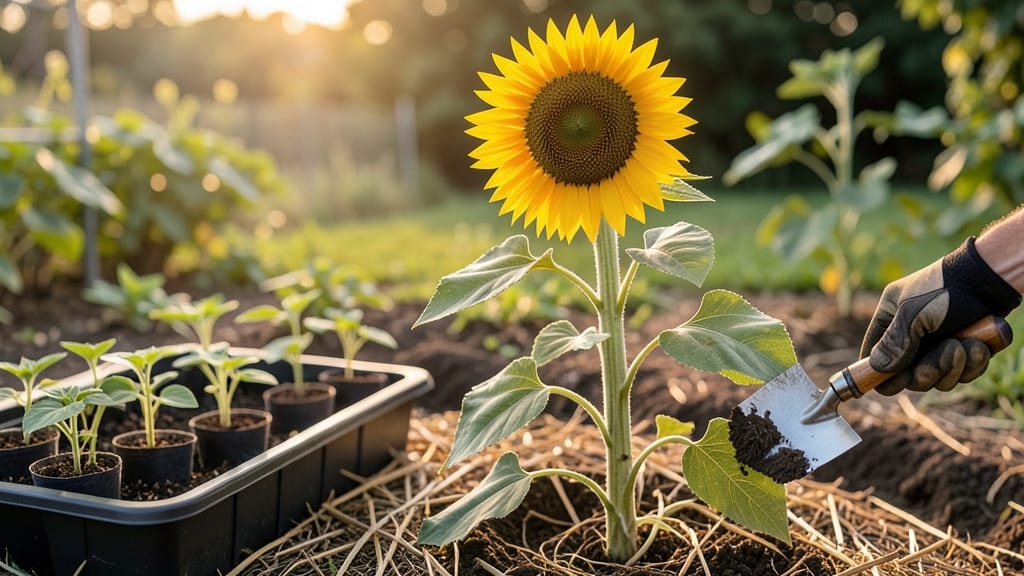
Planting sunflowers at the wrong time in Northern California can mean the difference between stunning 🌻 blooms and sad, stunted stems—especially when coastal fog and inland heat play such different roles.
The key isn't just knowing when to plant, but understanding how your microclimate (whether you're near San Francisco or the Central Valley) changes the rules.
Most gardeners in USDA zones 8a-9b reach for their seeds in spring, but that’s only half the story. Fall planting offers a second chance for a late-season harvest, and if you live in cooler coastal areas, you might need to wait weeks longer than inland growers.
Let me break down the exact windows that work—and why timing matters so much for your sunflowers' success.
You’ll discover how to avoid common mistakes like planting too early (and risking frost damage) or too late (and missing the summer sun).
Whether you're a beginner or a seasoned gardener, these region-specific tips will help you grow sunflowers that reach their full potential—from 3-foot dwarfs to towering 15-foot giants.
Ready to unlock the secrets of Northern California sunflower planting? Let’s get started with the perfect schedule for your location.
Northern California sunflower planting calendar: coastal vs inland timing differences
Sunflowers (🌻) are a bright, easy-to-grow addition to Northern California gardens, but their planting windows vary dramatically between coastal and inland regions. Coastal areas like the San Francisco Bay and North Coast have cooler, foggy summers, while inland zones like the Sacramento Valley experience hotter, drier conditions.
Getting the timing right ensures your sunflowers reach their full 6-15-foot potential instead of struggling.
In coastal regions, last frost dates arrive later (around April 15 in San Francisco) compared to inland areas (as early as March 15 in Sacramento). Meanwhile, first frost hits coastal areas around November 15, while inland zones can see frost as early as October 15.
These differences mean your spring and fall planting strategies must adapt to avoid frost damage or heat stress.
Here’s a side-by-side guide to help you time your sunflower plantings perfectly for your microclimate, including soil prep tips and heat tolerance adjustments.
For coastal gardeners, focus on late spring plantings (after April 15) to avoid chilly soil and morning fog, which can delay germination. Varieties like 'Teddy Bear' (dwarf) or 'Autumn Beauty' (multi-bloom) handle coastal conditions well.
If you’re planting in fall, aim for August 1 to give seeds time to mature before November frost.
Inland gardeners should plant as early as March 15 to take full advantage of the longer growing season. Heat-loving varieties like 'Russian Giant' or 'Mammoth' thrive in Sacramento’s 90°F+ summers but need consistent watering to prevent bolting (premature flowering).
For fall plantings, July 15 is ideal—seeds will mature before October frost arrives.
Both regions benefit from preparing soil in advance. Amend your garden beds with compost and a balanced fertilizer (5-10-10) to ensure nutrient-rich soil. Coastal soils often need extra organic matter to improve drainage, while inland soils may require mulch to retain moisture.
Plant seeds 1 inch deep and 6 inches apart for optimal spacing.
Pro tip: Use row covers in coastal areas if planting early to warm the soil and protect seedlings from chilly nights. Inland gardeners should water deeply at planting and mulch heavily to lock in moisture during summer heatwaves.
Both strategies help extend your sunflower’s growing season and boost bloom size.
Remember, sunflowers need full sun (6+ hours daily), so choose your planting spot carefully. Inland gardens can handle intense afternoon sun, while coastal gardens may need afternoon shade
How to adjust sunflower planting for Northern California microclimates
If you live in Northern California’s transitional zones—like the Santa Cruz Mountains or Sierra foothills—your sunflowers face unique challenges. These areas blend coastal cool with inland heat, creating microclimates where standard planting advice often fails.
The key? Adjusting your approach based on elevation, fog patterns, and soil conditions to give your sunflowers the best shot at thriving.
For example, gardeners in Santa Cruz County might plant in early May to avoid late frosts, while those in Amador County can start seeds indoors by late February. The difference? 100+ days of frost-free growing season in the foothills versus just 180 days near the coast.
Let’s break down how to fine-tune your planting strategy for these tricky zones.
🌱 5 Microclimate Adjustments for Northern California Sunflowers
- 1. Soil Prep: Amend clay-heavy foothill soils with compost and sand to improve drainage. Coastal areas may need organic matter to retain moisture.
- 2. Seed Depth: Plant 1 inch deep in well-drained soil, but deepen to 1.5 inches in sandy foothill soils to retain moisture.
- 3. Planting Window: Coastal (e.g., Santa Cruz): Wait until May 1–June 15 to avoid coastal fog stunting growth. Inland (e.g., Amador): Start seeds indoors by late February or direct-sow by March 15.
- 4. Companion Planting: Pair sunflowers with bush beans or marigolds to improve soil fertility and deter pests. Avoid planting near tomatoes, which compete for nutrients.
- 5. Fall Planting: For late-season blooms, sow seeds by August 1–September 15 in inland areas. Coastal gardeners should wait until September 1 to avoid early frosts.
Don’t overlook the power of companion planting in these transitional zones. Sunflowers act as natural windbreaks for smaller plants while their deep roots help loosen compacted soil. Try pairing them with basil or nasturtiums—both thrive in sunflower’s dappled shade and repel pests like aphids.
Another pro tip: Use black plastic mulch in foothill gardens to warm the soil faster and extend the growing season. This is especially helpful if you’re pushing the limits with late-summer plantings. Just remember to remove the mulch once flowers form to prevent overheating.
For gardeners in higher elevations (like the Sierra foothills), consider choosing dwarf varieties like ‘Teddy Bear’ (3–4 ft tall) to avoid wind damage and stem breakage. These varieties also mature faster, giving you a harvest before the first fall frosts hit in October.
Finally, always check your local frost dates—even within the same county, a 5-mile elevation change can shift your planting window by 2–3 weeks. Use resources like the UC Master Gardener Program or Almanac’s Frost Calculator to pinpoint the best dates for your exact location.