
Flowers
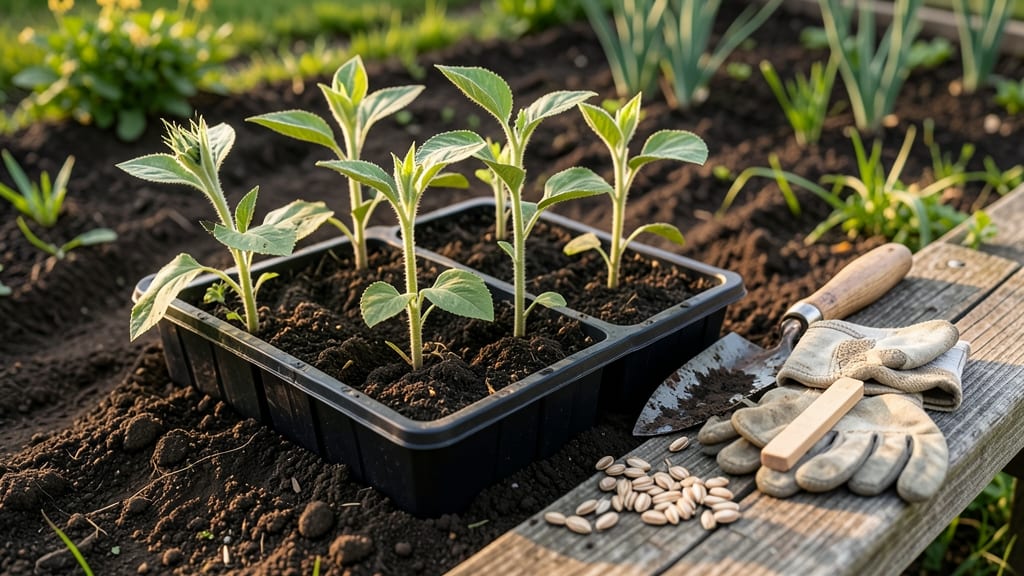
Planting sunflowers in Ohio at the wrong time can mean waiting months for those towering 🌻 blooms—or worse, watching them wilt before they even sprout.
The key to success lies in knowing exactly when to get those seeds in the ground, whether you're in chilly Zone 6a or the warmer southern parts of the state.
Most Ohio gardeners swear by the mid-April to late June window, but timing isn't one-size-fits-all. Soil temperatures need to hit at least 50°F for seeds to germinate properly, and frost dates vary wildly between regions. Even a few weeks can make the difference between thriving sunflowers and stunted plants.
I’ll break down the exact frost-free deadlines by week, so you can plant with confidence—whether you’re growing giant varieties for sunflower houses or compact types for containers. Plus, I’ll share pro tips for adjusting to Ohio’s microclimates, from urban heat islands to rural windy patches.
Ready to grow sunflowers that reach their full potential? Let’s dive into the perfect planting schedule tailored for Ohio’s climate, so you can enjoy those golden faces by summer’s end.
Ohio sunflower planting calendar: exact week-by-week deadlines for zones 5-6
Ohio’s Zone 5-6 climate demands precision when planting sunflowers—miss the window, and you risk frost damage or stunted growth. The key is planting after last-frost dates (typically mid-April in most regions) and before soil temperatures exceed 85°F in late summer.
Northwest Ohio’s cooler microclimates allow earlier starts, while Southeast Ohio’s warmer zones extend the window.
For direct sowing, aim for soil temperatures of 50°F+—use a soil thermometer to confirm. Giant varieties like 'Mammoth' need 70-80 days to mature, so plant them 4-6 weeks before your first expected frost in fall. Dwarf varieties like 'Teddy Bear' are more flexible, tolerating later plantings.
Here’s your week-by-week planting guide, tailored to Ohio’s two distinct regions. Use these deadlines to align with moon phases (full moon for transplanting) and local weather forecasts for the most reliable results.
| Region | Last Frost Date | Ideal Planting Window | Soil Temp Threshold | Variety Notes |
|---|---|---|---|---|
| Northwest Ohio (Zones 5) | Mid-April | April 20 – May 15 | 50°F+ | Giant varieties (e.g., 'Russian Giant') need early start |
| Southeast Ohio (Zones 6) | Early April | April 10 – June 1 | 55°F+ | Dwarf varieties (e.g., 'Sunspot') tolerate later plantings |
| Both Regions | N/A | June 15 – July 1 (for fall blooms) | 60°F+ | Use heat-tolerant varieties like 'Autumn Beauty' |
| Transplanting | N/A | May 1 – June 10 | 55°F+ | Start indoors 4-6 weeks before last frost |
If you’re transplanting sunflower starts, begin indoors 4-6 weeks before your region’s last frost date. Use biodegradable pots to minimize root disturbance when moving seedlings outdoors. Harden them off for 7-10 days before transplanting, and choose overcast days to reduce transplant shock.
For direct sowing, scatter seeds 1 inch deep and 12-24 inches apart (closer for dwarf varieties). Thin seedlings to 6-12 inches apart once they’re 4-6 inches tall.
Giant sunflowers need 2-3 feet of space to avoid competition. Mulch with straw or grass clippings to retain moisture and suppress weeds.
Ohio’s late-spring hail storms can damage young sunflowers, so consider row covers if planting early. Monitor 7-day forecasts and delay planting if frost warnings appear. In Southeast Ohio, where summers are hotter, plant dwarf varieties in late May to avoid bolting (premature flowering) from heat stress.
Extend your sunflower season by planting successive batches every 2-3 weeks from April through June. This ensures continuous blooms from July through October. Save seeds from your healthiest plants for next year—dry them indoors and store in a cool, dark place for up to 3 years.
Pro tip: Use black plastic mulch in early plantings to warm soil faster and speed up germination. Remove it once seedlings emerge to prevent overheating. For container growing, plant in 5-gallon pots with drainage holes and use a lightweight potting mix.
Track your sunflower’s progress with a growth journal. Note first bloom dates
How to adjust sunflower planting for Ohio’s microclimates: urban vs. rural tips
Ohio’s diverse landscapes mean your sunflower’s success depends heavily on where you live. Urban gardens face heat islands that bake soil faster, while rural areas contend with wind exposure and cooler nights. These microclimates demand tailored planting strategies to ensure your sunflowers reach their full 10-foot potential.
City gardeners often plant 2-3 weeks earlier than rural neighbors because pavement and buildings trap heat, warming soil faster. Meanwhile, rural growers in the Appalachian foothills should delay planting until soil hits 55°F to avoid cold snaps that can stunt growth.
Urban vs. Rural Sunflower Planting Adjustments
Urban Heat Island Advantages
- Faster soil warming: Plant 2-3 weeks earlier (late March)
- Heat-tolerant varieties: 'Autumn Beauty' or 'Moulin Rouge' thrive in urban heat
- Container options: Dwarf varieties like 'Teddy Bear' work in small spaces
- Mulch benefits: Reflects heat during day but insulates at night
Urban Challenges
- Poor drainage: Concrete absorbs heat, causing soil to dry quickly
- Pollution stress: Urban air can stunt growth
- Limited space: Requires careful spacing (12-24" apart)
- Wind turbulence: Tall buildings create unpredictable air currents
Rural Advantages
- Cooler nights: Wait until May 1 for safer germination
- Natural windbreaks: Trees/shrubs protect against wind damage
- Better soil: Organic matter retains moisture longer
- Cold-hardy options: 'Russian Giant' handles late frosts better
Rural Challenges
- Wind exposure: Stakes needed for 6+ ft varieties
- Soil drainage: Clay soils may require raised beds
- Deer pressure: Rural areas attract more wildlife
- Cooler microclimates: Northern Ohio needs longer growing season
For urban gardeners, mulching with straw can extend your planting window by 1-2 weeks by moderating soil temperatures. I’ve found that applying a 3-inch layer keeps roots cool in summer while preventing heat loss at night.
Rural growers should focus on wind protection—planting near fences or using bamboo stakes can prevent lodging in 10+ mph winds.
Soil drainage presents another key difference. Urban areas often need amended soil with compost to improve water retention, while rural gardens may require drainage solutions like sand or gravel mixes. Always test your soil’s pH—sunflowers prefer 6.0-7.5, and urban soils frequently test too acidic.
Remember that late summer planting (July-August) works in both environments if you choose fast-maturing varieties. 'ProCut' sunflowers reach harvest in just 70 days, making them ideal for extending your growing season. Just be prepared for shorter stems—these varieties typically max out at 5 feet tall.
Whether you're battling city heat or rural winds, adjusting your approach by just a few weeks can mean the difference between wilting disappointment and sunflower success. Start with these microclimate adjustments, and you'll be enjoying those golden blooms by summer's end! 🌻