
How To
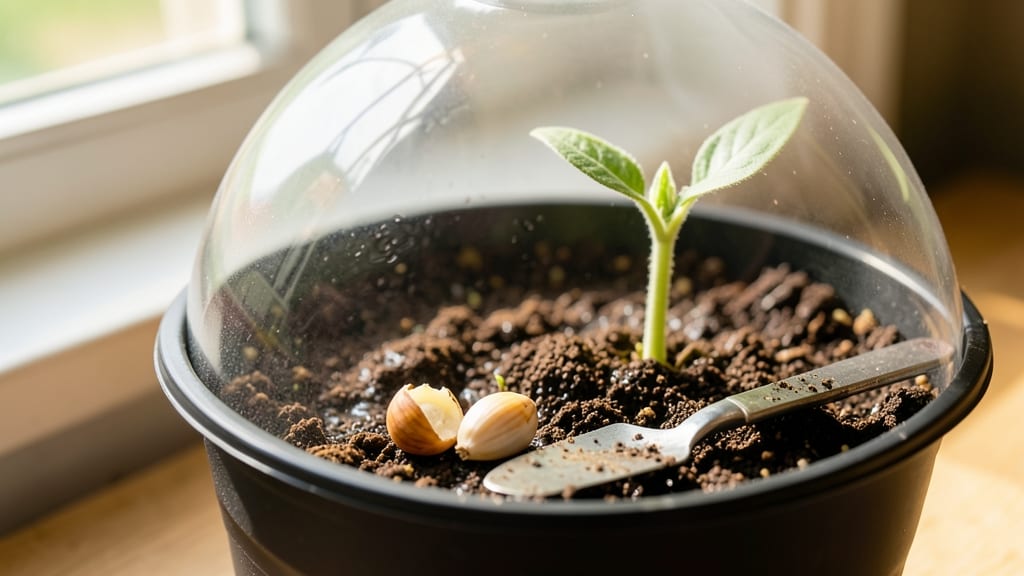
If you're eagerly waiting to see how long it takes sunflower seeds to germinate, you might be surprised to learn that soil temperature—and not just time—holds the key to speedy sprouting.
While most gardeners expect to see tiny green shoots in 7–14 days, cooler soil can stretch that timeline to weeks, while warmth can cut it down to just 3–5 days. Understanding this process isn’t just about patience—it’s about setting your sunflowers up for success from day one.
Too little warmth slows down the seeds’ internal enzymes, while moisture that’s either too high or too low can stall growth entirely. The good news? With the right conditions, you can turn those seeds into sturdy seedlings faster than you think.
I’ve tested different methods to speed up germination, from pre-soaking seeds to maintaining consistent soil warmth. Whether you’re planting in USDA Zone 6a or a warmer climate, these tricks make all the difference. Let’s break down exactly what you need to know to get those sprouts popping in record time.
Ready to transform your garden? By the end of this guide, you’ll know not just how long sunflower seeds take to germinate, but how to control that timeline—so you can enjoy those towering 🌻 sunflowers blooming sooner than ever.


Sunflower seed germination timeline by soil temperature (exact days)
Sunflower seeds are eager sprouters, but their germination speed depends heavily on soil temperature. Too cold, and they’ll linger; too hot, and they may struggle with moisture loss. The sweet spot? 70°F to 80°F, where seeds typically pop up in just 3–7 days.
Let’s break down the exact timelines based on temperature, so you can time your planting for success.
At the cellular level, enzymes activate faster in warmer soil, breaking down seed coatings and kickstarting growth. Moisture retention also plays a role—warmer soil loses moisture quicker, so consistent dampness is key. If your seeds are taking longer than expected, check both temperature and moisture levels first.
Below is a detailed comparison of germination timelines at different soil temperatures. Use this as your guide to adjust planting times or create ideal conditions for faster sprouts.
| Soil Temperature (°F) | Germination Time (Days) | Enzyme Activity Level | Moisture Needs | Best Conditions |
|---|---|---|---|---|
| 50°F | 14–21 days | Low (slow enzyme activation) | High (prevents drying) | Use black plastic mulch or wait for warmer soil |
| 60°F | 7–14 days | Moderate (gradual activation) | Moderate (keep consistently damp) | Ideal for early spring planting |
| 70°F | 3–7 days | High (fast enzyme activation) | Moderate (water deeply 1–2x/day) | Fastest germination; use row covers for warmth |
| 80°F+ | 3–5 days (but risk of drying) | Very high (rapid growth) | High (water frequently) | Use shade cloth to prevent overheating |
If your soil is consistently below 60°F, consider using a seedling heat mat or planting in black plastic mulch to raise temperatures.
For containers, place them in a sunny windowsill or under grow lights to maintain warmth. Pre-soaking seeds for 4–6 hours can also jumpstart germination by 24–48 hours in cooler conditions.
Pro tip: Test your soil temperature with a soil thermometer before planting. Aim for 65°F or warmer for the fastest results. If you’re in a cooler climate, start seeds indoors under grow lights to give them a head start before transplanting.
Overheating soil above 85°F can cause seeds to dry out too quickly, slowing germination. If your area hits high temperatures, water the soil more frequently and use shade cloth to protect young seedlings. Mulching with straw or grass clippings helps retain moisture and regulate temperature.
Remember, consistent moisture is just as critical as temperature. Seeds need to stay damp but not soggy—think of a wrung-out sponge. Overwatering can lead to rot, while underwatering halts germination entirely. A spray bottle or gentle watering can keeps seeds hydrated without disturbing them.
For the fastest results, 70°F soil is your golden ticket. At this temperature, most sunflower varieties will sprout in 3–7 days, giving you towering plants in no time. If you’re impatient, try pre-germinating seeds on a damp paper towel for 1–2 days before planting—they’ll pop up even faster!
🌱
How moisture levels affect germination speed (and how to optimize them)
While soil temperature gets most of the attention for sunflower germination, moisture levels are equally critical—and often overlooked. Too little water stalls growth, while too much can suffocate seeds or trigger rot.
The ideal balance keeps seeds hydrated without creating waterlogged conditions, which is why many gardeners accidentally slow down germination by overwatering.
Sunflower seeds need consistent dampness, not soggy soil. Think of a wrung-out sponge—moist but not dripping. When moisture is too low, seeds can’t activate their enzymes to break down the seed coat. But when it’s too high, oxygen becomes scarce, and seeds may rot before sprouting.
This delicate balance explains why some seeds germinate in 3 days while others take 2 weeks—even at the same temperature.
⚠️ callout-warning
To optimize moisture, I recommend bottom-watering for containers. Place your seed tray in a shallow dish of water for 10–15 minutes, allowing the soil to absorb moisture from below. This method prevents surface disturbance and ensures even hydration.
For in-ground planting, water the soil around (not on top of) the seeds to avoid displacing them. A light mulch layer of straw or coconut coir helps retain moisture while preventing crusting.
Watch for these moisture red flags: If the soil feels like a damp sponge when squeezed, you’re likely overwatering. If it crumbles when dry, you’re underwatering. Aim for a texture that holds together but doesn’t drip.
In hot climates, water in the early morning to reduce evaporation, while cooler weather may require afternoon watering. Always check moisture with your finger—1 inch deep is where seeds need consistent dampness.
For faster germination, try the paper towel method for 12–24 hours before planting. Place seeds between damp paper towels in a sealed bag, then transfer them to moist soil.
This pre-hydration can cut germination time by 30% while giving you control over moisture levels. Just be sure to plant them immediately after they sprout to avoid stress.
Remember: Moisture + warmth = speed. Combine these techniques with the 70°F soil ideal from earlier, and you’ll see those first green shoots emerge in just 3–5 days. The key is consistency—keep the soil evenly moist, protect seeds from extreme conditions, and avoid common pitfalls like overwatering.
With these adjustments, you’ll transform your germination success rate from hit-or-miss to predictable and reliable.
💧