
Flowers
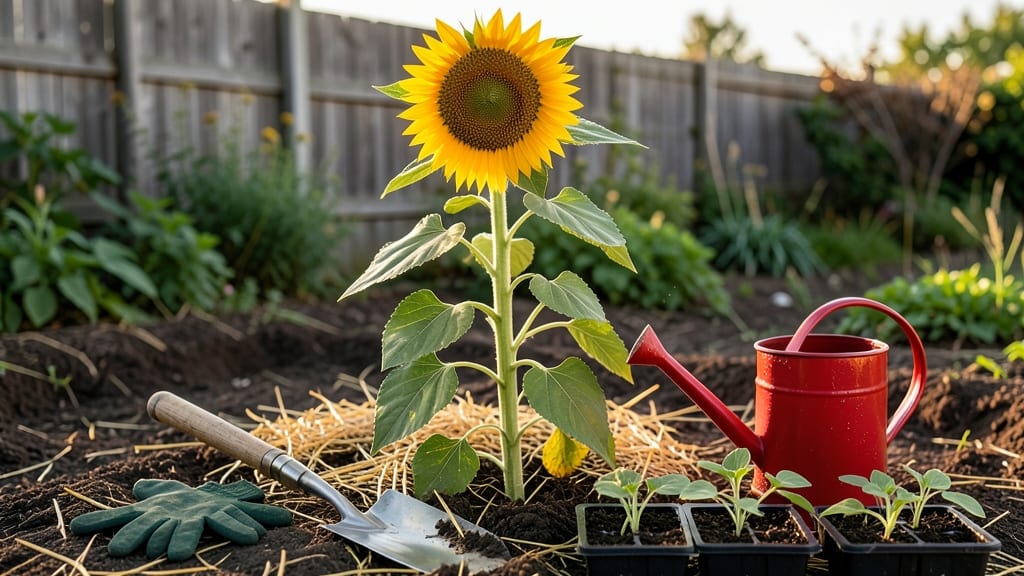
Planting sunflowers in San Diego might seem tricky with its year-round warmth, but timing is the key to avoiding summer wilting or missed blooms.
Unlike colder climates, you can grow these towering beauties like 🌻 anytime, but late winter to early spring unlocks the best results—before summer’s dry heat sets in.
Here’s the secret: San Diego’s USDA Zone 10a means no frost to worry about, but coastal microclimates (like La Jolla) stay cooler than inland areas (like El Cajon). That means your planting window can shift slightly depending on where you live—so we’ll break it down for you.
You’ll learn exactly when to start seeds indoors or direct-sow for bigger, healthier sunflowers, plus how to prep your soil to beat the region’s dry summers. Whether you’re growing dwarf varieties for containers or giants for cut flowers, these tips ensure your sunflowers thrive without guesswork.
Ready to skip the trial-and-error? Let’s dive into the perfect planting schedule tailored to your corner of San Diego—because every inch of height starts with the right timing.
San Diego’s ideal sunflower planting timeline: coastal climate breakdown
San Diego’s frost-free year-round climate makes it perfect for sunflowers—but timing still matters. Unlike northern climates, we avoid summer planting (June-August) to prevent drought stress and heat shock in young seedlings.
My 6-week ideal window starts in mid-January and runs through late February, giving plants time to establish before summer’s peak heat.
Coastal areas like La Jolla and Pacific Beach have cooler, foggier microclimates that extend the planting window slightly later (up to early March). Inland zones like Escondido or Ramona?
Plant 2-3 weeks earlier to avoid summer’s intense dry spells. These variations mean your sunflower timing depends on your exact location’s heat exposure.
Why this window works: Soil temperatures stay consistently above 50°F (10°C) by mid-January, ensuring rapid germination. By late February, plants have 4-6 weeks of growth before summer’s 90°F+ days arrive. This head start means taller stems and larger blooms by June-July, when most San Diegans enjoy peak sunflower season.
Sunflowers are annuals in our climate, meaning they complete their life cycle in one season. Direct sowing is best—transplants struggle with root shock in our sandy coastal soil.
Plant seeds ½ inch deep and 12-18 inches apart for standard varieties (like ‘Moulin Rouge’) or 6-12 inches apart for dwarf types (like ‘Teddy Bear’).
| Planting Stage | Coastal San Diego | Inland San Diego | Key Notes |
|---|---|---|---|
| Soil Prep | Late Dec - Early Jan | Late Nov - Mid Dec | Amend with compost and sand for drainage |
| Seed Sowing | Mid Jan - Late Feb | Mid Dec - Early Feb | Plant ½ inch deep, 12-18" apart |
| Germination | 7-10 days | 5-8 days | Keep soil moist but not soggy |
| First Blooms | June - July | May - June | Expect 6-12 ft stems with proper timing |
| Peak Heat Avoidance | Plant by Feb 28 | Plant by Feb 15 | Prevents wilting and sun scorch |
Here’s my pro tip for coastal gardeners: If you live near Ocean Beach or Point Loma, your soil stays cooler longer. Test soil temperature with a thermometer—wait until it hits 55°F (13°C) before planting.
Inland areas like Carlsbad can plant earlier, but mulch heavily to retain moisture once summer arrives.
Watering is critical in our dry summers. New seedlings need daily watering until established (about 3-4 weeks), then deep water 2-3 times per week during June-August.
I use drip irrigation to keep leaves dry and prevent powdery mildew, a common issue in San Diego’s humid coastal air. A 2-inch mulch layer of straw or wood chips locks in moisture and regulates soil temperature.
For maximum blooms, choose heat-tolerant varieties like ‘Autumn Beauty’ (red-tipped petals) or ‘ProCut’ (long stems for cutting). Avoid tall varieties in windy coastal spots—they’ll need staking. My go-to for beginners? ‘Moulin Rouge’—it’s disease-resistant and thrives in our sandy soil.
Watch for bird damage once flowers appear! I cover new blooms with lightweight netting until the seeds harden. And remember: sunflowers love space. They’ll
How to extend your sunflower season: staggered planting for continuous blooms
Why settle for a single burst of sunflower blooms when you can enjoy year-round color? In San Diego’s mild climate, staggered planting lets you beat summer heat stress while keeping your garden vibrant. The trick? Planting in three strategic batches—each timed to thrive in different seasons.
This method works especially well for heat-tolerant varieties like ‘Autumn Beauty’ (deep red blooms) and ‘Moulin Rouge’ (rusty orange), which handle San Diego’s summer sun better than standard types.
Start with your first batch in January for early spring blooms, then follow up with February and March plantings to extend the season. Each batch should be spaced 4-6 weeks apart to ensure overlapping blooms.
For coastal areas like La Jolla, you might even squeeze in a fourth batch in late summer for fall color—just use shade cloth to protect young seedlings from intense afternoon sun.
Here’s how to make it work without the guesswork:
- 📅 Batch 1 (Jan 15-31): Plant ‘Moulin Rouge’ for early spring blooms (May-June). Use well-draining soil with compost to prevent root rot.
- 📅 Batch 2 (Feb 15-28): Choose ‘Autumn Beauty’ for summer color (July-August). Water deeply 2x weekly during heatwaves.
- 📅 Batch 3 (Mar 15-31): Opt for dwarf varieties like ‘Teddy Bear’ for fall blooms (Sept-Oct). Place in partial shade if inland areas exceed 90°F.
For inland San Diego (like Chula Vista), where summer heat hits harder, add shade cloth (30-50%) over seedlings until they reach 12 inches tall. This mimics the cooler coastal microclimate and prevents bolting.
Once established, sunflowers handle heat well, but young plants need protection to avoid wilting before they can develop deep roots.
Don’t forget to harvest spent blooms to encourage more flowers. Cut back stems to 6 inches tall after the first bloom fades—this triggers new growth and extends your season by 4-6 weeks. In my own garden, this simple trick added two extra months of sunflower color last year!
With this method, you’ll enjoy continuous blooms from spring through fall, turning your garden into a sunflower lover’s paradise. The best part? No frost to worry about in San Diego—just timing, shade, and the right varieties to keep your sunflowers happy all year.