
Flowers
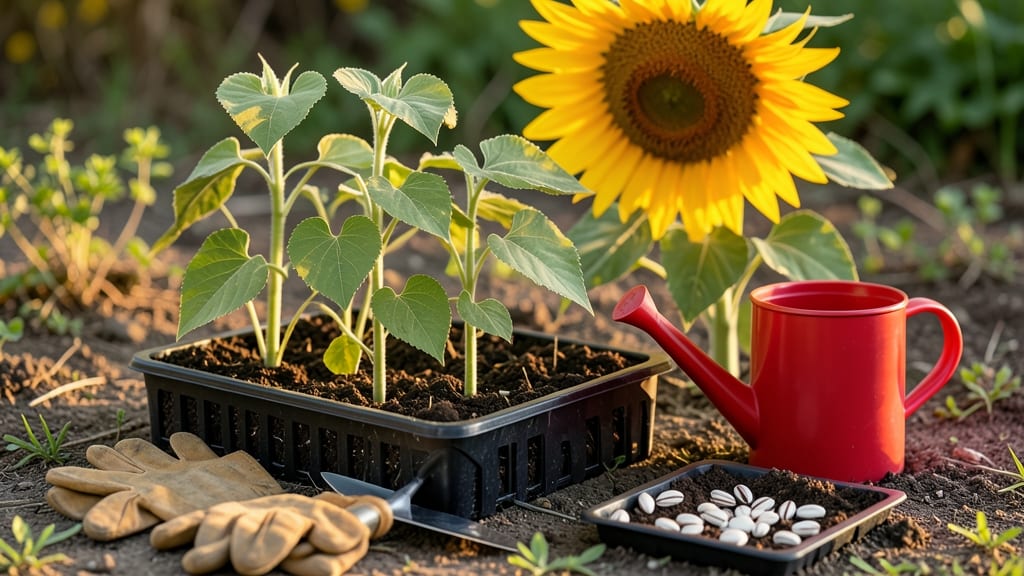
Planting sunflowers in Tennessee at the wrong time means watching your 🌻 dreams wilt before they even bloom—frost can turn your hard work into sad, shriveled stems.
But here’s the good news: with Tennessee’s 6a-7b climate, you’ve got a 3-month window to get it right, and I’ll break down exactly when to start seeds for maximum height and color.
Most gardeners in Tennessee wait until late April to mid-June after the last frost, but the best time depends on your variety—dwarf sunflowers can handle cooler soil, while giants like ‘Russian Giant’ need warm earth to thrive.
I’ll show you how to match your planting schedule to your sunflower’s growth timeline, so you’re not left with stunted plants or early frost casualties.
What if you’re in East Tennessee’s cooler microclimates versus West Tennessee’s heat? The answer lies in understanding your local frost dates and choosing the right sunflower types.
We’ll cover everything from soil prep to spacing, so your sunflowers grow tall, strong, and ready for harvest between July and October—no guesswork needed.
Ready to grow sunflowers that reach 10 feet high or more? Let’s dive into the exact planting windows, variety recommendations, and pro tips that’ll make your Tennessee garden the talk of the neighborhood. Your perfect sunflower season starts here.
Tennessee’s frost dates & best sunflower planting windows by region
Tennessee’s diverse climate—spanning USDA Zones 6a to 7b—means your sunflower planting timeline depends heavily on where you live. The state’s last frost dates can vary by 3-4 weeks from East to West Tennessee, making regional planning essential.
For example, East Tennessee (like Knoxville) typically sees its last frost around April 15, while West Tennessee (like Memphis) often waits until April 25. These differences directly impact when you should plant sunflowers to avoid frost damage while maximizing bloom time.
Sunflowers thrive in full sun (6+ hours daily) and warm soil temperatures (at least 55°F). In Tennessee, this usually aligns with late April to early June for most varieties.
However, early-season sunflowers (like ‘Teddy Bear’) can handle slightly cooler soil, while giant varieties (like ‘Russian Giant’) need the full growing season—so timing is everything. Let’s break down the best planting windows by region to ensure your sunflowers reach their full 8-14 foot potential without frost-related setbacks.
🌱 Did You Know? Tennessee’s first frost typically arrives in mid-October, but late-season sunflowers (planted in July) can still produce blooms before frost if given enough time to mature.
For East Tennessee, where cooler nights linger longer, focus on planting early-maturing varieties like ‘Autumn Beauty’ between April 20 and May 5. These sunflowers typically bloom in 70-80 days, ensuring they finish before the first frost in mid-October.
In contrast, West Tennessee’s warmer climate allows for later plantings—even up to July 15—for varieties like ‘Russian Giant’, which can handle the heat and still produce blooms before frost.
If you’re in Middle Tennessee, aim for a two-phase planting strategy: start with early sunflowers in late April for summer blooms, then follow with mid-season varieties in late May for fall color.
This approach maximizes your sunflower display and extends the growing season. For example, ‘Moulin Rouge’ (a mid-season variety) planted on May 20 will likely bloom in August, just before cooler temperatures arrive.
Heat tolerance is another critical factor in Tennessee. While sunflowers love warmth (70-85°F), prolonged 90°F+ temperatures can stress plants, especially giant varieties. In West Tennessee, where summer heat arrives early, consider providing afternoon shade for young seedlings or choosing heat-tolerant varieties like ‘ProCut’ or ‘Sunspot’.
These varieties are bred to handle Tennessee’s humid summers while still delivering vibrant blooms.
One common mistake I see in Tennessee gardens is planting sunflowers too early in hopes of a longer season. While it might seem logical, cold soil and frost can delay germination or kill young seedlings.
Instead, wait until the soil temperature reaches 55°F (use a soil thermometer if unsure) and the nighttime temperatures stay above 40°F. This rule applies across all regions but is especially critical in East Tennessee’s cooler microclimates.
For gardeners in USDA Zone 7b (like Memphis), you have the flexibility to experiment with succession planting. Plant a small batch in late May for summer blooms, then add another batch in early July to enjoy fall sunflowers
Top sunflower varieties for Tennessee gardens & their ideal planting times
Tennessee’s climate zones 6a-7b create the perfect canvas for sunflowers, but not all varieties thrive equally. Dwarf sunflowers like ‘Moulin Rouge’ can handle cooler springs, while giant varieties like ‘Russian Giant’ demand warm soil and longer growing seasons.
Choosing the right type ensures your sunflowers reach their full potential—whether you want 3-foot-tall pollinator magnets or 14-foot giants that dominate your landscape.
Here’s the key: Planting time directly impacts maturity. Tennessee’s 180-day frost-free season means you’ll need to align your variety with your region’s last frost date—typically mid-April in East Tennessee and early April in West Tennessee.
I’ll show you how to match each variety to your local timeline for frost-free blooms and seed-filled heads by harvest season.
| Variety | Height | Days to Maturity | Ideal Planting Time | Frost Sensitivity | Best For |
|---|---|---|---|---|---|
| ‘Moulin Rouge’ (Dwarf) | 1-3 ft | 50-60 days | Early April - May 15 | Low (tolerates cool soil) | Containers, borders, pollinators |
| ‘Autumn Beauty’ (Medium) | 3-5 ft | 60-70 days | Mid-April - June 1 | Moderate (needs warm soil) | Cut flowers, wildlife gardens |
| ‘Russian Giant’ (Giant) | 10-14 ft | 80-100 days | Late April - May 10 | High (needs long season) | Statement plants, seed production |
| ‘Teddy Bear’ (Semi-Dwarf) | 3-4 ft | 55-65 days | Early April - May 30 | Low-Moderate (versatile) | Cut arrangements, children’s gardens |
| ‘ProCut’ (Standard) | 6-8 ft | 70-80 days | Mid-April - June 15 | Moderate (needs warm starts) | Floral arrangements, bouquets |
For East Tennessee’s cooler microclimates, stick to dwarf and semi-dwarf varieties like ‘Moulin Rouge’ or ‘Teddy Bear’. These thrive when planted as early as early April and mature quickly enough to avoid October frosts.
Their 50-65 day maturity makes them ideal for shortened growing seasons—perfect if you’re in USDA Zone 6a.
In West and Middle Tennessee, where summers stretch longer, you can afford giant varieties like ‘Russian Giant’. Plant these late April to early May for a 100-day growing season that ensures they reach their 10-14 foot heights before frost.
Just be prepared to stake these towering beauties—Tennessee’s winds can topple them without support!
Pro tip: If you’re in Zone 7b and want to push your season, try succession planting with ‘Autumn Beauty’ in late May to early June. This medium-height variety matures in 60-70 days, giving you a second flush of vibrant blooms just as summer fades into fall.
Just ensure your soil stays warm and moist during germination—sunflower seeds hate cold, wet soil.
Remember, soil temperature matters more than air temperature. Use a soil thermometer to confirm your soil is at least 55°F before planting giants. For dwarf varieties, 50°F soil is fine—just plant them 1 inch deep and keep them well-watered until established.
With the right variety and timing, your Tennessee garden will be a sunflower spectacle from July through October.