
Flowers
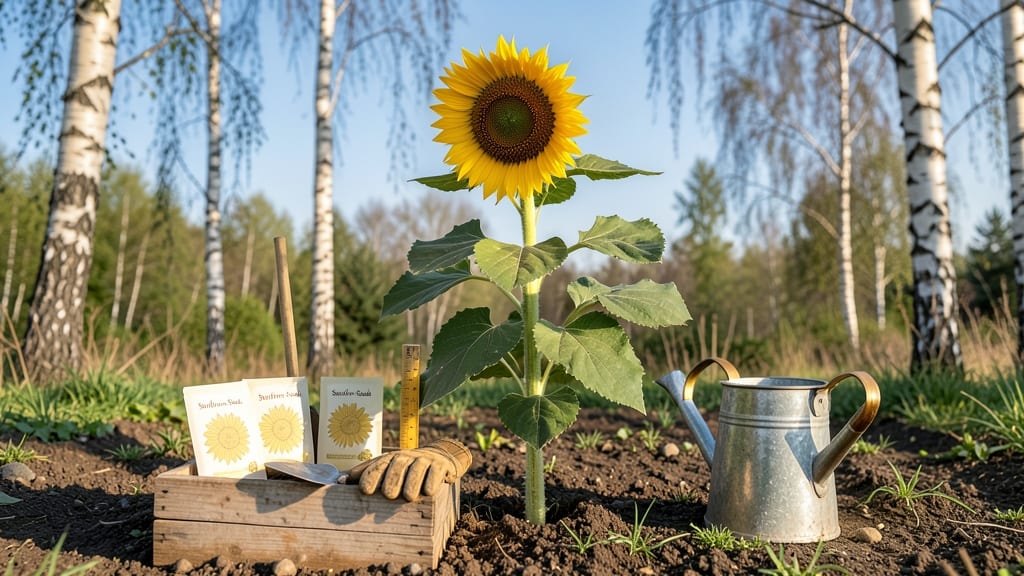
Planting sunflowers in Utah isn’t just about timing—it’s about surviving the state’s dramatic swings from frost to scorching heat. The wrong move could leave you with wilted stalks or stunted blooms, but get it right, and you’ll enjoy towering 🌻 sunflowers from July to September.
With Utah’s USDA Zones 5-8 and high-altitude microclimates, your planting window isn’t one-size-fits-all. Late April might work in Salt Lake City, but high-elevation areas like Park City need to wait until early June when the last frost has truly passed.
The key is knowing your local frost dates and adjusting for elevation—because a 500-foot climb can shift your planting deadline by weeks.
I’ll break down the exact deadlines for Utah’s frost zones, plus how to pick sunflower varieties that thrive in the desert’s heat and drought. Whether you’re in the Wasatch Front or a rural valley, these tips will help you avoid common pitfalls like hail damage or water stress.
Ready to grow sunflowers that reach their full potential? Let’s dive into the microclimate-specific schedule that’ll give you the best chance for success—no guesswork required.
Utah’s sunflower planting deadlines by frost Zone and elevation
Utah’s sunflowers thrive when planted at the right time—too early and frost zaps tender seedlings; too late and summer’s heat stunts growth. The state’s USDA Zones 5a–8a and elevation shifts from 4,000 to 10,000 feet create wildly different planting windows.
For example, Salt Lake City (Zone 6a) can start in late April, while Park City (Zone 5a) at 7,000 feet waits until early June.
I’ve mapped out the exact planting deadlines for Utah’s frost zones, adjusted for elevation. These dates assume average last-frost conditions, but I’ll show you how to tweak them for your microclimate—whether you’re in the Wasatch Front’s urban heat island or a rural valley with cold air pockets.
Use these as your baseline, then adjust based on soil temperature and local weather patterns.
Here’s the summary table breaking down Utah’s sunflower planting deadlines by frost zone and elevation:
| Frost Zone | Elevation Range | Last Frost Date (Avg.) | Planting Window | Notes |
|---|---|---|---|---|
| Zone 5a | 7,000–10,000 ft | May 10–20 | Early June | High-altitude areas like Park City; use row covers for late frosts. |
| Zone 6a | 4,000–6,000 ft | April 15–May 5 | Late April–early May | Salt Lake City, Provo; urban areas may warm up faster. |
| Zone 7a | 3,500–5,000 ft | March 20–April 10 | Mid-April | St. George, Cedar City; desert climates dry out fast. |
| Zone 7b | 3,000–4,500 ft | March 10–March 30 | Late March–early April | Cache County, Logan; watch for cold air settling in valleys. |
| Zone 8a | 2,500–4,000 ft | February 20–March 15 | Early March–late March | Southern Utah (e.g., Moab); extended growing season. |
For Zone 5a gardeners in high-elevation areas like Park City or Ogden, wait until early June to plant. These regions experience late frosts well into May, and sunflowers need consistent warmth to germinate. If you’re impatient, use row covers or start seeds indoors 4–6 weeks before your last frost date.
In Zone 6a, which covers most of the Wasatch Front (Salt Lake City, Provo), you can plant as early as late April. However, urban areas like Salt Lake City often experience microclimate heat islands, meaning soil warms up faster.
Test soil temperature with a soil thermometer—sunflowers need 60°F+ soil to germinate.
Southern Utah’s Zone 7a and 8a areas (St. George, Cedar City, Moab) have earlier deadlines due to their desert climate. Plant in March–April, but be prepared for drought stress. Mulch heavily to retain moisture, and choose drought-tolerant varieties like ‘Moulin Rouge’ or ‘ProCut’.
Cache County and northern Utah (Zone 7b) sit in a tricky middle ground. While last frosts average late March, cold air can settle in valleys, delaying planting. Monitor local weather forecasts and have backup dates ready—if frost hits in early April, push planting to mid-April.
Pro tip: Use the NOAA’s Utah frost date maps for real-time adjustments. Bookmark this link and check it weekly in spring—frost dates can shift by 10+ days year to year. Pair this with a soil thermometer ($10 at garden centers) to avoid planting too soon in cooler microclimates.
Finally, remember that elevation adjustments matter more than frost zones alone. A 1,000-foot climb can shift your planting window by 2–3 weeks. For example, if you’re gardening at 5,500 feet in Zone 6a but near a mountain slope, err on the side of caution and wait until mid-May.
With these deadlines, you’ll avoid the two biggest sunflower pitfalls in Utah: frost damage and heat stress. Next, we’ll cover how to adjust for Utah’s unpredictable weather—like using soil temperature as your true planting guide instead of calendar dates.
How to adjust planting dates for Utah’s unpredictable weather patterns
Utah’s weather can shift faster than a mountain breeze, leaving gardeners scrambling to adjust planting timelines. One year, your sunflowers might thrive with an early April start, while the next, a late May planting becomes necessary. The key is flexibility—using real-time data and soil temperature checks to fine-tune your schedule.
Instead of relying on last year’s frost dates, I recommend tracking NOAA’s Utah climate stations for your specific region. For example, Salt Lake City’s average last frost is April 15, but Cache County often sees frost lingering until May 1.
Always plant sunflowers 2 weeks after your local frost-free date to account for unexpected cold snaps.
Here’s how to adapt your planting strategy when Utah’s weather throws curveballs:
If you’re in a high-desert area (e.g., St. George), start sunflowers indoors in March to give them a head start. Transplant hardened-off seedlings after the last frost, but be prepared to protect them from hail—Utah’s sudden storms can devastate young plants.
For mountain valleys like Park City, focus on early-maturing varieties (e.g., ‘Autumn Beauty’) to ensure blooms before the first frost in October. These varieties can complete their lifecycle in just 80 days, giving you a better chance of success in shorter growing seasons.
Remember, Utah’s weather is unpredictable, but with these adjustments, you can turn uncertainty into success. Start with small test batches of seeds in different weeks to see what works best for your microclimate—your future sunflower giants will thank you! 🌻