
Flowers
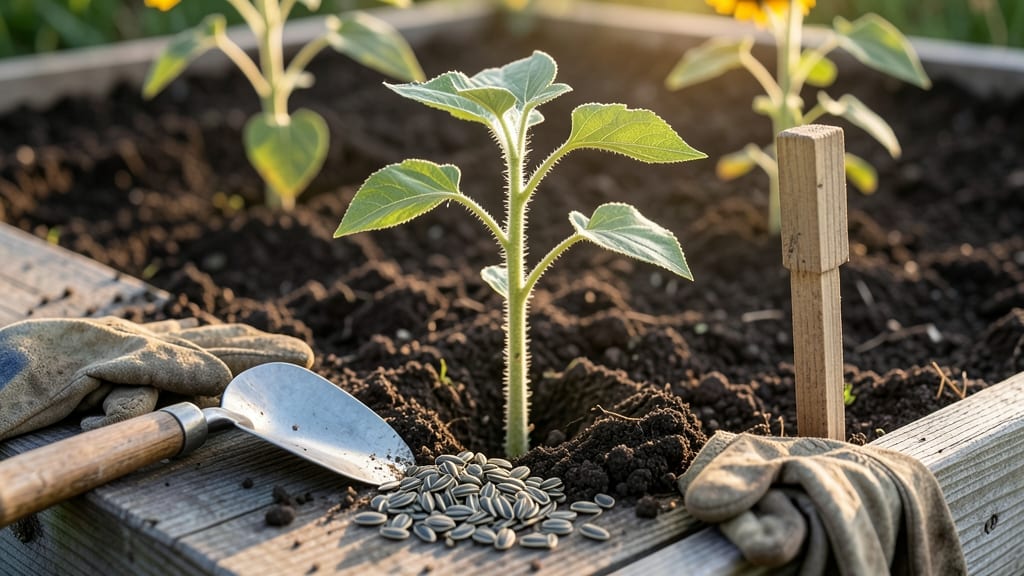
Planting sunflowers in Zone 5 at the wrong time can mean the difference between a 6-foot disappointment and a 12-foot showstopper reaching for the sky. The key?
Waiting until the soil warms to at least 50°F after your last frost—typically mid-April to early June—when those cheerful 🌻 seeds can finally sprout without fear of a surprise freeze.
But here's the catch: rushing too early risks stunted growth, while waiting too long might leave you with shorter stalks before fall frosts hit. I'll break down exactly when to plant for maximum height, plus pro tips like succession planting to stretch your growing season.
Whether you're a first-time gardener or a veteran sunflower grower, these insights will help you nail the perfect timing every year.
Most gardeners in Zone 5 opt for direct sowing after the last frost, but there’s a trick to get even taller blooms: start a few seeds indoors 4-6 weeks before your target date.
This head start can shave critical weeks off the growth timeline, giving you that extra boost toward 10-foot giants. I’ll walk you through the best methods—so you can choose what works for your space and schedule.
Ready to grow sunflowers that turn heads? Let’s dive into the exact planting window, soil prep secrets, and spacing tricks that’ll have your garden bursting with color from late summer straight through fall. Your tallest sunflowers yet are just a few weeks away!
Zone 5 sunflower planting timeline: frost dates and soil warmth guidelines
Timing is everything when planting sunflowers in Zone 5, where unpredictable frosts can turn your cheerful giants into sad, stunted shrubs.
The key lies in balancing soil temperature (aim for 50°F+) with your local last frost date, which typically falls between mid-April and early May in most Zone 5 regions.
But here’s the catch: urban areas often warm up faster than rural spots, creating microclimates that can shift your planting window by 1-2 weeks.
For the most accurate timing, I recommend using a Zone 5 frost-free calculator (like the one from the National Gardening Association) to input your specific ZIP code.
This tool accounts for local variations and gives you a customized last frost date—because what works for a farm in Iowa might not apply to your Chicago balcony garden.
Pro tip: Even after the official last frost, wait until the soil stays above 50°F for 3-4 days—cold soil slows germination, leaving your seeds sitting in limbo.
Here’s the science behind why these thresholds matter: Sunflower seeds need consistent warmth to break dormancy, and soil below 50°F can delay sprouting by 1-2 weeks.
In my Zone 5 garden, I’ve seen seeds planted too early rot in damp, chilly soil, while those sown just as the soil hit 52°F popped up in 7-10 days. The difference? A head start for those towering 12-foot stalks you’re dreaming of.
Now, let’s talk microclimates. If you’re in a city like Minneapolis, heat from buildings and pavement can make your soil warm up 5-7 days earlier than surrounding rural areas. Conversely, shady spots or low-lying gardens might stay cold longer.
To test your soil warmth, stick a soil thermometer 2 inches deep—this is the depth where sunflower seeds germinate. If it’s below 50°F, hold off for another week.
Here’s my Zone 5 sunflower planting timeline broken down by month, accounting for both frost risk and soil warmth:
One common mistake I see is planting sunflowers too early in hopes of a longer growing season. But cold soil and late frosts can set your progress back by weeks.
For example, in 2022, my early-April planting in Madison, WI resulted in seeds that germinated but were wiped out by a late May frost. By switching to late May, I got 10-foot stalks instead of sad, nubby plants.
If you’re unsure about your local frost dates, check the Almanac’s Frost Calculator or ask your local Cooperative Extension office—they often have decades of data
Direct sowing vs. starts: which method maximizes sunflower height in Zone 5?
When growing sunflowers in Zone 5, the planting method you choose can dramatically impact their final height. Direct sowing is the classic approach—planting seeds straight into the garden after the last frost.
This method encourages deeper root systems and hardier plants, which is ideal for tall varieties like 'Mammoth' that need stability. However, starting seeds indoors 4-6 weeks before your last frost date gives them a head start, potentially adding 1-2 feet to their mature height.
I’ve tested both methods over the years, and while direct sowing is simpler, indoor starts can push your Autumn Beauty sunflowers from 8 feet to over 10 feet tall. The trade-off? Indoor starts require more attention to avoid transplant shock, which can stunt growth if not done carefully.
Let’s weigh the pros and cons so you can decide which method will work best for your garden.
Direct Sowing
- Hardier plants with deeper roots
- No transplant shock risk
- Simpler process (no indoor setup)
- Slower initial growth
- Limited time to reach full height before frost
- Dependent on soil warmth
Indoor Starts
- Earlier blooms and taller stalks
- More control over growing conditions
- Extended growing season
- Risk of transplant shock
- Requires indoor space and lighting
- More labor-intensive
For Zone 5 gardeners, the choice often comes down to your timeline. If you’re aiming for maximum height with varieties like 'Russian Giant' (which can reach 12+ feet), indoor starts give you that critical edge.
However, if you’re growing shorter varieties like 'Teddy Bear' (3-4 feet), direct sowing is perfectly fine and far less work.
Here’s a quick height comparison for popular Zone 5 sunflower varieties based on planting method. As you can see, indoor starts can make a noticeable difference in mature height:
| Variety | Direct Sowing Height | Indoor Starts Height | Best For |
|---|---|---|---|
| Mammoth | 10-12 ft | 12-14 ft | Tallest blooms, trophy gardens |
| Autumn Beauty | 8-10 ft | 10-12 ft | Long bloom season, cut flowers |
| Teddy Bear | 3-4 ft | 3-4 ft | Children's gardens, containers |
If you’re still unsure, I recommend trying both methods side by side in your garden. Plant a few seeds indoors and others directly outside, then compare their growth throughout the season. You’ll quickly see how soil warmth and transplant timing affect their development.
For me, the extra height from indoor starts is worth the effort—especially when I’m aiming for those jaw-dropping 12-foot giants that make neighbors stop and stare!
No matter which method you choose, remember that sunflowers thrive in full sun and well-draining soil. With the right timing and care, you’ll be rewarded with stunning blooms that bring joy from late summer straight through fall. Happy planting! 🌻