
Plants
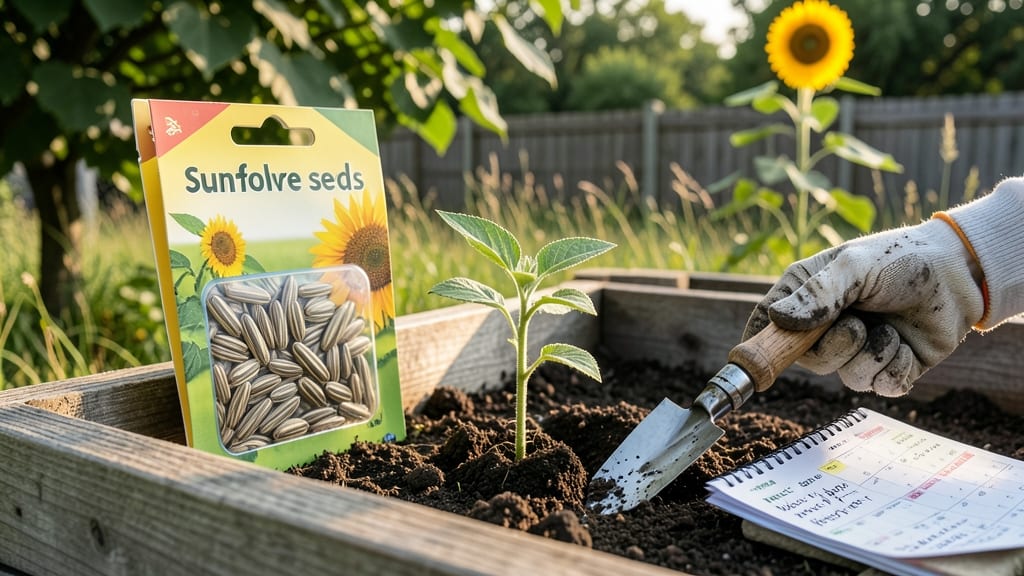
Planting sunflower seeds at the wrong time in Michigan can mean the difference between 10-foot-tall giants and sad, stunted plants that never reach their potential. The key isn't just waiting for spring—it's knowing exactly when your county's last frost has passed, because those 🌻 stalks need warmth to grow strong.
Most Michigan gardeners wait until late April or May, but that's too vague for sunflowers that thrive on precision. In zones 5-6, your planting window is narrow—miss it, and you risk frost damage or flowers that bloom too late for full summer sun.
I'll show you how to pinpoint the perfect week for your county, so you can grow those towering beauties that outshine everything else in your garden.
Beyond timing, there are tricks to give your sunflowers the edge they need in Michigan's cooler climate. We'll cover soil prep, spacing secrets, and even how to stretch the growing season for those giant varieties that can reach 14 feet.
Whether you're in Detroit or Traverse City, these tips will help you beat the odds and grow sunflowers that make neighbors stop and stare.
Ready to turn your garden into a sunflower spectacle? Let's dive into the exact dates, varieties, and care tips that will have your plants reaching for the sky—no guesswork, just results. Your future 🌻 giants are waiting for the right start.
Michigan sunflower planting calendar by county: frost-free dates for maximum growth
Michigan’s diverse climate means sunflower planting dates vary dramatically from USDA Zone 4 in the Upper Peninsula to Zone 6 in southern counties. To grow 10-foot-tall stalks, timing is critical—plant too early, and frost will nip seedlings; too late, and your sunflowers may bolt before reaching peak height.
Here’s your county-by-county guide to frost-free windows, tailored for both dwarf varieties (3–5 ft) and giant sunflowers (10–14 ft).
Sunflowers thrive with 80–120 frost-free days, but Michigan’s growing season ranges from 120 days in Detroit to just 90 days in Marquette. This means northern counties should focus on fast-maturing varieties (50–60 days to harvest), while southern Michigan can grow tall, late-blooming giants.
Below, I’ve organized planting windows by county, including last spring frost and first fall frost averages to help you plan.
🌱
| County | USDA Zone | Last Spring Frost (Avg.) | First Fall Frost (Avg.) | Frost-Free Days | Ideal Planting Window | Best Varieties for Height |
|---|---|---|---|---|---|---|
| Alpena (Thumb) | 5b | May 5 | Oct 10 | 158 | May 15–June 15 | Mammoth (12–14 ft), Russian Giant (10–12 ft) |
| Detroit (Wayne) | 6b | April 20 | Oct 25 | 189 | April 25–June 20 | Sunzilla (12 ft), American Giant (10–12 ft) |
| Grand Rapids (Kent) | 5b | May 1 | Oct 15 | 167 | May 10–June 10 | Russian Giant, Teddy Bear (5–6 ft) |
| Marquette (Upper Peninsula) | 4b | May 15 | Sep 25 | 133 | May 20–June 5 | Autumn Beauty (5–6 ft), Teddy Bear |
| Traverse City (Leelanau) | 5a | May 10 | Oct 5 | 148 | May 25–June 10 | Moulin Rouge (6–8 ft), Russian Giant |
| Lansing (Ingham) | 6a | April 25 | Oct 20 | 179 | April 30–June 15 | Sunzilla, American Giant, Teddy Bear |
| Sault Ste. Marie | 4a | May 20 | Sep 20 | 123 | May 25–June 1 | Teddy Bear, Autumn Beauty |
| Kalamazoo (Calhoun) | 5b | May 3 | Oct 12 | 162 | May 12–June 12 | Russian Giant, Teddy Bear |
| Flint (Genesee) | 6a | April 22 | Oct 18 | 179 | April 28–June 18 | Sunzilla, American Giant |
| Houghton Lake (Roscommon) | 5b | May 5 | Oct 8 | 156 | May 15–June 10 | Russian Giant, Teddy Bear |
For northern Michigan (e.g., Marquette, Sault Ste. Marie), prioritize early-maturing varieties like Autumn Beauty (50–60 days to harvest) to avoid early fall frosts. In contrast, southern Michigan (Detroit, Lansing) can grow giant varieties like Sunzilla or American Giant, which need 100+ days to reach their full 12–14 ft height.
Always plant after the last frost date, even if you’re using row covers for early starts.
Pro tip: Use succession planting in counties with longer frost-free seasons (e.g., Detroit, Lansing). Sow a second batch of seeds 4–6 weeks after the first planting to extend your harvest window into late September or October.
This works especially well for dwarf varieties, which mature faster and can handle cooler temperatures.
Soil temperature is just as critical as air temperature. Sunflower seeds won’t germinate until the soil reaches 55–60°F. In cooler regions like Traverse
How to extend Michigan’s sunflower growing season for tallest stalks
Michigan’s short growing season can feel like a challenge when you dream of 14-foot sunflowers towering over your garden. But with the right strategies, you can push your sunflowers beyond their typical height limits—even in cooler climates like Traverse City or Marquette.
The secret lies in extending the growing window, protecting young plants, and choosing varieties that thrive in shorter seasons.
Sunflowers need at least 80-120 days to reach their full height, but Michigan’s USDA zones 5-6 often cut that time short. By combining cold-hardy varieties, season extenders, and smart planting techniques, you can give your sunflowers the extra time they need to stretch toward the sky.
Let’s explore the proven methods I’ve used to grow 10+ foot stalks in my own Michigan garden.
5 Proven Ways to Extend Michigan Sunflower Growth
- 🌱 Start with cold-hardy varieties like 'Autumn Beauty' or 'Russian Giant'—they tolerate cooler temps and still reach 10+ feet.
- 🛡️ Use floating row covers for early spring planting (as soon as soil reaches 50°F) to protect seedlings from late frosts.
- 📅 Practice succession planting: Sow seeds every 2 weeks from late May to early July for continuous blooms.
- 🌡️ Warm soil faster by planting near black plastic mulch or using heat mats in early spring.
- 💧 Deep-water plants every 5-7 days during dry spells to prevent stunted growth from stress.
One of the easiest ways to extend your sunflower season is by choosing cold-tolerant varieties. 'Russian Giant' and 'Mammoth Russian' are my top picks—they handle Michigan’s cooler springs better than most hybrids and still reach 12-14 feet.
For shorter seasons, 'Autumn Beauty' is a great alternative, producing 5-8 foot stalks with vibrant multi-colored blooms that last into fall.
If you’re planting in northern Michigan, where frost can linger until early May, use row covers to create a microclimate. These lightweight fabrics trap heat and protect seedlings until the threat of frost passes.
I’ve seen 30-50% faster growth in covered beds compared to uncovered ones. Just remember to remove the covers once flowers appear to prevent overheating.
For maximum height, focus on soil preparation before planting. Sunflowers thrive in well-draining, nutrient-rich soil with a pH of 6.0-7.5. Mix in compost or aged manure a few weeks before planting to give roots a strong start.
In my garden, amending clay-heavy soil with sand and compost helped my sunflowers grow 2 feet taller than in unamended beds.
Don’t forget about succession planting—this is how I keep sunflowers blooming from July to October. By sowing new seeds every 2-3 weeks after the last frost, you ensure a steady supply of tall stalks.
Pair this with dwarf varieties in the front row for a stunning height gradient that draws the eye upward. With these techniques, even Michigan’s short season won’t hold your sunflowers back.
Your goal of 10+ foot sunflowers is within reach—just combine the right variety, season extenders, and a little extra care. Start with cold-hardy seeds, protect young plants, and give them the nutrients they crave.
Before you know it, your garden will be the talk of the neighborhood, with sunflowers reaching heights that make everyone stop and stare. Happy growing! 🌻