
Companion Plants
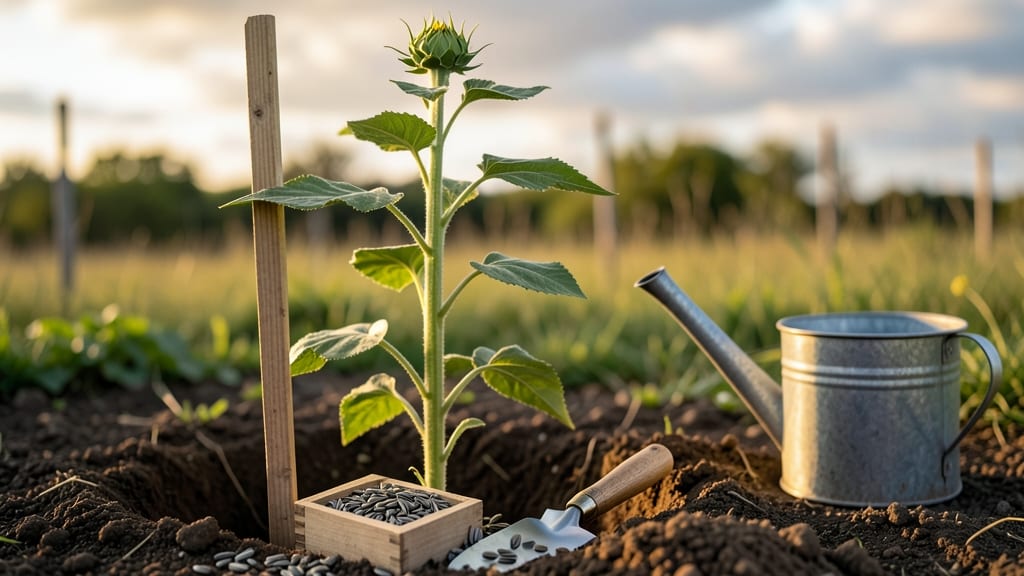
When to plant sunflower seeds in Pennsylvania means the difference between towering blooms and underwhelming stalks. Timing them just right in the Keystone State ensures you avoid late frosts that can nip young sprouts or miss the late-summer harvest entirely. The ideal window—mid-April to late June—balances soil warmth and daylight, but Pennsylvania’s 5b-7a zones add layers of complexity.
Most gardeners in the Keystone State start seeds indoors 4-6 weeks before the last frost (around mid-April in northern PA, later in the south). But if you’re sowing directly outside, wait until the soil hits 60°F+—a critical threshold for germination.
Rural areas with cooler microclimates may need to push planting to May, while urban heat islands can safely start earlier.
Here’s the game-changer: variety matters. Dwarf sunflowers like ‘Teddy Bear’ thrive with a shorter growing season, while giants like ‘Russian Giant’ need every warm day to reach their 14-foot potential.
I’ll break down the exact deadlines by county zone so you can pick the perfect timing for your garden—whether it’s a container on a balcony or a sprawling rural plot.
Ready to grow sunflowers that turn heads? Let’s dive into the frost-free deadlines, soil prep secrets, and the 3 key factors that’ll guarantee your seeds sprout strong and tall—no guesswork required.
Pennsylvania sunflower planting deadlines by USDA hardiness zone
Pennsylvania’s six USDA hardiness zones (4a–7a) create dramatic differences in sunflower planting windows. In Erie County (Zone 5b), you’ll plant by May 15 to avoid late frosts, while Philadelphia (Zone 7a) gardeners have until June 1.
These deadlines ensure your sunflowers (Helianthus annuus) mature before the first frost—critical for giant varieties like 'Russian Giant' that need 120 days to harvest.
Direct sowing is best for most PA gardeners since sunflower seeds germinate quickly (5–10 days) in 60°F+ soil. However, tall varieties (8+ ft) benefit from indoor starts 2–3 weeks before your zone’s last frost date.
For example, Poconos (Zone 4a) should start seeds indoors by April 1, while Lancaster (Zone 6b) can wait until April 15 for direct sowing.
Here’s your zone-by-zone planting timeline, including county examples and adjustments for early/late springs:
For early springs (e.g., Philadelphia’s 2023 last frost: April 10), push deadlines 2 weeks earlier. In late springs (like Erie’s 2020 frost: May 15), delay planting or use row covers for seedlings. Dwarf varieties (e.g., ‘Teddy Bear’) are more forgiving—they tolerate cooler soils and shorter seasons.
Soil temperature is non-negotiable: Wait until soil reaches 60°F (use a soil thermometer) before planting.
In northern PA (Zones 4a–5b), this often means waiting until late May for direct sowing. Southern PA (Zones 6b–7a) can start as early as mid-April, but monitor nighttime temps—sunflowers won’t survive below 50
5 Critical factors that determine your exact planting date
Pennsylvania’s unpredictable weather can turn a perfect planting window into a risky gamble. While USDA zones give you a starting point, your exact sunflower planting date depends on five key factors beyond just the calendar.
Ignoring these can mean waiting too long for warm soil or rushing seeds into cold ground—both of which stunt growth or invite disease.
First, soil temperature is non-negotiable. Sunflower seeds need soil that’s consistently 60°F or warmer to germinate. In the Poconos (Zone 5b), this might not happen until early May, while in Philadelphia (Zone 7a), late April could work.
Use a soil thermometer—it’s the only way to know for sure without guessing.
Second, moisture consistency matters more than you’d think. Seeds need 1-2 inches of water per week during germination, but soggy soil can rot them before they sprout. Pennsylvania’s spring showers can make timing tricky—plant after rains subside but before the ground dries out completely.
Third, frost risk is the silent killer of young sunflowers. Even after the average last frost date, late-season cold snaps—like the April 2021 freeze that hit the Poconos—can devastate seedlings.
I recommend checking your county’s 10-day forecast and waiting until the risk of frost drops below 10%. For northern PA, this often means delaying until early May.
Fourth, daylight hours play a surprising role. Sunflowers need 6+ hours of sunlight daily to thrive, and planting after the vernal equinox (March 20) ensures they get enough light to grow strong stems. If you’re in a shaded area, consider container gardening near a south-facing wall to maximize sunlight exposure.
Finally, your sunflower variety dictates your timeline. Dwarf varieties like ‘Teddy Bear’ mature in 50-60 days and can handle later plantings, while giant varieties like ‘Russian Giant’ need 120+ frost-free days to reach their full height.
In southern PA, you can plant giants as early as mid-April, but in the northern tier, wait until late May to avoid stunted growth.
Pro tip: Use row covers if you’re pushing the envelope with early plantings. They add 2-4°F of warmth and protect seedlings from unexpected frosts—perfect for PA’s unpredictable springs.
With these five factors in mind, you’ll plant sunflowers at the exact right moment for your microclimate—no more guesswork, just towering blooms by summer’s end. 🌻