
Plants
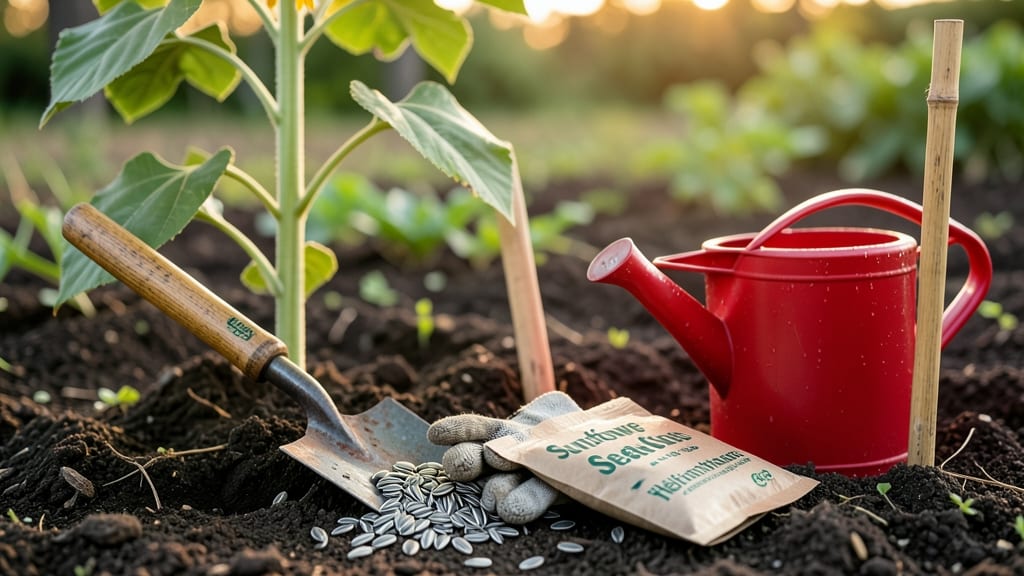
Planting sunflower seeds in Colorado at the wrong time can mean watching your bright, cheerful 🌻 dreams wither before they even sprout. The key to success isn't just knowing when to plant—it's understanding how your elevation zone affects your last frost date, soil warmth, and growing season length.
Whether you're gardening in Denver's 5,280-foot altitude or the Western Slope's 4,000-foot valleys, timing matters. Too early, and a late frost will kill tender seedlings. Too late, and your sunflowers might not reach their full towering potential before winter sets in.
Let me show you the exact windows for each zone so you can plant with confidence.
You'll discover how to prepare your soil, adjust for Colorado's unpredictable spring weather, and even extend your growing season with smart variety choices. From the Front Range to the mountains, these strategies will help you grow sunflowers that thrive—no matter where you live in the Centennial State.
Ready to turn your garden into a sunflower spectacle? Let's dive into the frost-free planting timeline tailored just for Colorado's diverse climate zones.
Colorado sunflower planting calendar by elevation zone (with frost dates)
Colorado's dramatic elevation changes mean your sunflower planting timeline should match your location. Lowland areas like Denver (3,000–5,000 ft) enjoy longer growing seasons, while mountain zones above 7,000 ft face shorter windows and colder soils.
Timing your planting to avoid late frosts and ensure soil warmth is key to success with these fast-growing annuals. Let's break down the ideal windows for each zone.
For all elevations, sunflowers thrive when planted after the last average frost date and when soil temperatures reach at least 55°F (13°C). This ensures quick germination and strong early growth before Colorado's unpredictable summer weather arrives.
The table below shows specific windows for three key elevation zones, along with their typical last frost dates and soil warming patterns.
| Elevation Zone | Avg. Last Frost | Soil Temp for Planting | Planting Window | Notes |
|---|---|---|---|---|
| Lowland (3,000–5,000 ft) | Mid-April to early May | 55°F+ (13°C+) | Late April–early June | Longest season; can plant successive crops |
| Foothills (5,000–7,000 ft) | Late April to mid-May | 55°F+ (13°C+) | Early May–mid-June | Soil warms slower; use black plastic mulch |
| Mountain (7,000+ ft) | Late May to early June | 60°F+ (16°C+) | Mid-June–early July | Shortest season; choose early-maturing varieties |
In the lowland zones (3,000–5,000 ft), you can start sowing sunflower seeds as early as late April once the soil warms to 55°F (13°C). Areas like Colorado Springs and Fort Collins typically see their last frost around April 15, giving you a 4–5 month growing season.
For best results, aim to plant by early June to ensure your sunflowers mature before the first fall frost in October.
At foothills elevations (5,000–7,000 ft), where cities like Woodland Park and Evergreen are located, the growing season shortens noticeably. Wait until early May when soil temperatures consistently reach 55°F (13°C).
The last frost here often lingers until May 10–20, so don't rush—cold soils can delay germination by 2–3 weeks. Extend your season by using black plastic mulch to warm the soil faster.
For mountain gardeners above 7,000 ft, like those in Leadville or Telluride, timing is critical. Soil temperatures below 60°F (16°C) can stunt growth, so wait until mid-June to plant.
These areas have the shortest frost-free periods, often just 90–100 days, so choose early-maturing varieties like 'Autumn Beauty' or 'Moulin Rouge' that reach maturity in 70–80 days.
One common mistake is planting sunflowers too early in high-elevation zones. Cold, wet soils can cause seeds to rot before germinating. Always check soil temperature with a soil thermometer—if it's below 55°F (13°C), wait a few more days.
For mountain gardeners, consider starting seeds indoors in early May and transplanting after the last frost to give your sunflowers a head start.
Regardless of elevation, sunflowers need full sun (6+ hours daily) and well-draining soil. In lowland areas, you can even plant a second crop in July for late-summer blooms.
Just remember: the higher your elevation, the earlier you'll need to plant to avoid missing the first fall frost, which typically arrives between September and October.
Pro tip: Use Colorado State University's frost date maps to pinpoint your exact last frost date. These maps account for microclimates and can help you fine-tune your planting schedule.
For most gardeners, planting sunflowers 2–3 weeks after the average last frost provides the best balance between avoiding frost damage and ensuring soil warmth.
Finally, don't forget that sunflowers are drought-tolerant once established, but they need consistent moisture during germination. Water seeds daily until sprouts appear, then reduce to 2–3 times per week once they're 6 inches tall. This simple care routine ensures your sunflowers grow tall and strong,
5 Critical factors that determine your sunflower planting success
Timing isn't the only factor for growing sunflowers in Colorado—your success depends on how well you match your planting strategy to local conditions. Even if you plant at the right time, soil temperature, moisture balance, and sunlight exposure can make or break your harvest.
Let me break down the five critical factors that separate thriving sunflowers from disappointing ones.
Colorado's unpredictable spring weather throws curveballs like late frosts or sudden heatwaves. These factors help you adapt quickly. For example, high-altitude gardens need different soil prep than lowland areas. Understanding these elements means your sunflowers will grow tall and strong, not just survive.
First, soil warmth is non-negotiable. Sunflower seeds need soil temperatures of at least 50°F (10°C) to germinate. In Denver, this usually happens by mid-May, but in Grand Junction, it can be weeks earlier. Use a soil thermometer to check—don't guess!
- 🌡️ Soil Temperature: Wait until soil reaches 50°F+ (use thermometer)
- 💧 Moisture Needs: Keep soil evenly moist but not soggy (1-2 inches deep)
- ☀️ Sunlight Exposure: 6+ hours of direct sun daily (no compromise)
- 🌬️ Weather Adaptation: Use row covers for late frosts (28°F threshold)
- 🌱 Seed Depth: Plant 1 inch deep, 6-12 inches apart (check variety guidelines)
Next, moisture management is where many gardeners trip up. Sunflowers need consistent watering—about 1-2 inches per week—but they hate soggy soil. In Colorado's dry climate, mulch heavily to retain moisture and prevent evaporation. Drip irrigation works best to deliver water directly to roots without wetting the leaves.
Don't overlook sunlight exposure. Sunflowers are sun-worshippers and need at least 6 hours of direct sunlight daily. In high-altitude areas like Colorado Springs, this means planting in the southernmost part of your garden where sunlight isn't blocked by mountains.
Even partial shade can stunt growth or reduce bloom size dramatically.
Colorado's unpredictable spring weather demands flexibility. Be ready to protect young seedlings with row covers if late frosts threaten (below 28°F). In mountain regions, wait until after Memorial Day to plant—early starts often fail when unexpected cold snaps hit.
For lowland areas like Pueblo, you can plant as early as late April if soil conditions are right.
Finally, seed depth and spacing matter more than you might think. Plant seeds 1 inch deep and space them 6-12 inches apart, depending on the variety.
Dwarf sunflowers can handle closer spacing, while giant varieties need room to spread. Thin seedlings to avoid competition—crowded plants grow leggy and produce fewer blooms.