
How To
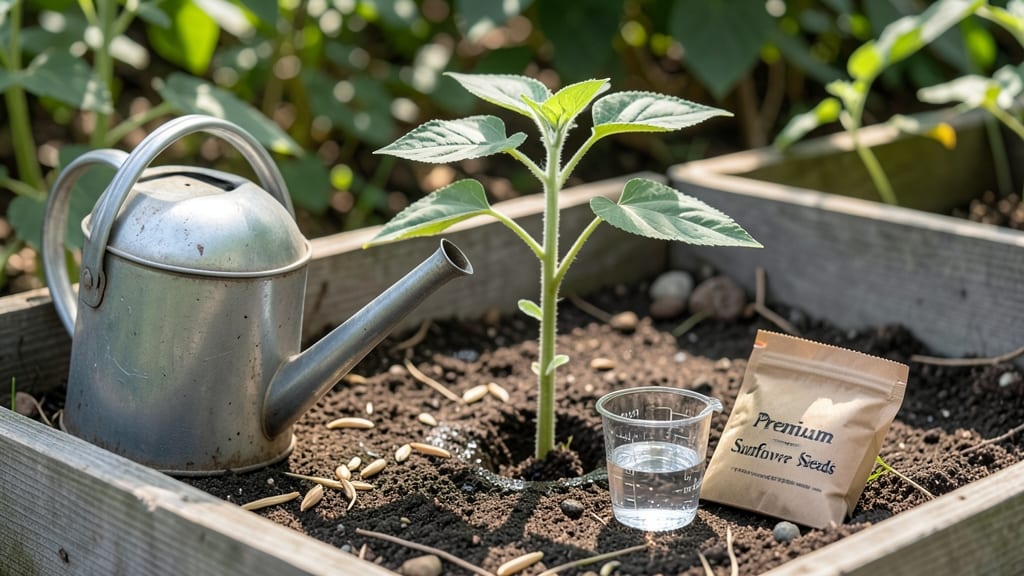
To get your sunflower seeds sprouting reliably, how often to water sunflower seeds is everything—one misstep, and your tiny seeds dry out before they even crack open. I’ve watched dozens of sunflower seeds fail because of watering mistakes, and the fix is simpler than you think.
Here’s the truth: sunflower seeds need moisture to germinate, but too much water can drown them before they break through the soil. The key is keeping the soil consistently damp (not soggy) during those first critical days.
Let me walk you through the exact schedule—from planting to those first green shoots—so you never waste another seed.
Whether you’re starting them indoors or sowing directly in your garden, the rules change slightly based on your climate. I’ll cover how to adjust for dry heat, humidity, and even your soil type so your 🌻 seeds thrive no matter where you live.
By the end, you’ll know exactly when to water, how much to give, and what to watch for to avoid common pitfalls. No more guesswork—just reliable, foolproof germination every time.
Sunflower seed watering schedule: day-by-day germination guide
Getting your sunflower seeds to sprout can feel like waiting for a miracle—but it’s all in the watering routine. Too little moisture, and your seeds dry out; too much, and they rot before germinating.
The key is consistent, gentle hydration that keeps the soil damp (not soggy) from planting to those first green shoots. Whether you’re starting indoors or outdoors, this day-by-day schedule ensures perfect conditions for germination.
Sunflower seeds need warmth (70-75°F) and moisture consistency to break dormancy. Most seeds germinate in 7-14 days, but the timing depends on your soil type and environmental factors. For example, sandy soil drains faster, requiring more frequent watering, while clay soil holds moisture longer.
Below, I’ll walk you through the exact watering steps—plus how to adjust for indoor vs. outdoor setups.
🌱 Step-by-Step Sunflower Seed Watering Schedule
- Day 0 (Planting Day): Water thoroughly after planting to settle soil around seeds. Use a spray bottle or fine mist to avoid displacing seeds. Aim for 1 inch deep moisture (test with your finger—top 1 inch should feel damp).
- Days 1-3: Keep soil consistently moist (not wet). Water lightly every 1-2 days using a spray bottle or gentle stream. Check moisture by touching the soil—it should feel like a wrung-out sponge. Avoid overhead watering to prevent fungal risk.
- Days 4-6: Increase frequency to daily watering if the top ½ inch dries out. Sunflower seeds need steady hydration during this critical germination window. Use a moisture meter or stick your finger in—if it’s dry past ½ inch, water again.
- Days 7-10: Reduce to every other day once sprouts appear. Water deeply at the base of seedlings (not the leaves) to encourage strong root development. Watch for yellowing leaves, a sign of overwatering.
- Days 11-14: Transition to 3x weekly watering as true leaves emerge. Let the top 1 inch dry slightly between waterings to prevent rot. If growing indoors, use a humidity tray to maintain moisture.
- After Sprouting (2+ weeks): Shift to deep watering every 3-5 days. Sunflowers are drought-tolerant once established, but young plants need consistent moisture to avoid stress. Water in the early morning to reduce evaporation.
Your soil type plays a huge role in this schedule. For example, sandy soil may need watering daily during Days 1-6, while loamy soil can stretch to every other day.
Always test moisture by inserting your finger 1 inch deep—if it’s dry, water again. Overwatering is the #1 killer of germinating seeds, so err on the side of slightly drier soil if you’re unsure.
Environmental factors also demand adjustments. If you’re growing in a hot, dry climate, increase watering frequency by 20-30% to compensate for evaporation. Conversely, cool or humid conditions may require less frequent watering.
A south-facing window for indoor starts ensures warmth, but avoid placing seeds near heating vents, which can dry out soil too quickly.
Watch for signs of stress like wilted seedlings or blackened stems, which signal overwatering. If your soil feels muddy or smells sour, flush it with fresh water to improve aeration.
For outdoor plantings, mulch around seeds with straw or shredded leaves to lock in moisture and regulate soil temperature.
Once your sunflowers reach 2-3 inches tall, you can gradually reduce watering to every 3-5 days, letting the soil dry slightly between sessions. This mimics natural rainfall patterns and strengthens root systems.
Remember: consistency is key—sunflowers hate moisture swings, so stick to this schedule until they’re 6 inches tall, when they’ll tolerate slightly drier conditions.
With this day-by-day watering plan, your sunflower seeds will sprout reliably in 7-14 days. The secret? Patience and precision. Avoid the temptation to overwater—sunflowers are resilient once they break the surface, but they need your careful attention during those first critical days to get started right.
🌻
Critical mistakes that kill sunflower seeds (and how to avoid them)
I’ve seen sunflower seeds rot in the ground or dry up before sprouting—usually because of one simple mistake: watering wrong. The biggest culprit? Overwatering or letting the soil dry out completely.
Both kill seeds by disrupting their delicate germination process. The goal is consistent moisture, not a soggy swamp or bone-dry dirt.
Another common error is uneven water distribution. If one seed gets too much water while another stays dry, you’ll end up with patchy germination. I’ve even seen gardeners water at the wrong time of day, leading to fungal issues or wasted moisture.
Let’s fix these mistakes so your seeds thrive from day one.
⚠️ Watering Warning: The #1 Killer of Sunflower Seeds
Sunflower seeds need damp (not wet) soil for germination. Water only when the top inch feels dry. Overwatering causes rot, while underwatering leads to dry seeds. Check soil moisture daily during germination!
First, over-saturation is a silent killer. When seeds sit in waterlogged soil, they suffocate from lack of oxygen. I’ve lost entire trays of seeds because the bottom drained poorly.
Always use containers with drainage holes or sow in well-draining garden soil. If your soil feels squishy, hold off on watering—damp is the goal, not soggy.
Timing matters too. Watering at night keeps soil too moist overnight, inviting mold and fungal diseases. Instead, water in the morning so excess moisture evaporates. I’ve seen seeds sprout perfectly when watered this way, while night-watered seeds developed fuzzy mold within days. Consistency is key—stick to the same schedule daily.
Even uneven moisture can ruin your seeds. If one side of your seed tray gets more water than the other, you’ll see lopsided germination. To fix this, use a gentle spray bottle or water slowly from above.
I like to water until moisture reaches 1 inch deep—this ensures all seeds get equal hydration without drowning.
Finally, skipping the moisture check is a rookie mistake. Stick your finger 1 inch into the soil—if it’s dry, water lightly. If it’s still damp, wait another day.
I keep a small notebook to track soil moisture, and it’s saved me from overwatering disasters. This simple habit prevents both rot and dehydration.
By avoiding these watering mistakes, your sunflower seeds will germinate reliably. The secret? Consistency, timing, and moderation—no more guesswork, just happy sprouts. Your towering sunflowers will thank you later! 🌱💧