
Flowers
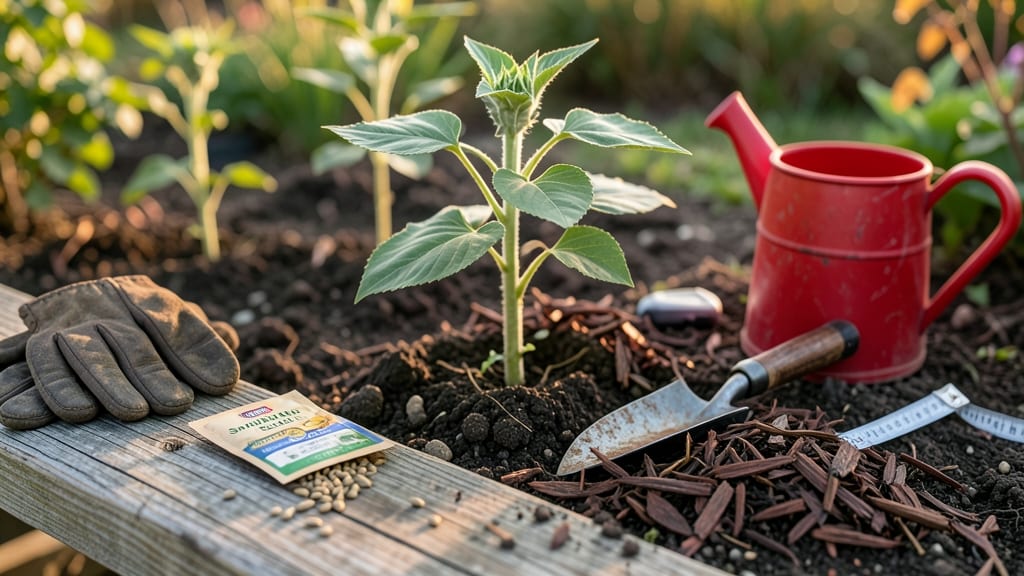
Planting sunflowers in Zone 7 at the wrong time can mean watching your 🌻 dreams wilt before they even bloom.
The key to success lies in timing—sowing these cheerful giants after the last frost, when soil temperatures are just right, ensures they reach their towering potential without freezing or bolting too early.
For most gardeners in Zone 7, that window opens between mid-April and early June, but the exact moment depends on your variety. Giant sunflowers need a longer growing season, while dwarf types can handle a shorter stretch.
I’ll break down the best planting dates and share tips to extend your harvest into fall.
You don’t need to start sunflowers indoors—just direct-sow seeds outdoors once the soil warms up. But if late frosts linger, a little extra care can push your blooms into October. Let’s dive into the perfect timing and tricks to keep your sunflowers thriving all season long.
Whether you’re growing 12-foot giants or compact varieties, getting the timing right makes all the difference. I’ll show you how to align your planting with Zone 7’s climate, so you can enjoy sunflowers from summer straight through to autumn.
Zone 7 sunflower planting calendar: frost-free deadlines by variety type
Sunflowers in Zone 7 need precise timing to thrive, especially since varieties range from 60-day dwarfs to 120-day giants. Planting too early risks frost damage, while late planting may delay blooms until fall.
The key is aligning your variety’s mature days with your last frost date, which typically falls around April 15 in most of Zone 7.
For giant sunflowers (like 'Mammoth' or 'Russian Giant'), you’ll want to start seeds by mid-April to ensure they have enough warm days to reach maturity. Medium varieties (such as 'Autumn Beauty') can handle a slightly later start, while dwarf sunflowers (like 'Teddy Bear') offer flexibility for late-season planting.
Here’s how to match your sunflower variety to Zone 7’s frost-free window for maximum success:
| Variety Type | Days to Maturity | Ideal Planting Window | Last Frost Deadline | Notes |
|---|---|---|---|---|
| Giant Sunflowers | 120+ days | Mid-April to early May | April 15 (early Zone 7) | Start early for full growth; use frost cloth if needed. |
| Medium Sunflowers | 90-110 days | Late April to mid-May | April 30 (mid Zone 7) | Flexible timing; great for succession planting. |
| Dwarf Sunflowers | 60-80 days | Early May to June | May 15 (late Zone 7) | Best for late-season blooms; tolerate cooler temps. |
If you’re in northern Zone 7 (like parts of Pennsylvania or Virginia), aim for the earlier deadlines. In southern Zone 7 (like North Carolina or Georgia), you can push planting slightly later, especially for dwarf varieties.
Always check your local frost date averages—a quick online search for your city’s last frost date will refine these guidelines.
For giant sunflowers, I recommend planting by April 15 to ensure they reach their full height before the first frost in October. Medium varieties can handle a late-April start, while dwarf sunflowers are forgiving enough to plant as late as early June for fall blooms.
This flexibility makes them perfect for container gardening or small spaces.
Pro tip: Use a soil thermometer to confirm soil temperatures are above 55°F before planting. Cold soil can delay germination, even if air temperatures are warm. If frost threatens after planting, cover seedlings with frost cloth or a row cover for a few nights to protect tender sprouts.
Succession planting works well for sunflowers in Zone 7. Start with giant varieties in April, then follow with medium types in May, and finish with dwarf sunflowers in June. This staggered approach ensures continuous blooms from summer through early fall, giving you a non-stop sunflower show.
Remember, sunflowers are direct-sow crops—no need for indoor starts. Simply scatter seeds 1 inch deep and 6 inches apart, then thin seedlings to 12-24 inches apart as they grow. This method saves time and reduces transplant shock, which can set sunflowers back.
With the right timing, your Zone 7 garden can burst with sunflowers from July through October, turning heads and attracting pollinators. Whether you’re growing 12-foot giants or compact dwarfs, this calendar ensures your sunflowers thrive all season long. 🌻
How to extend your sunflower growing season in Zone 7
Zone 7 gardeners know the struggle—sunflowers bolt too fast or frost nips tender seedlings before they bloom. But with the right strategies, you can push your sunflower season deep into fall, enjoying vibrant blooms well past Labor Day.
The secret lies in succession planting, cold-hardy varieties, and a few clever tricks to protect young plants from late frosts.
First, focus on late-season varieties like 'Autumn Beauty' or 'Teddy Bear'—these cold-tolerant types handle cooler temps better than giant varieties. Pair them with succession planting every 2-3 weeks from May through early July. This staggered approach ensures fresh blooms when earlier plantings fade.
Here’s how to maximize your sunflower season in Zone 7:
- Choose cold-hardy varieties like 'Autumn Beauty' or 'Moulin Rouge'—these bloom in cooler temps and tolerate light frosts better than standard types.
- Plant succession batches every 2-3 weeks from May through early July to stagger blooms and extend your harvest window.
- Use black plastic mulch or straw mulch to warm soil faster and protect seedlings from late frosts—this can push germination by 1-2 weeks.
- Cover young seedlings with frost cloth or row covers if temperatures dip below 40°F at night—this buys them time to establish roots.
- Plant dwarf varieties in containers—these can be moved to sheltered spots or even indoors (with bright light) if frost threatens early.
Don’t overlook soil warming—sunflowers need soil temps above 55°F to germinate. Clear debris from planting areas in early spring to let sunlight warm the soil faster.
For extra warmth, lay down black plastic mulch a week before planting—this can raise soil temps by 5-10°F, giving seedlings a head start.
Protecting seedlings is key, especially in Zone 7’s unpredictable fall. If frost warnings appear, drape frost cloth over young plants at night and remove it during the day.
For container-grown sunflowers, move pots to a sheltered porch or garage overnight. These small steps can add 2-4 weeks to your blooming season.
With these tactics, your sunflowers can thrive well into October, turning your garden into a golden autumn spectacle. Try planting a final batch of dwarf sunflowers in early July—you’ll be rewarded with cheerful blooms just as summer fades into fall. 🌻