
Flowers
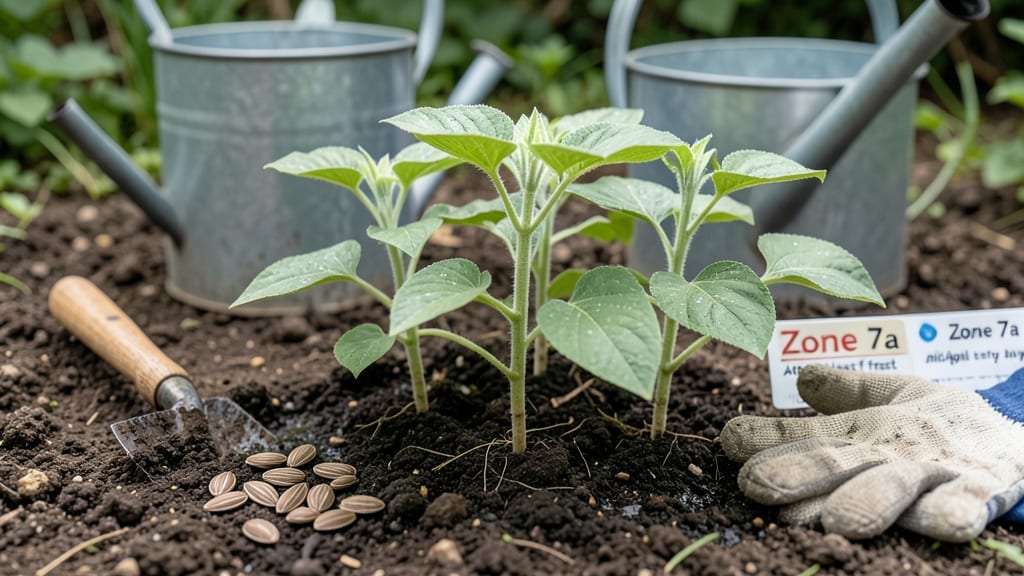
If you’ve ever dreamed of growing towering 🌻 sunflowers in Zone 7a—only to watch them wilt before they fully bloom—when to plant sunflowers in zone 7a is the secret you’ve been missing.
Planting too early risks frost damage, while waiting too long cuts your chances of those 12-foot giants you’ve seen in magazines.
The perfect window for planting sunflowers in Zone 7a isn’t just about avoiding frost—it’s about giving them the 165 frost-free days they need to mature.
Whether you’re aiming for summer blooms or a late-season show, I’ll break down the exact months to start seeds and transplants, plus how to adjust for giant varieties that need a head start.
You’ll also discover how to spot the signs of a successful harvest (like those telltale yellow petals) and avoid common mistakes that stunt growth—like overcrowding or skipping soil prep. Let’s turn your sunflower dreams into a garden full of sun-soaked, sky-high blooms.
Ready to plant with confidence? Here’s your step-by-step guide to timing it just right for maximum height and vibrant blooms—no guesswork required.
Zone 7a frost dates and ideal sunflower planting windows
In Zone 7a, sunflowers thrive when planted during two key windows: spring (after last frost) and late summer (for fall blooms). The average last frost date is around April 15, while the first frost typically arrives October 15.
This gives you about 165 frost-free days—just enough time for sunflowers to reach their towering 6–12-foot heights before winter sets in.
Sunflowers are cold-tolerant seedlings but need soil temperatures above 55°F to germinate properly. Planting too early (before May 1) risks frost damage to young sprouts, while waiting too late (after June 15) may stunt their growth before the first frost.
Let’s break down the exact timing and conditions for success.
For maximum height, aim for spring planting between May 1 and June 1. This window ensures sunflowers have 100+ days to mature before the first frost. For example, the ‘Mammoth’ variety needs 120 days to reach its 12-foot potential, so planting by May 15 guarantees full growth.
If you’re growing dwarf varieties (1–3 ft), like ‘Teddy Bear’, you have more flexibility—plant as late as June 20 for fall blooms. These shorter varieties tolerate cooler temps better and can still thrive with 60+ days of growth before frost.
Soil temperature is critical: use a soil thermometer to confirm it’s 55°F+ before planting. Cold soil slows germination, leaving seedlings vulnerable to frost damage. In Zone 7a, wait until May 1 to avoid this risk entirely.
For late summer planting, focus on July 20–August 10 to ensure blooms appear before frost. This works best for short-season varieties like ‘Autumn Beauty’, which produce vibrant flowers even with 80 days of growth. Just be prepared for shorter stems (4–6 ft) compared to spring-planted giants.
Pro tip: Use row covers if planting in early May to protect seedlings from unexpected late frosts. Remove covers once plants reach 6 inches tall to avoid overheating. This extends your planting window by 2–3 weeks without risking frost damage.
Monitor your local microclimate—areas near water bodies or south-facing slopes stay warmer longer, delaying frost. In these spots, you can push planting to June 10 for taller sunflowers. Conversely, valleys or shaded areas may frost earlier, so plant 2 weeks earlier there.
Finally, track your sunflowers’ growth with a growth journal. Note when they reach 12 inches tall—this signals rapid height gain. In Zone 7a, most sunflowers hit 6 feet by August 1 if planted in early May.
Adjust future plantings based on these observations to fine-tune your timing.
How to adjust planting for giant sunflower varieties in Zone 7a
Giant sunflower varieties like ‘Mammoth’ and ‘Russian Giant’ can reach 12–14 feet tall, but they demand special care in Zone 7a. These towering beauties need an earlier start than dwarf varieties to mature before the October 15 first frost.
If you’re aiming for sky-high sunflowers, planting too late means missing their full potential—often resulting in stunted growth or no blooms at all.
For giant varieties, I recommend starting seeds 6–8 weeks before your last frost date (around March 1–3 in Zone 7a). This gives them a head start indoors under grow lights or warm windowsills.
Transplant seedlings outdoors after the April 15 last frost date when soil temperatures hit 50°F (10°C) or warmer.
Here’s the key difference: dwarf varieties can handle later plantings, but giants need that extra time to develop strong stems and reach their maximum height. Without an early start, they’ll focus energy on survival rather than growth, leaving you with disappointingly short stalks.
To extend the growing season for giants, use floating row covers or mini greenhouses until late May. These protect young plants from late frosts and cold snaps, giving them a 2–3 week growth boost.
Remove covers once true leaves appear to avoid overheating. Pair giants with bush beans or marigolds—these companions improve soil structure and deter pests like sunflower moths.
For lodging prevention (when stems flop over), stake giants with bamboo stakes or tomato cages at planting. Space them 2–3 feet apart to allow airflow, reducing fungal risks.
If you’re short on space, try ‘Autumn Beauty’, a giant variety that blooms in late summer and tolerates cooler temps better than others.
With the right timing and care, your ‘Mammoth’ sunflowers will reach 12 feet or taller by late summer—turning your garden into a pollinator paradise. Just remember: earlier starts = taller stems, and companion plants = healthier growth. 🌻