
Plants
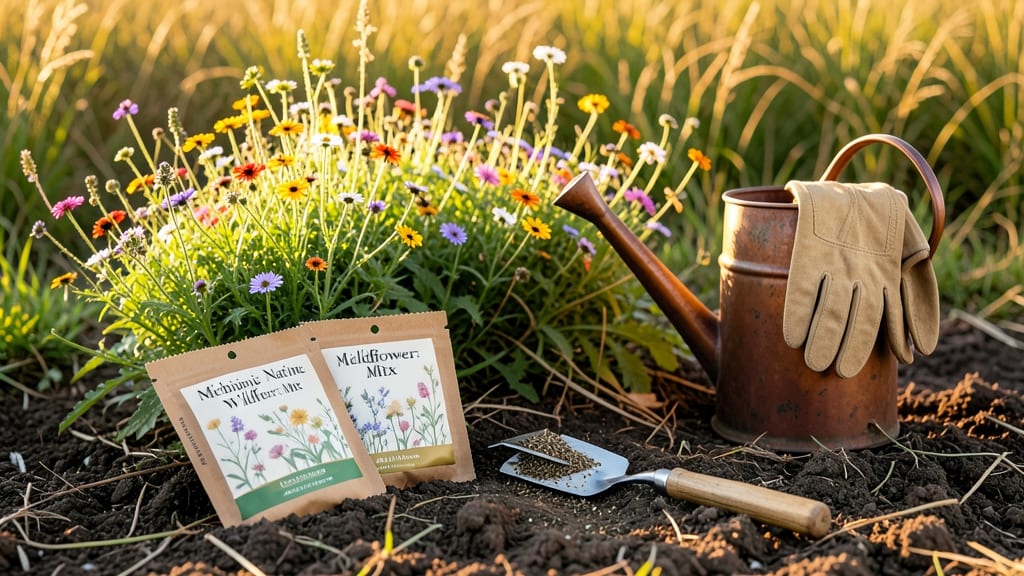
Planting wildflower seeds in Michigan at the wrong time means waiting months—or even years—for those vibrant blooms to appear. The perfect window is narrow, but timing it right guarantees a meadow bursting with color by next spring.
Whether you're in USDA Zone 5a or 6b, knowing when to scatter those seeds makes all the difference.
Most gardeners assume spring is the only option, but fall planting actually gives wildflowers a head start. Late August to early September offers ideal soil conditions, while early spring (March-April) works too—just avoid frost dates.
I’ll break down the exact deadlines for both seasons, so you never miss your chance to transform bare soil into a pollinator paradise.
Why does timing matter so much? Wildflowers like black-eyed Susans and purple coneflowers need consistent moisture and warm soil to germinate. Plant too early, and frost will kill your efforts; too late, and weeds steal the spotlight.
I’ll share my pro tips for soil prep, seed spacing, and even which native varieties thrive best in Michigan’s climate.
Ready to skip the guesswork? Let’s dive into the frost-free deadlines and step-by-step strategies that’ll have your wildflowers 🌼 blooming like clockwork—no matter where you are in the state.
Michigan wildflower planting deadlines by USDA Zone 5-6 (spring vs fall)
Planting wildflower seeds in Michigan requires precise timing to beat frost risks and maximize germination rates. In USDA Zones 5-6, your success hinges on understanding the last spring frost (mid-April) and first fall frost (mid-October).
Northern Michigan (Zone 5) has stricter deadlines than Southern Michigan (Zone 6), where summers linger slightly longer.
Fall planting is my top recommendation for perennial wildflowers—they establish roots before winter and bloom earlier next spring. Annuals, however, thrive when sown in early spring (after frost risk passes). Let’s break down the exact planting windows and regional variations to help you avoid costly mistakes.
Here’s your frost-free planting timeline for Michigan, tailored to your location and seed type:
| Planting Window | USDA Zone 5 (Northern MI) | USDA Zone 6 (Southern MI) | Soil Temp Requirement | Seed Type |
|---|---|---|---|---|
| Spring Planting | Early May (after last frost) | Late April (after last frost) | 50°F+ (10°C+) | Annuals, tender perennials |
| Fall Planting | September 1-15 | September 15-October 1 | 60°F+ (15°C+) | Perennials, hardy annuals |
| Soil Prep Window | April (tilling) or August (raking) | April (tilling) or September (raking) | N/A | All seed types |
| Late Planting Risk | High (frost by Oct 15) | Moderate (frost by Nov 1) | N/A | All seed types |
For Zone 5 gardeners in Northern Michigan (e.g., Traverse City, Marquette), aim to plant perennial wildflowers by September 15 at the latest. Soil temperatures drop below 50°F after this date, slowing germination.
In Zone 6 (Grand Rapids, Detroit), you’ve got a slightly longer window—up to October 1—but don’t push it.
Spring planting in Michigan is trickier due to late frosts. Wait until May 1 in Zone 5 and April 25 in Zone 6 to ensure frost-free soil.
I recommend testing soil temperature with a soil thermometer—sow only when it consistently stays above 50°F for 3+ days. Annual wildflowers like cosmos or zinnias germinate faster in warm soil, giving them an edge over perennial seeds, which need more time to establish.
Regional microclimates matter! Southern Michigan’s urban heat islands (e.g., Detroit) can extend fall planting by 1-2 weeks compared to rural areas. If you’re near Large Lakes (Huron, Michigan), expect cooler soils—delay planting by 5-7 days to account for lake breezes lowering temperatures.
Soil preparation is just as critical as timing. For spring plantings, till or rake your bed in April to loosen soil and remove weeds. In fall, focus on raking (not tilling) to avoid disturbing established roots.
Mix in compost or a light fertilizer (5-10-10) to boost nutrient availability—wildflowers thrive in well-draining, slightly rocky soil, mimicking Michigan’s natural prairie ecosystems.
Pro tip: Stratify seeds if planting in fall. Many Michigan natives (like black-eyed Susans or purple coneflowers) benefit from a cold-moist period. Scatter seeds in September, then lightly cover with straw mulch. Nature handles the stratification—by spring, you’ll have vigorous seedlings ready to bloom.
Miss the deadline? Don’t panic. Annual wildflowers can still be sown until June 15 in both zones, though expect smaller blooms
5 Critical factors that determine your planting success in Michigan
Planting wildflower seeds in Michigan isn’t just about tossing them into the ground—it’s about understanding your local conditions. I’ve learned the hard way that skipping these five key factors can turn your dream meadow into a patch of weeds.
Whether you’re in USDA Zone 5a or 6b, these variables make or break your success.
First, soil temperature is non-negotiable. Wildflowers need the ground to warm to at least 50°F before germination. Test with a soil thermometer—cold soil delays sprouting, and you’ll miss the window. I always check in late April or early May for spring plantings, or September for fall.
Next, frost dates are your planting deadlines. In Michigan, the last spring frost typically hits mid-April, while the first fall frost arrives around mid-October.
Planting too early risks frost damage, while late plantings may not establish roots before winter. I mark these dates on my calendar to avoid costly mistakes.
Don’t overlook moisture levels. Wildflowers need consistent moisture to germinate, but overwatering drowns seeds. Aim for 1/2 inch of water weekly during the first month. I use a rain gauge to track moisture—especially in Michigan’s unpredictable spring showers. Drought-tolerant varieties like purple coneflower handle dry spells better once established.
Your seed type matters too. Native wildflowers (e.g., black-eyed Susan) thrive in Michigan’s climate, while ornamental mixes may struggle. I always opt for region-specific blends to ensure hardiness. Check the seed packet for cold-hardy labels—some varieties sprout in cooler temps than others.
Sunlight exposure is another game-changer. Most wildflowers need 6+ hours of sun daily, but shade-tolerant species like trillium work in woodland edges. I test my garden’s sunlight with a sunlight tracker app to match plants to spots. Poor sunlight = sparse blooms.
Finally, late plantings carry risks. If you miss the September deadline for fall planting, seeds may not germinate before winter. I’ve seen gardeners plant in October only to watch seeds rot in cold, wet soil. When in doubt, wait for the next season—patience pays off with vibrant blooms.
- 🌡️ Soil Temperature: Wait until soil reaches 50°F+ (late April/May or September). Use a thermometer to verify.
- ❄️ Frost Dates: Spring deadline = 2 weeks after last frost (mid-April). Fall deadline = 6 weeks before first frost (mid-October).
- 💧 Moisture Levels: Keep soil consistently moist (1/2 inch weekly) for 4–6 weeks post-planting. Avoid waterlogging.
- 🌱 Seed Type: Choose native Michigan varieties (e.g., purple coneflower, black-eyed Susan) for best survival. Check cold-hardiness labels.
- ☀️ Sunlight Exposure: Match seeds to 6+ hours of sun (full sun) or partial shade (woodland species). Test your garden’s sunlight first.
Pro tip: Combine these factors with light raking after planting to ensure seed-to-soil contact. I’ve seen germination rates jump from 30% to 80% with this simple step. Now you’re ready to plant with confidence—no more guessing games!