
Plants
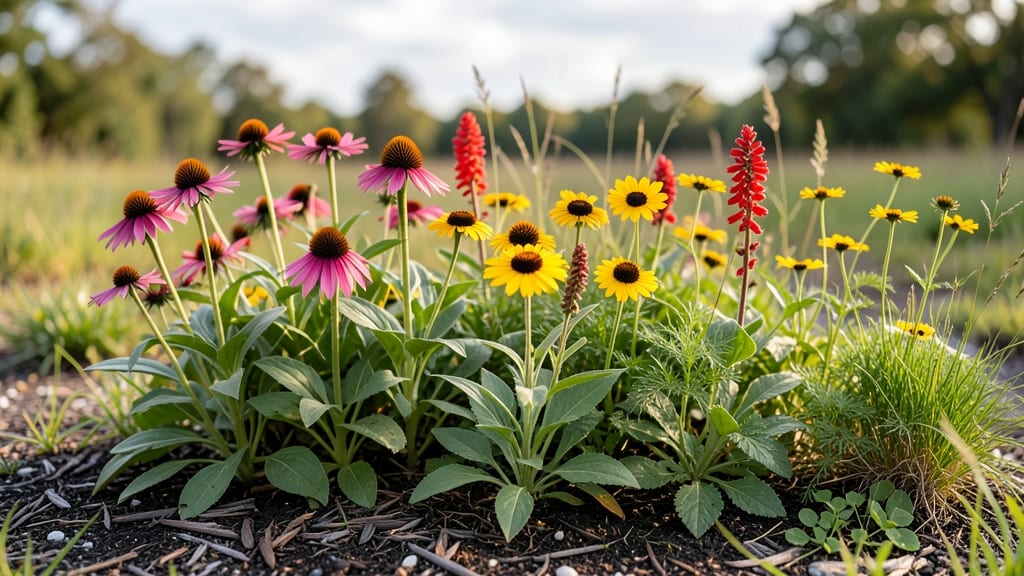
Planting wildflower seeds in Tennessee at the wrong time means waiting months—or even years—for those vibrant blooms to appear. The key to success lies in understanding your USDA zone, whether you're in cooler 6a or warmer 8b, because timing directly impacts germination rates and survival.
Most gardeners swear by spring planting, but Tennessee's diverse climate actually rewards two planting windows: early spring (March-April) when soil temperatures rise above 50°F, and fall (September-October) to take advantage of cooler weather before winter sets in.
This dual approach maximizes your chances of seeing those 🌱 wildflowers push through within weeks, not months.
I've learned the hard way that summer planting is a gamble—unless you're in the southernmost zones where heat tolerance is less of an issue. The right timing isn't just about when you sow; it's about creating conditions where seeds can establish roots before facing Tennessee's unpredictable weather patterns.
What you're about to discover are the exact planting deadlines for each zone, plus the native wildflower varieties that thrive here. We'll cover everything from soil prep to post-planting care so you can transform your space into a pollinator paradise without the guesswork.
Tennessee’s best wildflower planting deadlines by USDA Zone (6a-8b)
Tennessee’s wildflower meadows burst with color when planted at the right time, but USDA zones 6a through 8b create big differences in frost timing. In Zone 6a, late frosts can linger until mid-April, while Zone 8b gardeners might face minimal frost risks by mid-February.
Getting your seeds in the ground during the optimal 4-6 week window ensures strong germination before summer heat arrives.
Most wildflower seeds need consistent soil temperatures above 60°F to sprout, which typically happens in late March to early April for cooler zones. However, fall planting (September-October) gives seeds time to establish roots before winter dormancy.
The key is avoiding both late spring frosts and summer drought stress—both can kill young seedlings.
Let’s break down the best planting months for each Tennessee zone, including zero-frost bloom strategies for year-round color. Whether you’re in the Appalachian highlands (6a) or the Gulf Coastal Plain (8b), these deadlines will help you skip the guesswork.
| USDA Zone | Spring Planting Window | Fall Planting Window | Last Frost Date | Zero-Frost Blooms Tip |
|---|---|---|---|---|
| 6a (East TN) | April 15–May 15 | September 1–October 15 | April 10–May 1 | Plant black-eyed Susans in late May for summer blooms. |
| 7a (Middle TN) | March 20–April 30 | September 15–October 30 | March 20–April 1 | Sow coreopsis in early March for early spring color. |
| 7b (West TN) | March 1–April 15 | September 1–October 15 | March 1–March 15 | Try annual sunflowers in late February for spring blooms. |
| 8a (Southeast TN) | February 15–March 30 | October 1–November 15 | February 1–February 15 | Plant lupines in January for winter-to-spring blooms. |
| 8b (Southwest TN) | January 15–February 28 | October 15–December 1 | January 1–January 15 | Sow marigolds in December for early spring color. |
For Zone 6a gardeners, the April 15–May 15 window is critical—planting too early risks frost damage, while waiting too long means seeds dry out before germinating. I’ve seen black-eyed Susans planted in late May still produce stunning summer blooms, but they’ll be smaller and less vigorous.
In Zone 8b, you can even sow hardy annuals like marigolds in December for early spring color.
Fall planting works best when seeds have 6–8 weeks to establish roots before the first frost. In Zone 7a, aim for September 15–October 30—this gives seeds time to germinate, grow a few leaves, and harden off before winter.
I’ve had purple coneflowers planted in late October survive and bloom the following spring with minimal care.
Tennessee’s variable weather patterns mean you should always check 7-day soil temperature forecasts before planting. A 50°F soil temp can delay germination by weeks. For fastest blooms, use a seedling heat mat if planting early in Zone 6a.
In Zone 8b, where winters are mild, you can even try winter sowing for early spring blooms.
One pro tip I swear by: mix wildflower seeds with a light layer of compost before covering with ¼-inch of soil. This helps retain moisture and provides early nutrients for seedlings.
In Zone 7b, where summers are hot, I also recommend mulching with straw to keep soil cool and moist during germination.
If you miss the primary planting windows, don’t panic! Many wildflowers like coreopsis and goldenrod can be sown through early summer, though they may bloom later. Just be prepared for less vigorous growth if planted after mid-June.
For year-round blooms, stagger plantings by 4–6 weeks—this ensures continuous color from spring through fall.
5 Wildflower seed types that thrive in Tennessee’s climate (and when to plant them)
Tennessee’s native wildflowers are the unsung heroes of low-maintenance gardens, offering vibrant blooms while supporting local ecosystems. I’ve found that the right species can transform even the toughest spots—like clay-heavy soil or dry slopes—into thriving meadows.
The key is matching each plant’s frost tolerance and bloom cycle to your planting window, whether you’re in zone 6a or 8b.
For example, black-eyed Susan (Rudbeckia hirta) and purple coneflower (Echinacea purpurea) are two of my top recommendations. They’re not just beautiful—they’re drought-tolerant once established, perfect for Tennessee’s unpredictable rainfall. But timing matters: plant these in early spring (March-April) or fall (September-October) to avoid the heat stress of summer sowing.
🌱 Numbered Highlights: Tennessee Wildflower Planting Guide
- Black-eyed Susan: Plant March-April or September for summer blooms. Thrives in full sun and tolerates poor soil. Height: 2-3 ft. 🌻
- Purple Coneflower: Sow April-May or late August for late summer flowers. Drought-resistant once rooted. Height: 2-4 ft. 💜
- Coreopsis: Best planted March-April or September-October. Loves hot, dry conditions. Height: 1-3 ft. 🌼
- Butterfly Weed: Ideal for fall planting (September) in zones 6a-7a. Bright orange blooms attract pollinators. Height: 1-2 ft. 🦋
- Goldenrod: Plant late summer (August) for fall color. Thrives in moist to dry soil. Height: 2-4 ft. 🌾
Pro Tip: All these varieties self-seed, so you’ll get free blooms for years!
If you’re in northern Tennessee (zone 6a), focus on fall planting for wildflowers like butterfly weed (Asclepias tuberosa). This gives seeds time to germinate before winter dormancy, and they’ll burst into color the following spring.
I’ve seen butterfly weed planted in September produce blooms as early as May—a pollinator magnet from day one.
For southern Tennessee (zone 7b-8b), you’ve got more flexibility. Coreopsis and goldenrod handle summer heat better, so you can extend your planting window into early fall (October).
Just be sure to water deeply after sowing, as Tennessee’s summer heat can dry out seeds quickly. A light mulch layer helps retain moisture without smothering new sprouts.
One mistake I see often is planting too late in spring. By June, the heat and humidity create a perfect storm for fungal issues. Instead, aim for April showers—literally!
The natural rainfall helps establish roots before summer’s dry spells. And if you’re in zone 8b, you might even squeeze in a late summer planting (July-August) for fall blooms.
Remember, these wildflowers aren’t just about beauty—they’re ecosystem builders. Planting the right mix supports bees, butterflies, and birds while requiring minimal care from you. Start with just one or two varieties, master the timing, and watch your Tennessee garden transform into a wildflower oasis with minimal effort. 🌿