
Plants
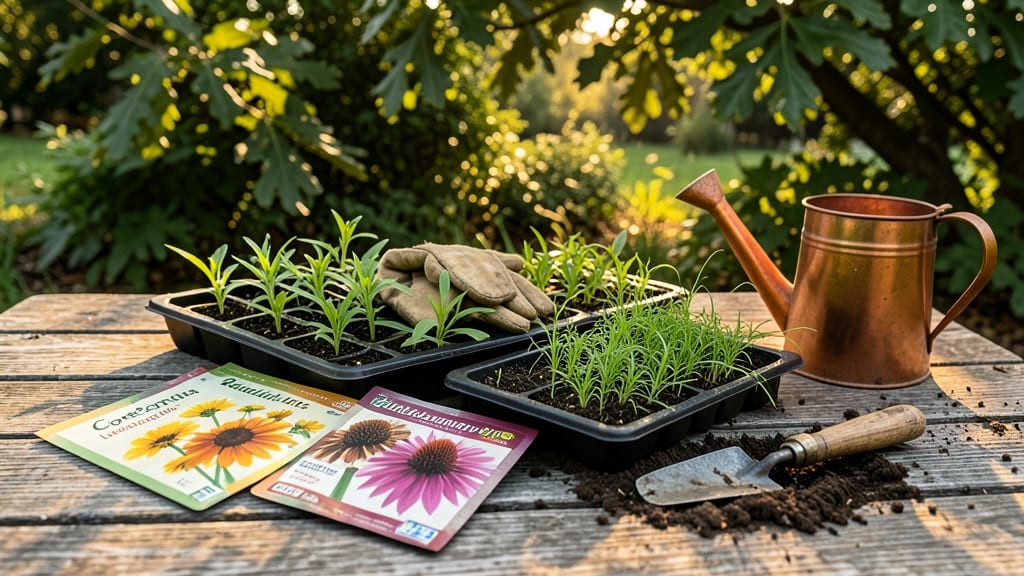
Planting wildflower seeds in Virginia at the wrong time can mean the difference between a stunning 🌼 meadow and a patch of disappointment. The key isn't just knowing when—it's understanding how Virginia's varied climate zones create different deadlines for success.
From the Coastal Plain's milder winters to the Appalachian Plateau's chilly highlands, your planting window shifts dramatically.
In USDA zones 6a-8a, timing matters more than you might think—get it right, and you'll see vibrant blooms by spring; get it wrong, and frost or drought could wipe out your efforts before they begin.
I've tested the best strategies across Virginia's regions, and what works in Richmond won't always work in Roanoke. Whether you're sowing in late winter or preparing for a fall planting, this guide gives you the exact frost-free deadlines you need to maximize germination.
Ready to transform your yard into a pollinator paradise? Let's dive into the precise planting windows for your specific corner of Virginia—and the simple soil prep tricks that make all the difference.
Virginia’s frost-free deadlines by region: best planting windows for wildflowers
Virginia’s diverse climate zones create unique planting windows for wildflowers, where a single week can mean the difference between thriving blooms and failed germination. The state spans USDA zones 6a-8a, with coastal areas warming earlier than mountainous regions.
Understanding your frost-free dates is critical—most wildflower seeds need consistent soil temperatures above 60°F to sprout successfully.
Each region’s last spring frost and first fall frost dictates ideal planting months. Coastal Virginia’s mild winters allow earlier spring planting, while the Appalachian Plateau’s high elevations may delay spring efforts until May.
I’ll break down the five key regions with their frost-free averages and precise planting windows to help you time your wildflower meadow perfectly.
🌱 Pro Tip: Always check your local Cooperative Extension Service for year-specific frost dates—these averages can shift by 7-10 days annually. For example, 2023’s last frost in Roanoke came two weeks later than the 30-year average!
In the Coastal Plain (zones 7a-8a), you can start wildflower seeds as early as March 1, taking advantage of the earliest frost-free dates in Virginia. This region’s mild winters create a 60-day growing window for spring-sown wildflowers before summer heat arrives.
Popular choices like Black-Eyed Susans and Coreopsis thrive here when planted by April 15.
Moving inland to the Piedmont region (zones 6b-7a), your planting window shifts later to April 1-May 1. The later frost dates mean you’ll need to wait for soil temperatures to stabilize above 60°F, typically around April 10.
For fall planting, aim to finish by October 15—seeds need 6-8 weeks to establish roots before winter dormancy.
The Blue Ridge Mountains present unique challenges with their higher elevations and cooler microclimates. Here, wildflower seeds often wait until May 1 to avoid frost damage. Native species like Mountain Mint and Wild Bergamot excel in these conditions when planted in well-draining soils after the last frost.
For gardeners in the Valley & Ridge (zones 6a-6b), the Shenandoah Valley creates a microclimate where frost dates can vary by 10 days just miles apart. Plant your wildflower mix between April 15-May 15, focusing on drought-tolerant varieties like Purple Coneflower that handle the region’s hot summers.
In Virginia’s Appalachian Plateau (zone 6a), the latest frost dates in the state mean
Spring vs. fall planting: which is better for Virginia wildflowers?
Deciding between spring and fall planting for Virginia wildflowers depends on your specific goals and local climate. Both seasons offer advantages, but understanding the trade-offs will help you choose the best approach for your meadow or garden plot.
In Virginia's USDA zones 6a-8a, spring planting (March–May) aligns perfectly with the natural germination cycle of many wildflower species. However, fall planting (September–November) can reduce weed competition and provide a head start for early bloomers.
Spring Planting (March–May) vs. Fall Planting (September–November)
Spring Planting
- Pros: Longer growing season for establishment
- Pros: Better for late-season bloomers
- Pros: Easier to monitor and water
- Cons: Higher weed competition
- Cons: Risk of late frost damage
- Cons: Requires consistent moisture
Fall Planting
- Pros: Less weed competition
- Pros: Seeds germinate early spring
- Pros: More drought-tolerant establishment
- Cons: Limited time for seedling growth
- Cons: Requires precise timing
- Cons: Less control over germination
For Virginia gardeners, fall planting often yields better results because it allows seeds to establish roots before summer heat arrives. Many native wildflowers, like black-eyed Susans and coneflowers, thrive when planted in late September or October.
However, if you're aiming for immediate color, spring planting (especially in March) can produce faster blooms. Just be prepared to deal with more weeds and potential frost damage in early spring.
Regional exceptions exist—mountain areas (like the Blue Ridge) may benefit from earlier fall planting, while coastal regions can extend spring planting slightly later. Always check your local last frost date for precise timing.
My recommendation? Start with fall planting for long-term success, but keep some seeds back for spring to ensure continuous blooms throughout the season. The key is preparation—clear weeds, loosen soil, and water consistently for the best results. 🌼