
Plants
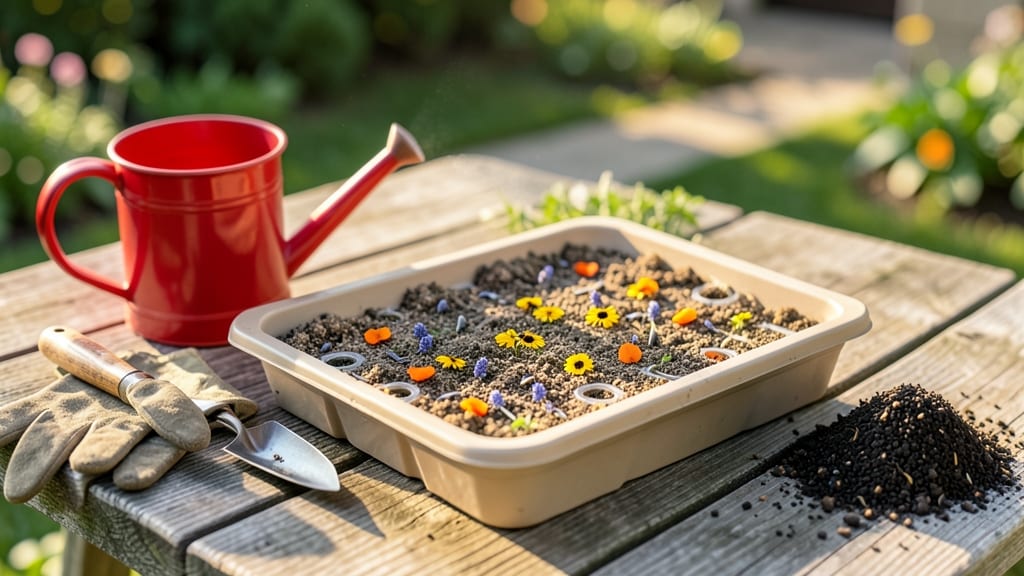
Planting wildflower seeds in Zone 8 at the wrong time could mean waiting months—or even years—for those vibrant blooms you’re dreaming of. The secret to a thriving meadow lies in understanding the two perfect windows that align with your local climate, not just the calendar.
Most gardeners in Zone 8 swear by fall planting between September and November, when cooler temperatures and consistent rainfall give seeds the ideal start. But did you know early spring (February to March) is just as effective—and sometimes even better—for certain species?
Let’s break down why timing matters so much and how to choose the best approach for your landscape.
Whether you’re reviving a patch of overgrown grass or creating a pollinator-friendly border, getting the timing right ensures your wildflowers 🌼 take root quickly and burst into color. I’ll walk you through the best months, regional tweaks, and simple prep steps to guarantee success—no guesswork required.
Ready to transform your outdoor space into a year-round floral display? The key is starting with the right schedule, and I’ve got the exact plan to help you skip the trial-and-error phase. Let’s get those seeds in the ground the smart way.
Optimal planting months for wildflowers in Zone 8 by seasonal type
In USDA Zone 8, the best months to plant wildflower seeds depend entirely on whether you're growing spring ephemerals, summer-long bloomers, or fall-perennial varieties.
The last frost date (typically mid-March) and first frost date (mid-November) create a narrow window for direct sowing, but strategic timing can ensure blooms from early spring through late fall.
Fall planting—between September and November—is my top recommendation for most wildflowers in Zone 8. Cooler temperatures and consistent rainfall create ideal germination conditions, while seeds get a head start before winter dormancy. Spring planting (February-March) works for heat-loving varieties that need to establish roots before summer's intensity.
Zone 8's 240 frost-free days allow for extended blooming seasons, but drought conditions in late summer can stress young plants. That’s why I always prioritize moisture retention during germination—whether through natural rainfall or supplemental watering.
For spring ephemerals like Virginia bluebells or trilliums, I plant seeds in late summer or early fall (September-October) to ensure they establish roots before winter. These beauties bloom briefly in March-May before summer heat arrives, so timing is critical to avoid missing their fleeting displays.
My summer-blooming favorites, such as Black-Eyed Susans and Mexican sunflowers, thrive when planted in February or March. The key is getting them in the ground 4-6 weeks before last frost—typically by early March in Zone 8—to give roots time to anchor before summer's intensity peaks.
Fall-perennial wildflowers, including purple coneflower and goldenrod, benefit from September-November planting. These varieties establish deep roots during the mild fall, then burst into color the following year. I always aim to plant before first frost (mid-November) to avoid winter stress.
Zone 8's drought-prone summers make moisture management non-negotiable. After sowing, I use straw mulch to lock in soil moisture and keep weeds at bay. For annual wildflowers planted in early spring, I water daily for the first 2 weeks to ensure germination success.
One common mistake I see is planting summer wildflowers too late—after April 15. By then, soil temperatures may already be too warm for optimal germination. I always check soil temps with a soil thermometer (ideal range: 60-70°F) before sowing spring seeds.
For coastal Zone 8 areas, I adjust planting slightly earlier (late January) to account for cooler ocean breezes, while inland desert regions may need delayed spring planting (late March) to avoid early heatwaves. Always check your local microclimate conditions for the most accurate timing.
How to adjust planting times for Zone 8 microclimates and soil conditions
Zone 8’s diverse microclimates can throw off even the most experienced gardener’s planting schedule. What works in a coastal area with mild winters may fail in a high desert or urban heat island. The key is adjusting your timing based on local conditions—not just the calendar.
For example, coastal regions like San Diego can plant wildflowers as early as August, while inland areas like Phoenix should wait until October to avoid summer heat stress.
Soil type also plays a critical role. Sandy soil drains too quickly, requiring earlier planting to capture moisture, while clay soil holds water too long, demanding later starts to prevent rot. Even loamy soil—the gardener’s gold—needs adjustments based on organic matter levels.
I’ll show you how to tweak your schedule for each scenario, ensuring your wildflowers 🌼 thrive no matter where you live in Zone 8.
Urban heat islands, where pavement and buildings trap heat, can push planting windows 2-3 weeks later than rural areas. Meanwhile, coastal breezes may allow for earlier spring sowing. Let’s dive into the specifics so you can align your planting with your unique growing conditions.
Microclimate Mistakes Can Ruin Germination
Planting wildflower seeds too early in high deserts risks drying out before rain arrives, while planting too late in coastal areas may expose seeds to winter storms. Soil temperature is your best guide: aim for 60-70°F for optimal germination. Use a soil thermometer to check—it’s the #1 tool for avoiding costly mistakes.
Pro Tip:
In urban heat islands, water deeply 2x daily for the first week to offset heat stress on young seedlings.
For sandy soil, scatter seeds in late August or early September to capitalize on residual summer moisture. Mix in compost to improve water retention, and use a light mulch to slow evaporation.
In contrast, clay soil benefits from October planting when temperatures drop, allowing seeds to germinate slowly without drowning in excess moisture.
Loamy soil is the most forgiving, accommodating both fall and spring plantings. However, even here, regional tweaks matter. In coastal Zone 8 (e.g., Santa Barbara), you can start as early as September 15th, while inland areas like Las Vegas should wait until October 15th to avoid summer’s intense heat.
Don’t overlook elevation changes within Zone 8. Mountainous regions may experience earlier frosts, pushing planting back to late September. Always check your last frost date—even in Zone 8, microclimates can vary by 10-14 days.
A quick online search for your specific ZIP code will reveal the truth.
Adjusting for your microclimate isn’t just about timing—it’s about soil prep too. For sandy soil, add peat moss to hold moisture; for clay soil, incorporate sand and organic matter to improve drainage.
Test your soil’s pH (aim for 6.0-7.0) and amend as needed. These small steps can double your germination rates and ensure blooms that last all season.