
Plants
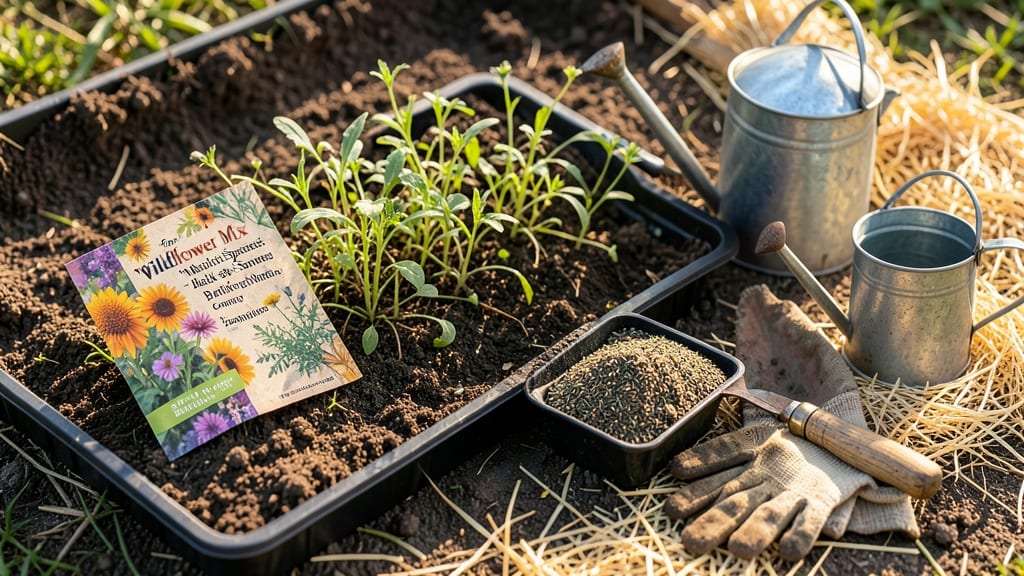
Planting wildflower seeds 🌼 in Zone 5 at the wrong time could mean waiting years for those vibrant blooms you dream of—because timing is everything when it comes to creating a thriving meadow.
The key lies in understanding your local frost dates and soil conditions, which can make or break your wildflower dreams before the first seed even sprouts.
Most gardeners in Zone 5a-5b assume spring is the only window, but fall planting offers a secret advantage: cooler temperatures and fewer weeds, giving your wildflowers a head start.
I’ve tested both seasons myself, and the results speak for themselves—especially when you factor in how summer droughts can stress young plants if they’re not established early.
In this guide, I’ll break down the exact frost-free windows for your region, plus soil prep tips that’ll have your wildflowers popping up faster than you can say “pollinator paradise.”
Whether you’re a first-time gardener or a seasoned pro, these insights will help you avoid common mistakes and get the most out of your seed packet.
Ready to transform your yard into a buzzing, blooming haven? Let’s dive into the best months to plant and the simple steps that’ll set you up for success—no guesswork required.
Best months to plant wildflower seeds in Zone 5 for maximum blooms
Timing your wildflower seeds correctly in Zone 5 is crucial for vibrant blooms. The last average frost date around April 15 and first frost near October 15 create two prime planting windows: early spring and fall. Each offers unique advantages, depending on your wildflower mix and local microclimate.
Spring planting (March-April) gives seeds a long growing season to establish roots before summer heat. Fall planting (September-October), however, lets seeds germinate in cool temperatures, reducing weed competition and avoiding summer drought stress. Both methods work, but your choice depends on your seed mix and regional variations.
Soil temperature is another critical factor. Wildflower seeds need soil at at least 50°F (10°C) to germinate. In Zone 5, this typically occurs by late March in spring and remains ideal until early October in fall. Testing soil temperature with a soil thermometer ensures you plant when conditions are perfect.
| Planting Window | Ideal Months | Soil Temp Threshold | Key Advantages | Microclimate Adjustments |
|---|---|---|---|---|
| Spring Planting | March-April | 50°F+ (10°C+) | Longer growing season; full summer blooms | Wait until after last frost; adjust for high-elevation areas |
| Fall Planting | September-October | 50°F+ (10°C+) | Reduces weeds; avoids summer drought | Plant 6-8 weeks before first frost; protect seeds in windy areas |
| Secondary Window | Late August | 60°F+ (15°C+) | Fast-growing annuals only; limited blooms | Best for dry, hot microclimates; water deeply |
For spring planting, focus on annual wildflowers like cosmos or zinnias, which germinate quickly and bloom by summer. Perennial mixes, such as coneflowers or black-eyed Susans, benefit more from fall planting because they need time to establish roots before winter. Always check your seed packet for specific recommendations.
Zone 5’s microclimates can shift planting windows by 2-4 weeks. Urban areas often experience heat islands, allowing earlier spring planting, while rural spots may need to wait until mid-April. Similarly, high-elevation gardens (above 2,000 feet) should delay planting until late April to avoid late frosts.
If you live in a windy region, consider using a straw mulch or jute netting to protect seeds from erosion. In shady microclimates, opt for partial-sun wildflowers like bee balm or columbine, which tolerate less sunlight but still thrive with proper timing.
After planting, maintain consistent moisture for the first 4-6 weeks to encourage germination. Avoid overwatering, as wildflowers prefer drought-tolerant conditions once established. A light mulch layer helps retain moisture while suppressing weeds.
For maximum blooms, combine spring and fall plantings. This creates a continuous flowering season from early summer through late fall. Start with a small test area to refine your timing before expanding to larger meadows.
Remember, native wildflowers are best adapted to Zone 5’s climate. They require less maintenance and support local pollinators more effectively. Always source seeds from reputable native plant suppliers to ensure high-quality, regionally appropriate mixes.
How to prepare your Zone 5 soil for wildflower seed success
Before scattering a single wildflower seed 🌱, your Zone 5 soil needs the right conditions to help those tiny sprouts break through. Native wildflowers thrive when the ground is loose, weed-free, and balanced—none of which happens by accident.
I’ve learned the hard way that compacted soil or high pH can turn your dream meadow into a patch of struggling seedlings. The good news? With just a few simple steps, you can create the perfect foundation for wildflower success.
Start by testing your soil’s pH level—most wildflowers prefer a slightly acidic to neutral range between 6.0 and 7.0. If your soil tests higher (alkaline), add sulfur or composted pine needles to lower it gradually.
For compacted soil, a broadfork or deep tilling will aerate the top 6-8 inches where seeds need to root. Don’t skip this step—compacted soil can strangle young wildflowers before they even bloom.
Next, clear the area of existing weeds and grass. Wildflowers compete poorly with established vegetation, and even small weeds can steal nutrients and sunlight. Use a hoe or smother the area with cardboard or newspaper for 4-6 weeks before planting to kill weeds naturally.
This also gives you time to work in compost or aged manure for added nutrients without overwhelming the delicate wildflower roots.
Step-by-Step Soil Prep for Wildflower Success
- Test Soil pH (aim for 6.0-7.0) 🌱
- Loosen compacted soil with a broadfork or tiller (6-8" depth) ✂️
- Remove weeds/grass using smothering or manual removal 🌿
- Add compost (2-3 inches) and mix lightly into topsoil 🪴
- Level the ground and rake to create a fine seedbed 💧
- Choose native seed mixes suited for Zone 5’s climate 🌼
For Zone 5’s variable climate, I recommend selecting native wildflower seed mixes that include drought-tolerant species like black-eyed Susans, coneflowers, and butterfly milkweed. These varieties are already adapted to your region’s temperature swings and occasional dry spells.
Avoid cheap, non-native blends—they often include invasive species that can take over your meadow and harm local ecosystems.
After prepping your soil, lightly rake the surface to create a fine texture—this helps seeds make contact with the earth without being buried too deeply. Most wildflower seeds need only 1/8-inch of soil coverage (or none at all) to germinate.
Press them gently into the ground with a board or your hands, then water thoroughly but gently to avoid displacing seeds. A light misting keeps the soil moist without creating puddles that can drown seedlings.
Finally, consider adding a thin layer of straw mulch (not wood chips) to retain moisture and suppress weeds. This is especially helpful during Zone 5’s hot, dry summers when young wildflowers need consistent hydration.
Mulch also protects seeds from birds and wind, giving them the best chance to establish before the first frost arrives.