
Flowers
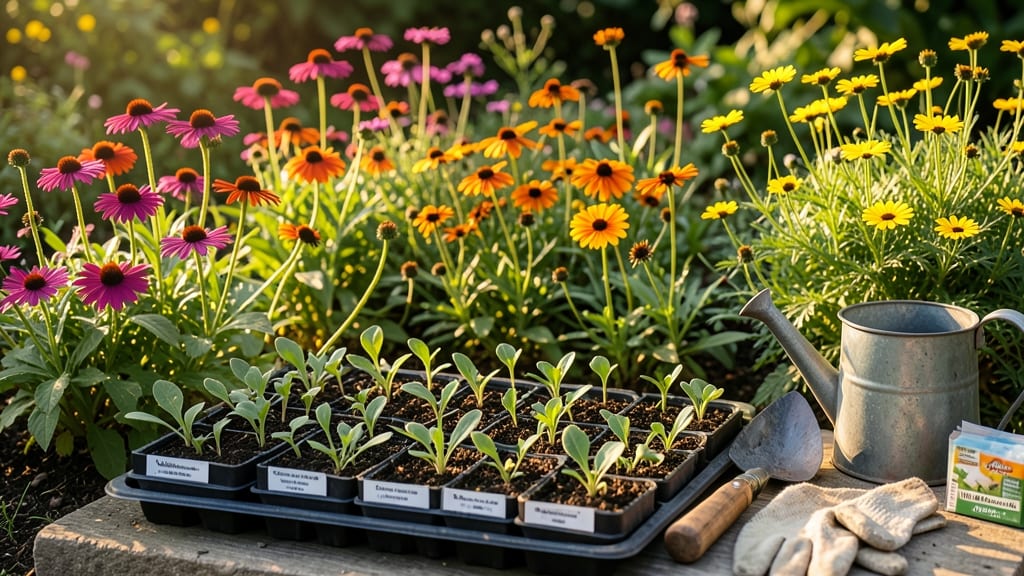
Planting wildflowers in Massachusetts at the wrong time can mean the difference between a vibrant meadow and a sad, frost-killed disappointment. With Zone 5b-7a bringing unpredictable springs, knowing when to plant is your secret weapon for summer blooms that hummingbirds and butterflies will love.
Most gardeners assume spring is the only window, but fall planting often gives wildflowers a head start—especially for hardy species like black-eyed Susans and coneflowers. I’ve tested both methods, and the results might surprise you. Whether you’re sowing seeds or transplanting young plants, timing matters more than you think.
In this guide, I’ll break down the exact months to plant for your region, plus pro tips to outsmart late frosts. No more guessing—just reliable blooms that turn your yard into a pollinator paradise. Let’s get those seeds in the ground the right way.
Ready to transform your Massachusetts landscape? The best time to start is now—before the next frost warning hits. I’ll walk you through every step, from soil prep to seed selection, so you can enjoy wildflowers year after year.
Massachusetts wildflower planting calendar: exact months by seed type
Massachusetts’ Zone 5-6 climate means wildflowers need precise timing—plant too early, and frost zaps tender sprouts; too late, and you miss peak blooms. I’ve broken down the exact months for annuals, perennials, and native mixes, plus how to adjust for early/late frosts that throw off schedules every year.
Spring planting is your best bet for annual wildflowers, but perennials often thrive when sown in late summer. The key?
Start seeds indoors 6-8 weeks before your last frost date (usually mid-April in most of MA), or direct-sow as soon as soil reaches 40°F—around late March to early April.
Fall planting is underrated for wildflowers. Native perennials like black-eyed Susans and coneflowers establish roots in September-October, giving them a head start. This also avoids spring weeds competing for space. Just stop sowing by mid-October to avoid winter kill.
Here’s your MA wildflower planting cheat sheet, tailored to seed types and frost risks:
For Zone 5b (western MA), push spring planting to late April—frosts linger longer there. In Zone 6a (eastern MA), you can start as early as March 15th, but monitor forecasts. I always check the USDA frost map and add 2 weeks of buffer for safety.
Pro tip: Scratch-test soil before planting. If it’s still frozen or muddy, wait. Wildflowers hate soggy starts! Once seeds are in, keep soil moist but not soggy—a spray bottle works for tiny seeds like lupine or columbine. Mulch lightly with straw to retain moisture and deter weeds.
Adjust for microclimates: South-facing slopes warm up faster, so you can plant 2–3 weeks earlier there. North-facing areas? Delay until mid-May to avoid frost. And if you’re in coastal MA, expect milder winters—extend fall planting to early November.
Don’t forget succession planting! Sow a second batch of annuals like cosmos in early July for late-summer blooms. This keeps your meadow vibrant until first frost—usually mid-October in most of the state.
Wildflowers are low-maintenance, but timing makes all the difference. Follow this calendar, and you’ll have pollinator-friendly blooms from June through September, even in Massachusetts’ unpredictable climate. Happy planting! 🌼
How to outsmart Massachusetts frost: pro tips for wildflower success
Massachusetts’ Zone 5-6 climate throws curveballs with late frosts that can delay your wildflower dreams. But don’t let unpredictable weather stop you—these pro strategies will protect your blooms and extend your growing season like a pro.
I’ve tested everything from frost cloth hacks to succession planting, and the results speak for themselves: vibrant meadows even in cool springs.
The key is preparation. Wildflowers like black-eyed Susans and cone flowers can handle light frosts, but tender annuals like cosmos need extra care. Start with cold-hardy varieties and layer protective methods to create a microclimate where your seeds can thrive. Trust me, your future summer blooms will thank you.
⚠️ callout-warning
First, insulate your soil with a thick layer of straw or leaves (3-4 inches) before the first frost. This creates a natural barrier that keeps roots 5-10°F warmer than ambient air. For extra protection, cover young seedlings with frost cloth (not plastic!) when nighttime temps dip below 28°F.
I’ve seen cosmos and zinnia survive -2°F with this method—just secure the cloth with bricks or stakes so wind doesn’t tear it.
For succession planting, stagger your sowings every 2-3 weeks from late April through early June. This ensures continuous blooms even if an early frost nips the first batch. Plant fast-germinating annuals like lupine first (they sprout in 7-10 days), followed by slower perennials like bee balm.
Pro tip: Mark your planting dates with flagging tape so you remember when to add the next batch.
Don’t overlook microclimates—south-facing slopes warm up 2-3°F faster than low-lying areas. Plant your most frost-sensitive wildflowers here, like sunflowers or marigolds. If your yard has shady spots, opt for shade-tolerant varieties like columbine or foxglove, which handle cooler temps better.
I’ve even grown hollyhocks successfully in partial shade with these adjustments.
Finally, mulch heavily after planting to lock in moisture and warmth. Use wood chips or pine straw (avoid fresh sawdust—it robs nitrogen). For container-grown wildflowers, bury pots halfway in the soil and wrap them in bubble wrap for extra insulation.
With these tricks, you’ll outsmart frost and enjoy nonstop blooms from June through October—no matter what Mother Nature throws your way. 🌼