
Planting
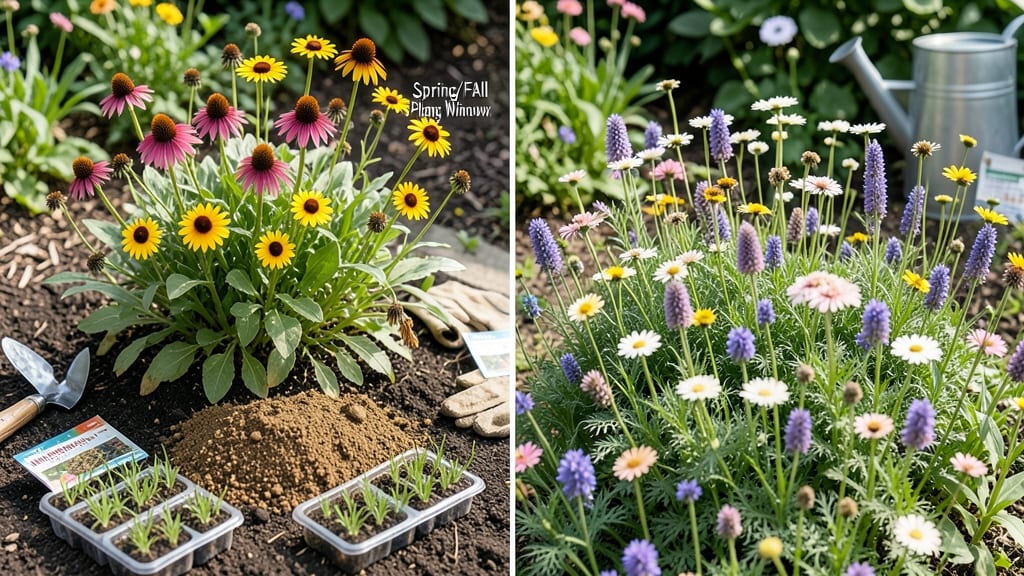
Planting wildflowers at the right time can transform your yard into a buzzing, colorful haven—but timing is everything, and getting it wrong means waiting months for those cheerful blooms to appear.
Most gardeners know spring is ideal, but did you know fall planting often yields even better results?
In USDA Zone 6a, where I live, the window stretches from early March through September, but the best months are March and April when soil temperatures rise just enough to encourage germination without overwhelming young seedlings.
Whether you're sowing seeds for a wildflower meadow or just a few scattered blooms, understanding your local frost dates and soil conditions makes all the difference.
I’ll walk you through exactly when to plant in your region, plus pro tips to ensure your wildflowers 🌼 thrive from the very first sprout.
Ready to skip the guesswork? Let’s dive into the perfect planting schedule so you can enjoy vibrant blooms year after year with minimal effort.
Best wildflower planting times by U.s. climate zones
Planting wildflowers at the right time ensures strong germination and vibrant blooms for years to come. Unlike vegetables, wildflowers thrive when planted outside peak heat—meaning early spring or fall are your best bets.
But the exact timing depends on your USDA hardiness zone, frost dates, and even local microclimates. In colder zones like Zone 3, you might plant in late spring, while warmer Zone 10 areas can sow seeds year-round with minimal frost risk.
Most gardeners focus on spring and fall planting, but winter sowing works in mild climates. The key is to avoid planting when soil temperatures exceed 80°F, as this can cause seeds to dry out before sprouting.
Native wildflowers often have adapted timing cues, like needing cold stratification, so check seed packets for specific instructions. For example, black-eyed Susans and coneflowers germinate best in cooler soil, while annuals like cosmos tolerate warmer spring conditions.
Here’s a quick reference for optimal planting windows across U.S. zones, including frost-risk considerations:
In Zone 3-4, I always wait until after the last frost date—usually mid-May—to plant wildflower seeds. The soil needs to warm up enough for seeds to germinate, and cold, wet soil can rot them before they sprout.
For Zone 5-6, fall planting in September is ideal for perennials like purple coneflower because it gives roots time to establish before winter. In warmer zones (Zone 7+), I often plant in late summer to take advantage of fall rains, which help seeds establish before winter dormancy.
One trick I’ve learned is to test soil temperature with a simple thermometer before planting. Wildflower seeds typically need soil temps between 50–70°F to germinate successfully. If your soil is too cold, cover seeds lightly with straw mulch to insulate them.
Conversely, if temps exceed 80°F, wait for cooler weather or use shade cloth to protect new seedlings from drying out. This is especially critical in Zone 9-10, where summer heat can be intense.
For annual wildflowers, like cosmos or sunflowers, I plant in early spring as soon as the soil is workable. These fast-growing species tolerate warmer conditions better than perennials. Perennials, however, benefit from fall planting because their roots have time to develop before the first freeze.
In my experience, native wildflowers often have deeper root systems and establish more easily when planted in cooler months, reducing competition from weeds.
Don’t overlook microclimates in your garden. A south-facing slope warms up faster than a shady woodland edge, so you might plant 2–4 weeks earlier in sunny spots. Similarly, low-lying areas with poor drainage can stay cold longer, delaying planting by a week or more.
Always scout your site for frost pockets—areas where cold air settles—and adjust your timing accordingly. If you’re unsure, err on the side of planting later rather than risking frost damage to tender seedlings.
After planting, water deeply but infrequently to encourage deep root growth. Most wildflowers are drought-tolerant once established, but seedlings need consistent moisture to avoid drying out. In Zone 3-5, I often use mulch to protect seeds from temperature swings and erosion.
For Zone 6-10, a light layer of straw helps retain moisture during dry spells. Remember, wildflowers are low-maintenance, but getting the timing right sets the stage for a thriving meadow with minimal effort.
If you’re new to wildflower gardening
How to choose wildflower seed types for your region
Selecting the right wildflower seeds for your region isn’t just about picking pretty blooms—it’s about matching species to your local climate, soil type, and bloom cycle.
Native wildflowers like black-eyed Susan or purple coneflower thrive in my USDA Zone 6a because they’re adapted to our cool springs and hot summers. Non-native varieties might need extra care or simply fail to establish.
I’ve learned the hard way that planting California poppies in my yard just doesn’t work—they need drier conditions than my moist soil provides.
Start by identifying whether your region leans toward annuals or perennials. Annuals like cosmos bloom quickly but die back each winter, while perennials like bee balm return year after year. Annuals are great for instant color, but perennials offer long-term beauty with less replanting.
My front yard now features a mix of both, with annual sunflowers for summer height and perennial milkweed to support monarch butterflies year-round.
Soil type is another game-changer. Clay-heavy soils in my area drain poorly, so I avoid moisture-sensitive species like lupines and instead opt for drought-tolerant varieties such as blanket flower. If your soil is sandy, look for seeds labeled as low-maintenance or drought-resistant.
A quick soil test (just dig a 6-inch hole and feel the texture) tells you everything you need to know about what will grow best.
Now, let’s talk bloom cycles. If you want continuous color, mix seeds with staggered bloom times. For example, early spring bloomers like wild columbine pair well with summer favorites like black-eyed Susan and fall stars such as goldenrod.
I designed my meadow to bloom from April through October by selecting seeds with 3-4 month overlaps in their flowering periods. This ensures my garden never looks bare, even in late summer when some plants start to fade.
Native vs. Non-Native Wildflower Seeds: Pros and Cons
Native Wildflowers
- ✅ Pros:
- • Thrives in local soil and climate zero effort
- • Supports local pollinators like bees and butterflies
- • Requires less water once established
- • Drought-tolerant perennial options available
- ⚠️ Cons:
- • Limited color palette options
- • May not bloom as abundantly as non-natives
Non-Native Wildflowers
- ✅ Pros:
- • Wider color variety available
- • Often faster-growing annuals for quick blooms
- • Can outcompete weeds effectively
- ⚠️ Cons:
- • May require more water and care
- • Can invade and disrupt local ecosystems
- • Less pollinator-friendly than natives
🌱 Pro Tip: Mix 70% native seeds with 30% non-natives for a balance of beauty and biodiversity.
Don’t overlook seed mixes designed for your specific region. Many nurseries offer pre-blended wildflower mixes tailored to USDA zones, soil types, and bloom seasons. For example, I bought a Midwest Prairie Mix that included 12 native species perfect for my area.
These mixes save time and reduce guesswork—just scatter, rake, and wait for magic to happen. If you’re feeling adventurous, though, customizing your own mix lets you control exactly which colors and heights you want.
Finally, consider your maintenance level. Low-maintenance wildflowers like yarrow or smooth sumac need minimal attention once established, while showier varieties like hollyhocks may require staking or deadheading. I’ve found that perennial wildflowers with self-seeding habits (like coreopsis) spread naturally over time, reducing the need for replanting.
Start small with a 10x10 foot patch to test what works best in your space before committing to larger areas.
With the right seed selection, your wildflower garden will become a self-sustaining ecosystem that requires less water, fewer chemicals, and almost no upkeep. My meadow now attracts dozens of butterfly species and blooms effortlessly year after year—all because I matched the seeds to my climate, soil, and sunlight.
Ready to get started? Grab a soil test kit, check your local USDA zone, and pick seeds that will thrive where you live.