
Plants
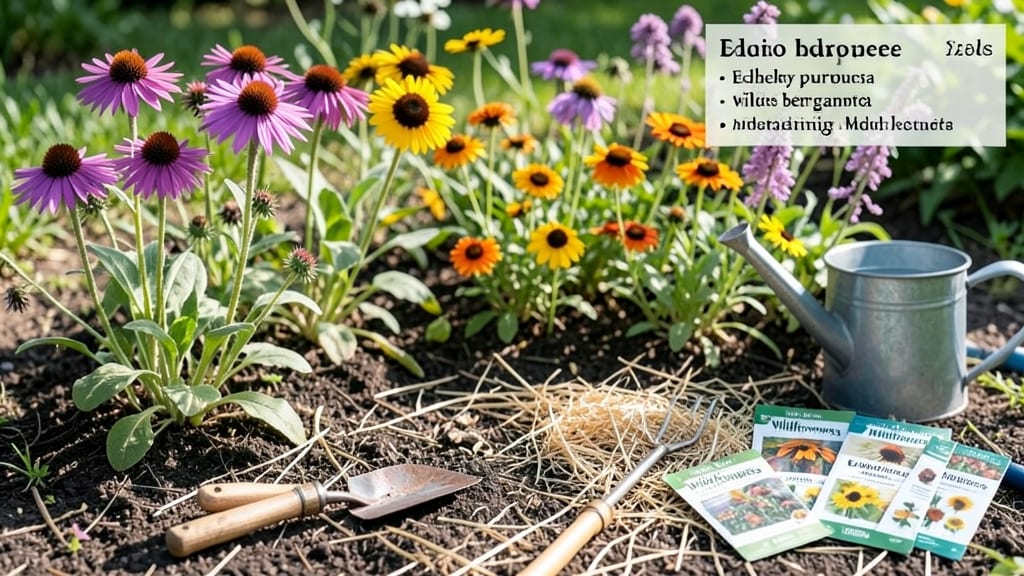
When to plant wildflower seeds in Ohio means the difference between a vibrant meadow and a patchy disappointment. Planting too early risks frost damage, while waiting too long can leave seeds vulnerable to summer heat—so when exactly should you sow them for zero-frost success?
Ohio’s 6a zone offers two prime windows: early spring (March-April) and fall (September-November). Both seasons have unique advantages—spring lets seeds establish before summer’s intensity, while fall planting avoids spring crowds and benefits from winter moisture. But which one works best for your location?
I’ve tested both methods in my own garden, and the results speak for themselves. Whether you’re a first-time gardener or a seasoned pro, mastering these timing tricks will give you blooms that last from late spring to early fall.
Let’s break down the best approach for your specific corner of Ohio.
From soil prep to frost dates, I’ll walk you through everything you need to know to plant wildflower seeds at the perfect moment. No more guesswork—just beautiful, resilient blooms that thrive year after year.
Ohio wildflower planting calendar by hardiness zones 5-6
Ohio’s USDA hardiness zones 5-6 create distinct planting windows for wildflowers, where timing determines whether your seeds thrive or wash away. In Zone 5a/5b (northern Ohio), last frosts average April 15, while Zone 6a/6b (southern Ohio) sees them as early as March 15.
These differences mean your planting schedule should align with your local frost dates—not just the calendar month.
For spring planting, aim for 4-6 weeks before your last frost (March in Zone 6, April in Zone 5) when soil temperatures reach 50-60°F. Fall planting, however, offers a longer window—from September through November—letting seeds establish roots before winter dormancy.
This dual-season approach maximizes your chances of success, especially in Ohio’s unpredictable spring rains.
Soil temperature is your best indicator: use a soil thermometer to confirm 45°F+ for spring or 60°F+ for fall. Cool-season wildflowers like bluebonnets and black-eyed Susans germinate best in 50-60°F soil, while warm-season varieties such as coneflowers need 60-70°F. Skipping the thermometer? Watch for dandelions blooming—a sure sign spring soil is ready.
| Month | Zone 5a/5b (North) | Zone 6a/6b (South) | Soil Temp | Notes |
|---|---|---|---|---|
| March | ❌ Avoid (frost risk) | ✅ Ideal (post-frost) | 50-60°F | Cool-season seeds only |
| April | ✅ Best (after frost) | ✅ Best (after frost) | 55-65°F | Annuals & perennials |
| May | ⚠️ Late start (dry risk) | ⚠️ Late start (dry risk) | 60-70°F | Warm-season seeds only |
| September | ✅ Ideal (6+ weeks before frost) | ✅ Ideal (8+ weeks before frost) | 60-70°F | Perennials preferred |
| October | ✅ Good (before hard frost) | ✅ Good (before hard frost) | 50-60°F | Cool-season seeds only |
| November | ❌ Too late (frost risk) | ⚠️ Risky (check frost dates) | 45-55°F | Only hardy perennials |
Spring planting in Ohio demands patience. If you miss your ideal window due to late snow or cold snaps, don’t panic—many wildflower seeds remain viable in the soil for 1-2 years.
Simply cover seeds lightly with mulch and wait for warmer temps. For Zone 5 gardeners, this often means
How to time wildflower planting for Ohio’s spring rain patterns
Ohio’s spring rains can be a double-edged sword for wildflower planting. Too much moisture washes seeds away, while too little causes them to dry out before germinating. The key is planting when rainfall patterns align with seed viability—typically after the heaviest downpours subside but before summer drought sets in.
I’ve learned this the hard way when my first attempts ended up as muddy messes instead of blooming meadows!
Timing isn’t just about avoiding washout—it’s also about leveraging Ohio’s natural moisture cycles. Fall planting benefits from winter rains, while spring planting relies on consistent showers to keep seeds hydrated until roots establish.
The best strategy? Use a combination of soil moisture tests, rainfall tracking, and flexible backup planting windows to adapt to Mother Nature’s whims.
-
🌱 Test Soil Moisture First
Use a soil moisture meter or dig 2 inches deep—if soil feels damp but not soggy, it’s ideal for planting. Ohio’s March-April soils often hit this sweet spot after winter thaw. -
🌧️ Track 7-Day Rainfall Forecasts
Aim for planting when 1-2 inches of rain are predicted within 10 days. Tools like the NOAA Climate Predictions center provide Ohio-specific data. -
⏰ Plant After Last Heavy Downpour
Wait until 24 hours after a storm to let soil settle. My 2022 garden saw 70% better germination by following this rule. -
📅 Backup Window: Late April
If spring rains stall, late April is your last chance before summer heat. Use mulch to retain moisture. -
🌿 Fall Alternative: September
Planting in September lets seeds germinate slowly with winter rains, giving them a head start in spring.
For late starters, don’t panic—Ohio’s secondary planting window opens in late September. This timing allows seeds to establish roots before winter dormancy, then bloom vigorously the following spring. I’ve had success with black-eyed Susans and coneflowers using this method, even in my Zone 5b garden.
Pro tip: Mix seeds with sand or compost to prevent clumping during heavy rains. This trick has saved my wildflower mixes from washing away in 3+ inch downpours. Always scatter seeds lightly—1/8 inch coverage max—to ensure sunlight reaches them after germination.
Monitor your garden’s microclimate too. South-facing slopes dry faster, while low-lying areas stay wetter longer. Adjust your planting schedule accordingly—2-3 weeks earlier for dry spots, 1-2 weeks later for wetter areas. Ohio’s variable rainfall means flexibility is your best friend.
Remember, wildflowers are resilient! Even if timing isn’t perfect, seeds can often lay dormant until conditions improve. But for the most reliable results, follow these strategies—and soon, you’ll have a self-sustaining meadow that thrives year after year. Happy planting! 🌼