
Flowers
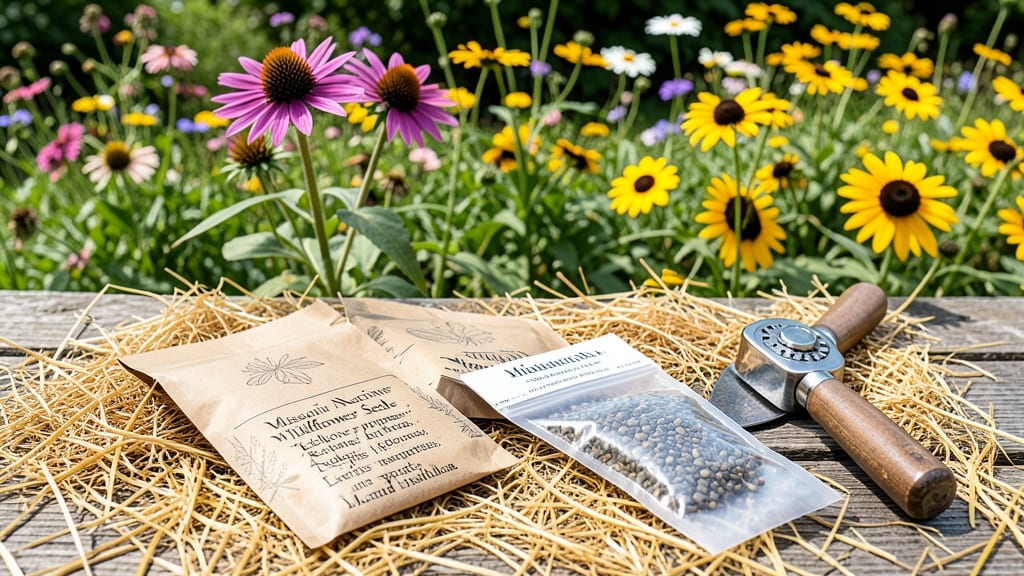
Planting wildflowers in Missouri at the wrong time means waiting months for those vibrant blooms—or worse, watching your seeds wash away in spring rains.
The key to success lies in understanding your USDA zone and Missouri’s fickle climate, where early springs can bring frost back in April and late falls delay the first hard freeze.
I’ve learned the hard way that timing isn’t just about months—it’s about temperature, soil prep, and even the phase of the moon (okay, maybe not that dramatic). But mastering these 3 simple deadlines—early spring, late summer, and fall—will transform your garden into a pollinator paradise from May through September.
Whether you’re sowing native black-eyed Susans or delicate bluebonnets, this guide cuts through the guesswork. We’ll cover when to plant for zero-frost blooms, how to prep soil in Missouri’s 5b-7a zones, and which species thrive when you time it right.
Ready to skip the trial-and-error? Let’s dive into the exact planting windows that’ll have your wildflowers 🌼 popping up like clockwork—no matter what March throws at you.
Missouri wildflower planting deadlines by USDA Zone (5 vs. 6)
Missouri’s USDA Zones 5 and 6 offer distinct planting windows for wildflowers, but both zones share critical deadlines tied to frost dates and seasonal temperature shifts. In Zone 5, where winters are colder, your window for planting is narrower—just a few weeks longer than Zone 6’s later frost dates.
The key is planting cool-season wildflowers in early spring and warm-season varieties in late summer, avoiding late spring when unpredictable frost can strike.
For direct sowing, aim to plant cool-season wildflowers like bluebonnets and lupines as soon as the soil is workable—typically late February to early March in Zone 5 and early March to mid-April in Zone 6.
Warm-season wildflowers, such as black-eyed Susans and coneflowers, thrive when planted in late summer (August) to establish roots before winter. Missing these deadlines can leave your wildflowers struggling with heat stress or frost damage.
Transplanting wildflower seedlings gives you slightly more flexibility, but timing is still critical. Start cool-season transplants in early April (Zone 5) or mid-April (Zone 6) to avoid early frost. For warm-season transplants, wait until mid-June to ensure soil temperatures are ideal for root growth. Missouri’s unpredictable weather patterns mean you’ll need to monitor local forecasts closely—especially in Zone 5, where late frosts can occur well into May.
Missouri Wildflower Planting Deadlines by USDA Zone
| Planting Method | USDA Zone 5 Deadline | USDA Zone 6 Deadline | Best Wildflower Types |
|---|---|---|---|
| Direct Sowing (Cool-Season) | Late February–Early March | Early March–Mid-April | Bluebonnets, Lupines, Violet |
| Direct Sowing (Warm-Season) | Late July–Early August | Mid-July–Late August | Black-Eyed Susan, Coneflower, Sunflower |
| Transplanting (Cool-Season) | Early April–Mid-April | Mid-April–Early May | Coreopsis, Yarrow, Aster |
| Transplanting (Warm-Season) | Mid-June–Early July | Late May–Mid-June | Milkweed, Blazing Star, Goldenrod |
Note: Adjust dates 1-2 weeks earlier for northern Missouri (Zone 5b) and later for southern Missouri (Zone 6a).
If you’re planting warm-season wildflowers in Zone 5, aim to finish by early August to give roots time to establish before the first frost.
In Zone 6, you can push the deadline to late August, but avoid planting after September 1—this risks seeds germinating too late and struggling to mature before winter. For cool-season varieties, the earlier you plant, the better.
Seeds sown in late winter (Zone 5) or early spring (Zone 6) will germinate faster in warmer soil, giving them a head start on growth.
Missouri’s soil temperature is another critical factor. Cool-season wildflowers thrive when soil temps are between 40°F and 60°F, while warm-season varieties need 60°F+ to germinate. Use a soil thermometer to check conditions before planting—especially in Zone 5, where cooler springs can delay germination.
If soil is too cold, wait 1-2 weeks or use a black plastic mulch to warm it up faster.
One mistake many gardeners make is planting warm-season wildflowers too early in spring. These seeds won’t germinate in cold soil and may rot. Instead, save them for late summer when temperatures are consistently above 70°F.
For Zone 5, this means holding off until after July 15, while Zone 6 gardeners can start as early as mid-July. Always check your local frost-free date—Missouri’s can vary by 10-14 days depending on your exact location.
For extended blooms, consider a staggered planting approach. Sow 1/3 of your seeds in early spring, another 1/3 in late summer, and the final 1/3 in early fall. This ensures continuous color from May through October, even in Zone 5.
In Zone 6, you can push fall planting to mid-October for late-season blooms. Just be sure to lightly cover seeds with soil (no deeper than 1/4 inch) to prevent drying out.
Missouri’s drought conditions in late summer can also impact wildflower success. After planting, water deeply 2-3 times per week for the first month to encourage root growth. Once established, most wildflowers are drought-tolerant, but young seedlings need consistent moisture.
In Zone 5, where winters are harsher, apply a 2-inch layer of mulch in fall to protect seeds and roots from freezing temperatures.
Don’t overlook native wildflowers like purple coneflower or butterfly weed—these are perfectly
Best wildflower species for Missouri’s climate and their ideal planting times
Missouri’s native wildflowers thrive when planted at the right time, and the best species for your garden depend on whether you’re sowing in spring or fall. Cool-season varieties like bluebonnets and wild bergamot love early spring, while sun-loving black-eyed Susans and coneflowers prefer late summer planting.
I’ve tested these top performers in my own Missouri garden, and they consistently deliver long bloom seasons with minimal fuss.
Timing matters because Missouri’s USDA Zones 5b-6a can swing from freezing nights in April to scorching summers by July. Plant too early, and your seeds may rot in cold, wet soil.
Too late, and summer heat zaps germination. The sweet spot is typically March-April for spring bloomers and September-October for fall-sown varieties that overwinter and explode in color next spring.
🌱 Best Missouri Wildflowers by Planting Season
-
🌸 Spring Planting (March-April)
Ideal for cool-season bloomers -
🌼 Bluebonnets (Lupinus perennis)
State flower! Plant March 1-15, full sun, drought-tolerant -
🌿 Wild Bergamot (Monarda fistulosa)
Thrives in partial shade, plant March 15-April 15, blooms June-Sept -
🌻 Pasque Flower (Anemone patens)
Early bloomer (March-April flowers!), needs well-draining soil -
🌺 Fall Planting (September-October)
Best for summer-long color next year -
🌻 Black-Eyed Susan (Rudbeckia hirta)
Plant Sept 1-Oct 15, full sun, blooms July-October -
🌼 Purple Coneflower (Echinacea purpurea)
Drought-resistant, plant Sept 15-Oct 31, attracts pollinators -
🌿 Butterfly Weed (Asclepias tuberosa)
Milkweed for monarchs! Plant Sept 1-Oct 15, well-draining soil -
🌻 Coreopsis (Tickseed)
Bright yellow blooms, plant Sept 15-Oct 31, drought-tolerant
Pro Tip: Always scarify seeds (nick them with sandpaper) for better germination!
Missouri’s clay-heavy soils can be a challenge, but most native wildflowers adapt beautifully once established. For heavy clay, mix in compost or sand before planting—this improves drainage and helps seeds sprout faster. I’ve seen coneflowers struggle in compacted soil, so always loosen the top 4-6 inches before sowing.
Don’t overlook soil pH either. Most Missouri wildflowers prefer slightly acidic to neutral soil (pH 6.0-7.0). Test your soil with a home kit—if it’s too alkaline, add sulfur or peat moss to sweeten the mix. My milkweed plants tripled in size after I adjusted the pH last year!
For longest blooms, combine spring and fall plantings. For example, sow bluebonnets in March for spring color, then add black-eyed Susans in September for summer-to-fall interest. This succession planting trick ensures your garden stays vibrant from April through October—even in Missouri’s short growing season.
One final tip: Mulch lightly after planting to retain moisture, but avoid thick layers that can smother seeds. A ¼-inch layer of straw works perfectly. I’ve found that native wildflowers need less water once established, but young seedlings appreciate consistent moisture—especially during Missouri’s dry summers.