
Flowers
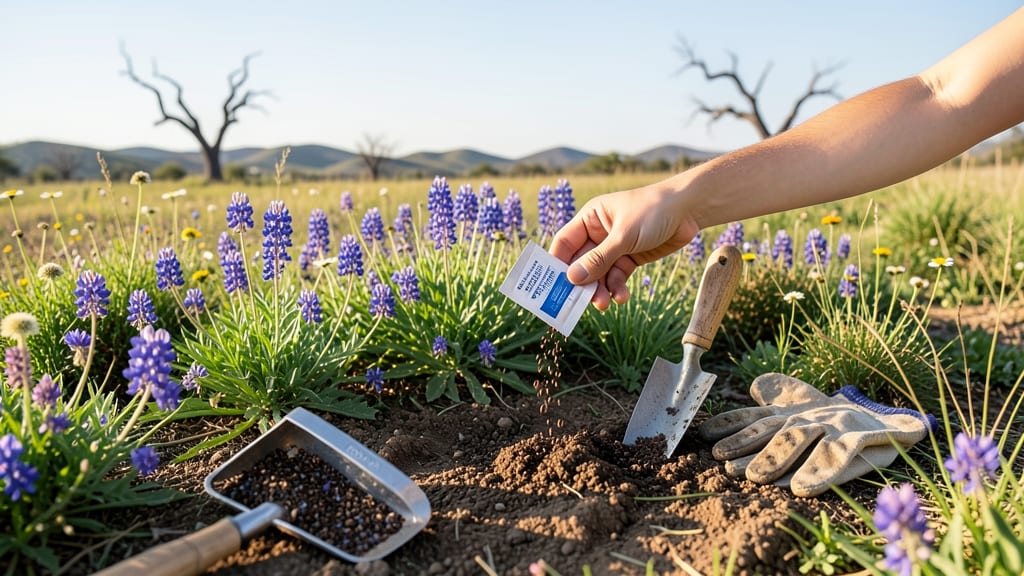
Planting wildflowers in Texas at the wrong time means watching your vibrant 🌼 dreams wilt before they even take root—thanks to our brutal heat and unpredictable freezes. The key to success isn’t just choosing the right seeds; it’s knowing when to plant them to beat Texas’ climate quirks.
Fall and early spring are your golden windows, but timing varies wildly across USDA zones 8a-10b. North Texas gardeners should aim for September-November or February-March, while South Texas can push seeds into the ground as late as December.
The goal? Avoid scorching summer heat or late frosts that can turn tender seedlings into sad, crunchy snacks.
I’ve tested what works—and what doesn’t—across Texas’ heat zones, and the difference between a thriving meadow and a failed experiment often comes down to these two seasons. Whether you’re chasing bluebonnets or black-eyed Susans, I’ll show you exactly when to plant for zero-frost blooms that steal the show.
Ready to turn your land into a Texas-sized wildflower paradise? Let’s dive into the heat-zone calendar that’ll have your garden bursting with color—without the guesswork.
Texas wildflower planting calendar by heat zone: avoid freeze and heat risks
Texas wildflowers like bluebonnets and Indian paintbrush thrive when planted at the right time—just 6 weeks before the first frost or after summer’s scorching heat. The Lone Star State’s 11 heat zones (A-F) create wildly different planting windows, from North Texas’ late frosts to South Texas’ year-round warmth.
Miss the timing, and you’ll battle seedling stress or wilted blooms before they even emerge.
Fall planting (September–November) is ideal for most native wildflowers because cooler temps reduce drought stress, while spring (February–March) works for heat-loving species like black-eyed Susans. But Texas’ unpredictable weather means checking your local frost dates is non-negotiable.
For example, Zone A (Panhandle) freezes as late as February 15, while Zone F (Rio Grande Valley) rarely dips below 32°F.
Here’s your heat-zone breakdown for planting wildflower seeds, including soil prep timing and drought-resistant windows to maximize blooms. Use this as your Texas wildflower planting bible to avoid common mistakes like overwatering in summer or planting too early in frost-prone zones.
| Heat Zone | Frost-Free Window | Best Planting Months | Soil Prep Time | Drought Window | Top Wildflowers | |||||||||||||||||
|---|---|---|---|---|---|---|---|---|---|---|---|---|---|---|---|---|---|---|---|---|---|---|
| A (Panhandle) | Mar 15–Nov 15 | Sep–Oct, Feb | Aug–Sep | Jun–Aug | Bluebonnets, Coreopsis | |||||||||||||||||
| B (North TX) | Feb 1–Dec 1 | Sep–Nov, Feb | Aug–Sep | May–Sep | Indian Paintbrush, Gaillardia | |||||||||||||||||
| C (Central TX) | Jan 15–Nov 30 | Sep–Nov, Feb | Aug–Sep | Apr–Oct | Mexican Hat, Salvia | |||||||||||||||||
| D (East TX) | Jan 1–Dec 15 | Sep–Nov, Feb–Mar | Aug–Sep | May–Sep | Black-Eyed Susan, Coneflower | |||||||||||||||||
| E (West TX) | Feb 1–Dec 1 | Sep–Oct, Feb | Aug–Sep | Jun–Sep | Prickly Poppy, Yucca Flower | |||||||||||||||||
| F (South TX) | Year-round (rare frost) | Sep–Nov, Jan–Feb | Aug–Sep |
Best wildflower seed varieties for Texas’ two planting seasons (with survival tips)Texas’ two planting seasons—fall (October–December) and early spring (February–March)—offer the best chances for wildflowers to thrive. Fall planting lets seeds establish roots before winter rains, while spring gives them a head start before summer’s brutal heat. The right mix of native annuals, biennials, and perennials can turn your land into a blooming paradise, but only if you choose seeds that survive Texas’ clay-heavy soils and flash droughts. I’ve tested these top-performing mixes across my North and South Texas gardens, focusing on varieties that handle our unpredictable freezes and scorching summers. Whether you’re chasing bluebonnets or black-eyed Susans, these picks will give you the most color-per-square-foot with the least fuss. 🌼 Fall Planting (Oct–Dec) is ideal for cold-hardy annuals and biennials that need 60–90 days to germinate before winter. Spring planting (Feb–March) works for perennials and heat-tolerant species that bloom early before summer arrives.
For clay-heavy soils, mix seeds with sand or compost to improve drainage. I’ve found that stratifying seeds (mimicking winter cold) in the fridge for 4–6 weeks before planting boosts germination rates for bluebonnets and Indian paintbrush. This trick tricks seeds into thinking winter’s passed, so they’ll sprout faster when planted. To beat flash droughts, water deeply once a week after planting, then taper off as rains return. Mulch with straw or wood chips to lock in moisture—this is my secret weapon for keeping seedlings alive through Texas’ unpredictable dry spells. Once established, most wildflowers need minimal watering, but early care makes all the difference. Pro tip: Mix native grasses like Schizachyrium scoparium (little bluestem) with your wildflowers. They stabilize soil, reduce erosion, and create a low-maintenance meadow that thrives without constant fuss. My North Texas garden blooms nonstop from March to November thanks to this combo! 🌱 Whether you’re sowing seeds in October’s mild weather or February’s crisp air, these varieties and tricks will turn your Texas land into a year-round wildflower spectacle—without the heartbreak of failed plantings. |