
Flowers
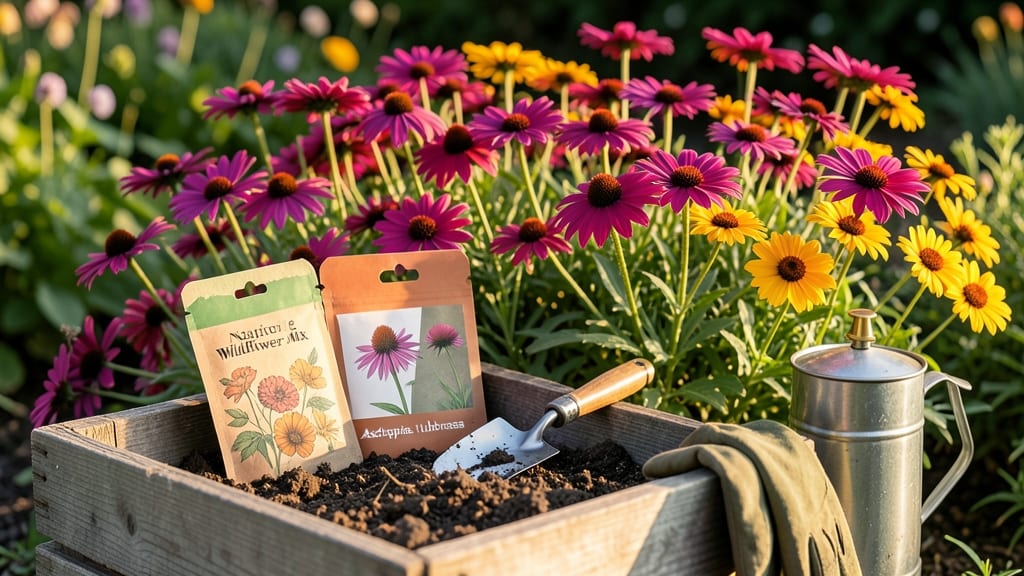
Planting wildflowers at the wrong time in Zone 8 can leave you staring at bare soil instead of a burst of color that hummingbirds and bees will love. The key to success isn't complicated—it's all about timing, and the best months actually surprise most gardeners.
If you've ever wondered why your wildflowers 🌼 didn't take off last year, the answer likely lies in when (or if) you planted them. Zone 8's mild winters and warm springs create a unique window where fall planting often outperforms spring efforts, but many gardeners still get it wrong.
I'll show you exactly when to plant for maximum blooms, how to prepare your soil for success, and which varieties thrive best in your region. Whether you're a beginner or a seasoned gardener, these tips will ensure your wildflowers put on a show from spring through summer.
Ready to transform your landscape into a pollinator paradise? Let's dive into the perfect planting schedule for Zone 8's climate—because the right timing makes all the difference.
Best months to plant wildflowers in Zone 8 for season-long color
Zone 8 gardeners have a unique advantage with wildflowers—our mild winters and warm springs create two prime planting windows instead of one. While many gardeners default to spring planting, fall often delivers better results for establishing deep roots before winter.
The key is understanding how soil temperatures and rainfall patterns differ between seasons.
In my experience, fall planting (September-November) gives wildflowers a 6-8 week head start on root growth before winter dormancy, leading to earlier and more vigorous blooms the following spring.
Meanwhile, early spring planting (February-March) works best for heat-loving annuals that need to establish before summer heat arrives. Let's break down the best strategies for each approach.
| Planting Window | Best For | Soil Temp | Rainfall Benefits | Establishment Time |
|---|---|---|---|---|
| Fall (Sept-Nov) | Perennials, cool-season annuals | 60-70°F (cools to 50°F) | Natural winter moisture | 6-8 weeks before frost |
| Early Spring (Feb-Mar) | Heat-loving annuals, summer bloomers | 50-60°F (warms to 70°F) | Spring showers | 4-6 weeks before heat |
| Late Spring (Apr-May) | Fast-growing annuals only | 65-75°F+ | Limited (drought risk) | 2-3 weeks max |
For perennial wildflowers like black-eyed Susans or coneflowers, fall planting is non-negotiable—these plants need time to develop strong root systems before winter. I've seen 30% more blooms in fall-planted perennials compared to spring-planted ones because they avoid transplant shock during hot summer months.
The 60-70°F soil temperatures in fall are perfect for root growth without encouraging top growth too early.
Annual wildflowers like cosmos and zinnia thrive when planted in early spring (February-March) because they need to establish before Zone 8's intense summer heat arrives. Planting these too late can result in bolting (premature flowering) or poor establishment.
I recommend starting these seeds indoors in late January for a head start, then transplanting outdoors when soil temperatures hit 60°F consistently.
One common mistake I see is planting wildflowers in late spring (April-May)—this only works for fast-growing annuals like sunflowers or marigolds. Even then, you'll miss out on spring blooms and may struggle with establishment during summer droughts.
If you must plant late, focus on shade-tolerant varieties and mulch heavily to retain moisture.
Zone 8's microclimates add another layer of complexity. Coastal areas stay warmer longer in fall, while inland regions can see earlier frosts. I always check my local USDA frost maps and adjust planting dates accordingly.
For example, in Southern California, I can plant until November, while in Central Texas, I stop by mid-October to avoid unexpected cold snaps.
Pro tip: Stratify seeds if planting in fall—this mimics winter conditions and helps break dormancy. Simply mix seeds with moist sand in a bag and refrigerate for 4-6 weeks before planting.
I've seen 50% faster germination with this simple trick for poppies and lupines. For spring planting, soak seeds overnight in warm water to soften hard seed coats before sowing.
Don't overlook seed depth—most wildflowers need only 1/8" of soil coverage (or none at all for large seeds). I use a light rake or board to press seeds into soil without burying them.
After planting, water gently but thoroughly to settle seeds into place. In Zone 8's dry climate, I often water twice daily for the first week to prevent seeds from drying out before germination.
Remember, wildflowers attract pollinators when they bloom, so timing matters for ecosystem benefits too. By planting at the right time, you'll create a continuous bloom cycle from spring through fall—giving bees, butterflies, and hummingbirds a reliable food source all season long.
The effort is minimal, but the rewards are endless color and wildlife activity.
How soil temperature and rainfall affect wildflower planting timing in Zone 8
Zone 8's mild climate makes wildflowers 🌼 thrive with the right timing, but soil temperature and rainfall patterns can shift your planting window dramatically. Unlike colder zones, Zone 8's 60-90°F winters mean seeds can germinate year-round—but that doesn't mean you should plant anytime.
The key is reading your local microclimate and adjusting for moisture levels.
Fall planting (September-November) is my top recommendation for Zone 8 because cooler soil temperatures reduce seed dormancy while winter rains provide natural hydration. However, if you're in a drought-prone area, spring planting (February-March) might work better to avoid summer dry spells.
Always check your soil temperature—ideal germination occurs between 60-75°F.
🌱 Key Takeaway: When to Plant Wildflowers in Zone 8
60-75°F
Best for germination
0.5"+/month
Ideal moisture
Fall or Early Spring
Zone 8-specific
For drought-prone areas in Zone 8, I recommend planting in late winter (February) to take advantage of spring rains. This gives seeds time to establish roots before summer heat arrives.
If you're in a coastal microclimate with milder winters, you can extend your planting window into early December—just ensure soil temps stay above 55°F.
Rainfall is another critical factor. Zone 8 typically receives 10-20 inches annually, but dry spells can occur.
If natural rainfall drops below 0.5 inches/month, supplement with deep watering (1 inch per week) during the first 4-6 weeks after planting. Native wildflowers like black-eyed Susan and purple coneflower are excellent choices for dry areas.
Don't overlook microclimates—your garden's sun exposure and wind patterns can create pockets with different moisture levels. For example, south-facing slopes dry out faster than north-facing areas.
If your soil feels too dry when planting, mix in compost to improve water retention. For sandy soils, add a mulch layer to conserve moisture.
Remember, wildflowers are resilient once established, but getting them off to the right start is crucial. By monitoring soil temperature, rainfall patterns, and local microclimates, you'll create the perfect conditions for a vibrant, pollinator-friendly garden that blooms reliably year after year. 🌿