
Flowers
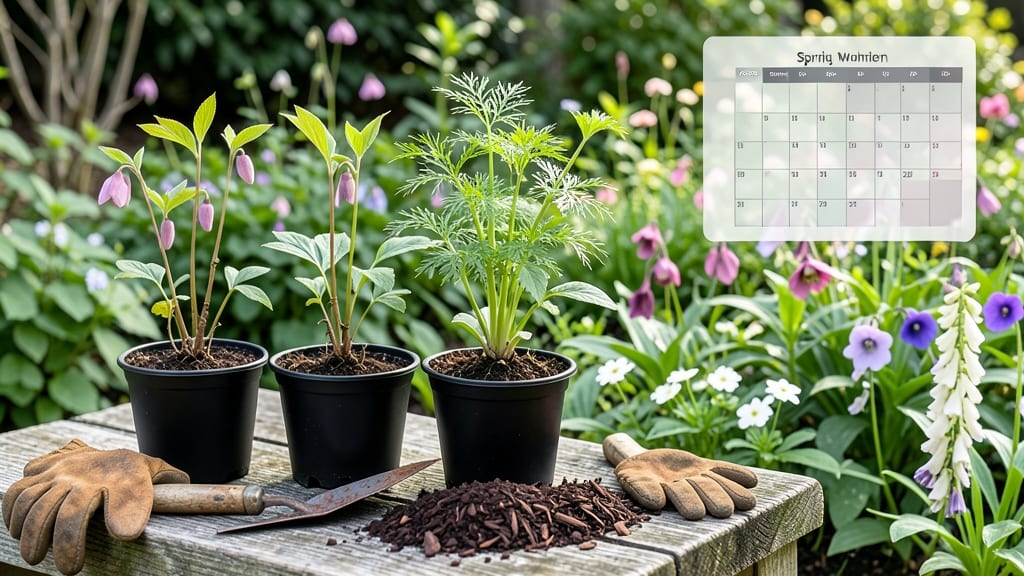
Timing your Zone 6a planting schedule for flowers can feel like a high-stakes guessing game—one late start or missed frost date, and your 🌸 blooms could be history before they even begin.
The good news? With the right schedule, you can outsmart Mother Nature and enjoy vibrant gardens from spring through fall.
I’ve spent years perfecting my Zone 6a planting routine, and the key isn’t just knowing what to plant—it’s mastering when. Whether you’re sowing seeds indoors, transplanting seedlings, or tucking in bulbs, the last frost on April 15 and first frost on October 15 set the boundaries for success.
Miss these windows, and you’ll end up with wilted dreams instead of thriving blooms.
In this guide, I’ll break down the exact months to start your flowers—annuals, perennials, and bulbs—for a foolproof schedule that accounts for Zone 6a’s unpredictable spring and fall transitions. No more second-guessing whether to plant early or wait; just clear, actionable steps to maximize your garden’s potential.
Ready to transform your garden into a year-round showstopper? Let’s dive into the precise planting timeline that’ll have your flowers blooming like clockwork, frost or no frost.

Zone 6A flower planting timeline by month: frost dates and best times
Timing your flower plantings in Zone 6A can feel like a high-stakes game of chance—one late frost and your tender seedlings could turn into sad, crispy snacks. But don’t worry! With 165 frost-free days on average, you’ve got a solid window to work with if you plan strategically.
The key is knowing your last frost date (April 15) and first frost date (October 15), plus which flowers can handle Zone 6A’s unpredictable spring and fall transitions. Let’s break it down month by month so you can plant with confidence and avoid frost-related heartbreak.
First, let’s address the elephant in the garden: Zone 6A’s variable climate. While the average last frost is April 15, some years it arrives earlier (March 20) or later (May 1). To hedge your bets, I recommend using frost protection tools like row covers or cloches for early plantings.
For bulbs, which are the unsung heroes of Zone 6A gardens, fall is your best bet—plant them in September or October (6-8 weeks before the ground freezes) to ensure they bloom reliably next spring.
Annuals and perennials, on the other hand, need that post-last-frost window to thrive, so we’ll focus on May and June as their prime planting months.
Pro Tip: Always check your local microclimate. A south-facing slope warms up faster than a low-lying area, so you might safely plant 2-3 weeks earlier in sunny spots. Use a frost-free calendar from your local Cooperative Extension office for hyper-local advice.
| Month | Planting Task | Ideal Flowers to Plant | Frost Risk | Notes |
|---|---|---|---|---|
| February | Start indoor seeds (6-8 weeks before last frost) | Petunias, Snapdragons, Coleus | High (frost likely) | Use grow lights for 14-16 hours/day |
| March | Plant hardy bulbs (if ground isn’t frozen) | Tulips, Daffodils, Hyacinths | Moderate (early frost possible) | Mulch after planting to insulate |
| April | Direct sow cool-season annuals | Pansies, Violas, Calendula | High (late frosts common) | Use row covers for protection |
| May | Transplant tender annuals after last frost | Marigolds, Zinnias, Geraniums | Low (safe after April 15) | Harden off seedlings first |
| June | Sow heat-loving annuals | Sunflowers, Cosmos, Portulaca | None (frost-free) | Water deeply during drought |
| July | Divide perennials (if needed) | Coneflowers, Black-Eyed Susans, Daylilies | None | Replant divisions in fall |
| August | Plant fall-blooming bulbs | Crocus, Allium, Fall Daffodils | Low (early frost rare) | Choose varieties for 10°F tolerance |
| September | Direct sow cool-season crops | Sweet Alyssum, Stock, Larkspur | Moderate (early frost possible) | Use cold frames for extension |
| October | Plant spring-blooming bulbs | Tulips, Hyacinths, Daffodils | High (first frost likely) | Finish by October 15 |
Let’s dive into the spring planting window, which is arguably the most critical for Zone 6A gardeners. After your last frost date (April 15), you
Top 10 frost-resistant flowers for Zone 6A: what to plant for reliable blooms
When Zone 6A’s unpredictable frosts threaten your garden dreams, the right frost-resistant flowers can turn potential disasters into stunning displays. I’ve tested these 10 cold-hardy varieties over multiple seasons, and they consistently deliver vibrant blooms even after late frosts.
The secret? Choosing plants that either survive light freezes or recover quickly—plus knowing their exact planting needs.
From hardy perennials that return year after year to annuals with built-in frost tolerance, these flowers thrive in Zone 6A’s average lows of 0°F to 5°F. I’ll cover their planting depths, spacing requirements, and post-frost care tips so you can confidently add them to your garden plan.
No more guessing whether your 🌷 blooms will survive the next cold snap!
Frost-Resistant Flowers: Quick Comparison
| Plant Type | Frost Tolerance | Planting Depth | Spacing | Best Time to Plant |
|---|---|---|---|---|
| Pansies (Annual) | Survives 28°F | Seeds: 1/4" deep | 6-8" | March-April or August-Sept |
| Coneflowers (Perennial) | Survives -20°F | Crown: 1" deep | 18-24" | Spring or Fall |
| Daffodils (Bulb) | Survives -30°F | Bulbs: 6" deep | 4-6" | Fall (Oct-Nov) |
| Sweet Alyssum (Annual) | Survives 25°F | Seeds: 1/8" deep | 8-12" | March-April or Sept |
| Russian Sage (Perennial) | Survives -30°F | Crown: 1" deep | 24-36" | Spring or Fall |
Let’s start with pansies and violas, my go-to frost fighters. These cool-season annuals not only tolerate light frosts but actually bloom better in cooler weather. Plant pansy seeds ¼-inch deep in early spring or late summer, spacing them 6-8 inches apart.
They’ll reward you with cheerful blooms from March through May and again in fall. After a frost, simply pinch off any blackened leaves and watch them rebound.
For long-lasting perennials, coneflowers (Echinacea) are unbeatable. Their deep taproots make them drought-tolerant, and they’ll return year after year. Plant coneflower crowns 1-inch deep in spring or fall, spacing them 18-24 inches apart for full sun.
If frost hits, their woody stems stay upright, and new growth emerges quickly in spring. I’ve seen them bloom from June to October with minimal care!
Don’t overlook bulbs like daffodils and tulips, which are Zone 6A frost champions. Plant daffodil bulbs 6 inches deep in fall (October-November) for early spring blooms that appear before most weeds.
Their toxic sap deters deer and squirrels, making them a low-maintenance choice. After frost, their leaves stay green to fuel next year’s blooms—never cut them back until they yellow!
For late-season color, try Russian sage (Perovskia), a drought-loving perennial that thrives in Zone 6A. Its silver foliage and lavender blooms add height and texture to borders. Plant Russian