
How To
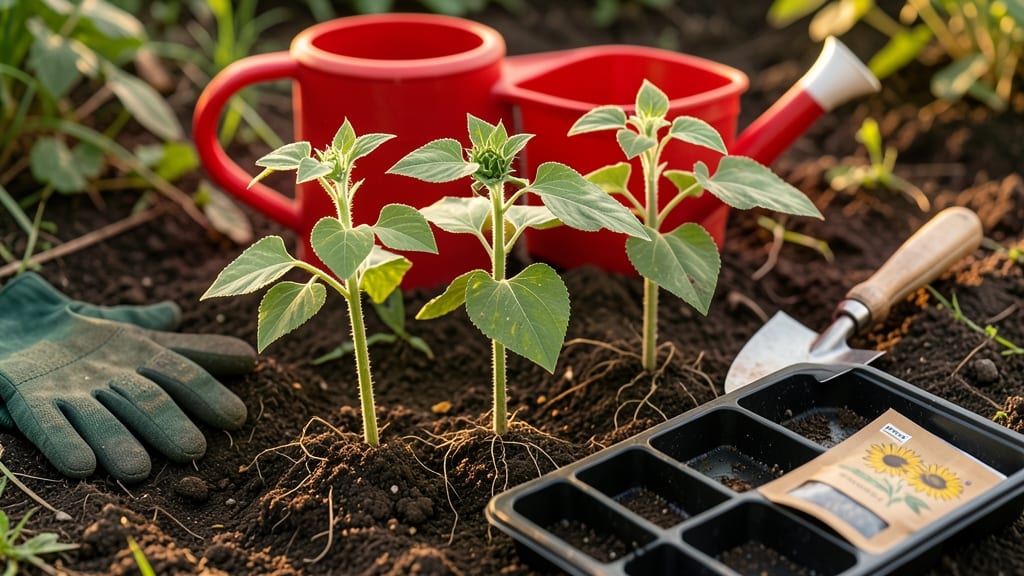
Timing when to sow sunflowers just right is the secret to watching those towering 🌻 beauties reach their full potential—without bolting too early or struggling in cold soil.
In USDA Zone 6a, where frost lingers until mid-April, getting those seeds in the ground at the perfect moment means the difference between a lush summer display and a sad, stunted plant.
Most gardeners swear by planting sunflowers after the last frost, typically in April or May, but the truth is even more nuanced.
Soil temperature plays a bigger role than you might think—ideal germination happens when the ground warms to at least 55°F, which can vary by 2-3 weeks depending on your microclimate.
Whether you're growing giant varieties like 'Mammoth' or compact types like 'Teddy Bear,' the right timing ensures stronger stems, bigger blooms, and fewer headaches.
I'll walk you through exactly when to start seeds indoors (if you're in a cooler zone) versus direct-sowing outdoors, plus how to adjust for your specific sunflower goals.
Ready to grow sunflowers that make your neighbors jealous? Let's dive into the best planting schedule for your zone—and why a few extra weeks of patience can mean the difference between a 4-foot plant and one that tops 10 feet.
Best sunflower planting months by USDA zone for maximum height
Timing your sunflower planting is everything if you want those towering giants to reach their full height potential. Sunflowers thrive in warm soil and long daylight hours, so planting too early can stunt growth while waiting too long risks bolting before full maturity.
The key lies in aligning your planting with your USDA zone, last frost dates, and soil temperature thresholds of 55-60°F for germination.
Most gardeners focus on spring planting for annual sunflowers, but late summer sowings work too—especially in warmer zones. The secret to maximum height is giving plants enough time in the ground before first frost while avoiding the heat stress of summer planting in hotter climates.
Let’s break down the optimal planting windows by zone to ensure your sunflowers grow to their impressive heights.
🌱
In USDA zones 3-4, where frost lingers late, wait until May or June to plant sunflowers. The soil must be at least 55°F for seeds to germinate properly, and cooler temperatures can delay growth.
I’ve found that starting seeds indoors in late April works well for these colder zones, then transplanting after the last frost. This gives them a head start before summer’s heat arrives.
Gardeners in zones 5-8 have the most flexibility, with ideal planting windows stretching from March to May. These zones benefit from longer growing seasons, allowing sunflowers to mature fully before frost.
For giant varieties like 'Mammoth' or 'Russian Giant', aim for early spring planting to maximize height. I’ve seen these varieties reach 12-15 feet when planted in April rather than June.
In warmer zones 9-11, sunflowers can be sown in late summer or early fall for a second crop. The key here is to plant when daytime temperatures drop below 90°F to avoid heat stress.
I’ve had great success with August sowings in zone 10, resulting in sunflowers that bloom just before winter. For these zones, focus on dwarf or semi-dwarf varieties like 'Teddy Bear' or 'Sunspot' to avoid flopping in strong winds.
One common mistake is planting sunflowers too early, which can lead to bolting—where the plant flowers prematurely and stops growing taller. To avoid this, always check your last frost date and wait until soil temperatures are consistently above 55°F.
You can use a soil thermometer to monitor this, or simply press your hand into the soil; if it feels warm to the touch, it’s ready for planting.
For maximum height, also consider spacing and sunlight. Tall varieties need at least 18-24 inches between plants to avoid competition, while dwarf types can be spaced 12 inches apart.
Place them in the sunniest spot in your garden—sunflowers need 6-8 hours of full sun daily to reach their full potential. I’ve noticed that sunflowers planted in morning sun with afternoon shade in hot climates often grow straighter and taller.
🌻
How to adjust planting time for giant vs. dwarf sunflower varieties
Not all sunflowers are created equal—and neither are their planting timelines. If you're growing giant varieties like 'Mammoth' (which can reach 12-15 feet tall), you need a different approach than for dwarf types like 'Teddy Bear' (2-4 feet). The key difference? Maturity timing and stem strength.
Giant sunflowers need longer growing seasons to develop sturdy stems capable of supporting their massive blooms. Planting them too late risks weak stems that flop over or underdeveloped flowers. Dwarf varieties, on the other hand, mature faster and can handle slightly later plantings without sacrificing height or bloom quality.
Here’s how to adjust your planting schedule based on the variety you’re growing:
- Plant giant varieties (e.g., 'Mammoth') 4-6 weeks earlier than dwarf types to ensure 120+ days to maturity before frost.
- Start dwarf varieties (e.g., 'Teddy Bear') 2-3 weeks later—they thrive with 60-70 days of growth, making them ideal for late summer plantings.
- For USDA Zones 3-5, sow giant sunflowers indoors in March (6-8 weeks before last frost) to extend the season.
- In Zones 6-11, direct-sow dwarf varieties as late as June for fall blooms—they’ll mature before winter sets in.
- Space giant sunflowers 18-24 inches apart for strong stems, while dwarfs can grow 12 inches apart in tight borders.
Another critical factor? Sunlight exposure. Giant sunflowers demand full sun (6+ hours daily) to support their towering growth, while dwarf varieties tolerate partial shade better—making them perfect for container gardens or urban balconies.
Pro tip: If you’re growing a mix of varieties, plant dwarfs in front and giants in back to avoid shading smaller plants. This layering trick maximizes both bloom visibility and space efficiency in your garden.
Remember, sunflowers are fast growers, but their final height depends entirely on timing. Get it right, and you’ll have sunflowers that reach their full potential—whether that’s a 15-foot giant or a 2-foot dwarf bursting with color. 🌻