
Planting
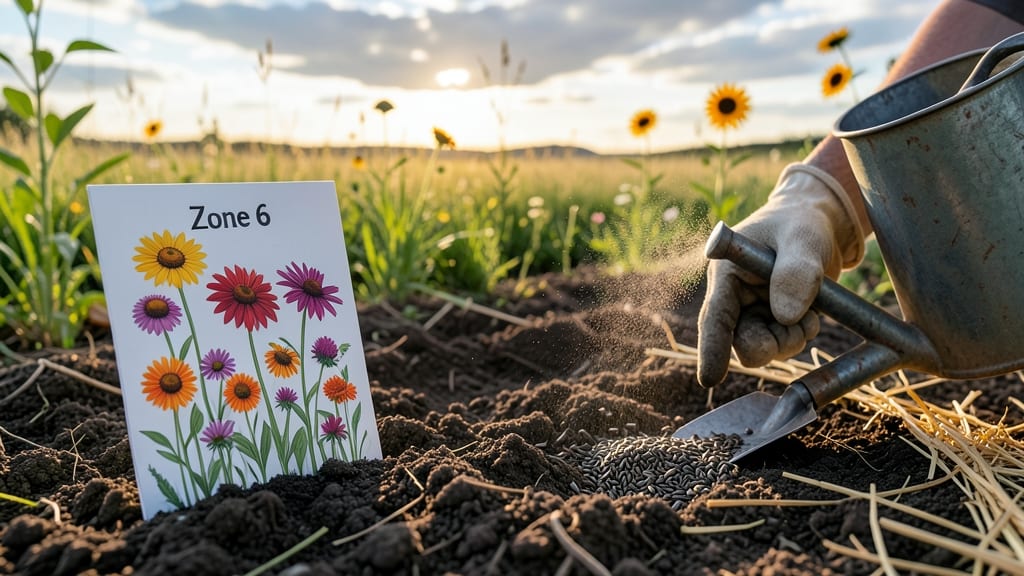
Sowing wildflower seeds in Zone 6 at the wrong time means missing out on months of vibrant blooms or battling weeds that outcompete your delicate 🌼 seedlings.
The key to a thriving meadow isn't just choosing the right seeds—it's planting them when the soil is warm enough, the rain is reliable, and the frost-free window stretches long enough for roots to take hold.
For Zone 6 gardeners, the best times to sow are narrow windows: early spring (March-April) and late summer (August-September). Planting too early risks frost damage, while sowing too late may leave your wildflowers struggling to establish before winter.
I'll break down the exact months that guarantee strong germination and continuous color from spring through fall.
You don't need a green thumb to pull this off—just a little prep work and patience.
Whether you're seeding a small garden bed or a sprawling meadow, I'll show you how to time your planting for maximum impact, including when to scratch the soil, when to water lightly, and how to protect your seeds from late frosts or summer heat.
Let's turn your landscape into a pollinator paradise with year-round blooms by mastering these simple but critical timing strategies. Your future self—and the bees—will thank you.
Optimal wildflower seed sowing times in Zone 6 by season (with bloom guarantees)
Zone 6 gardeners know timing is everything when it comes to wildflower success. Plant too early, and frost will claim your tender seedlings. Sow too late, and summer heat may stress emerging plants before they establish.
The key is matching seed mixes to monthly conditions while accounting for Zone 6's 165 frost-free days and variable rainfall patterns.
Most wildflower seeds thrive when sown either in early spring (after last frost) or late summer (6-8 weeks before first frost). This two-season approach ensures year-round color—from spring ephemerals like Virginia bluebells to late-season goldenrod that brightens fall gardens.
Let's break down the best months for each strategy and what blooms to expect.
🌱 Pro Tip: Always check your local frost dates—they can vary by 2-3 weeks within Zone 6. Use the USDA Plant Hardiness Map to confirm your specific sub-zone (6a vs. 6b) for precise timing.
For spring sowing, focus on annual wildflowers that germinate quickly in cooler soil. Mixes containing Black-eyed Susan (Rudbeckia hirta) and Coneflower (Echinacea) are ideal—they tolerate Zone 6's variable springs and provide 3-4 months of blooms.
Start seeds indoors 4-6 weeks before last frost if you're growing tender perennials like Bee Balm (Monarda).
My late-summer sowing strategy yields the most fall color in Zone 6. Seeds like Goldenrod (Solidago) and Aster (Symphyotrichum) germinate best when soil temperatures are 70-80°F—perfect for August planting.
These late bloomers extend your garden's season until first frost (mid-October), when many other plants have faded.
Don't overlook fall sowing for native perennials. Species like Prairie Dropseed (Sporobolus heterolepis) benefit from cold stratification, a natural process where seeds need winter chilling to break dormancy. Plant these in October or November—they'll reward you with early spring blooms and drought-resistant foliage all season.
Microclimate adjustments are critical in Zone 6. If your garden has hot, dry microclimates (like south-facing slopes), prioritize
5 Wildflower seed mixes that thrive in Zone 6 (and when to Plant each)
Zone 6 gardeners can transform any space into a pollinator-friendly paradise with the right wildflower mix. The key is choosing seeds that match your sunlight conditions and planting them during the ideal frost-free windows.
I’ve curated five standout mixes—each with distinct bloom seasons and care requirements—to ensure your garden stays vibrant from spring through fall.
Native prairie blends and drought-tolerant annuals are my top picks for Zone 6, as they thrive in our hot summers and cold winters. Whether you’re seeding a sunny meadow or a shady woodland edge, these mixes offer year-round color with minimal effort.
Let’s dive into the best options and their perfect planting times.
- 🌱 Early Spring Mix (March): Black-eyed Susan + Coreopsis + Yarrow – Sow after last frost for summer-long blooms (June–September). Thrives in full sun.
- 🌼 Summer Annuals (April–May): Sunflower + Zinnia + Cosmos – Fast-growing for instant color (May–October). Ideal for drought-prone areas.
- 🌿 Fall Perennials (August): Goldenrod + Aster + Joe Pye Weed – Plant in late summer for late-season blooms (September–November). Loves moist soil.
- 🌸 Winter Interest (September): Coneflower + Bee Balm + Russian Sage – Sow early fall for spring rebloom and winter seed heads. Drought-tolerant.
- 🌺 Shade-Tolerant Mix (April or September): Columbine + Bleeding Heart + Wild Ginger – Perfect for woodland gardens with partial shade (April–June blooms).
Each of these mixes is tailored to Zone 6’s climate quirks, like our hot, dry summers and freezing winters. For example, Black-eyed Susans and Coreopsis are perennial workhorses that return year after year, while Cosmos and Zinnias provide instant gratification with their fast-growing annual blooms.
When selecting a mix, prioritize native species like Goldenrod or Aster—they require less water and support local pollinators far better than non-native alternatives. For shady spots, Columbine and Bleeding Heart are my go-tos, as they tolerate partial shade and moist soil without fuss.
Pro tip: Always prepare your soil before sowing by removing weeds and lightly raking the surface. Lightly press seeds into the soil (they need light to germinate) and water gently to avoid washing them away.
With the right mix and timing, your Zone 6 garden will burst into color from spring to frost.
Ready to get started? Grab your seeds, mark your calendar for March or August, and watch your wildflower dreams take root—literally! The bees, butterflies, and birds will thank you for it. 🌻